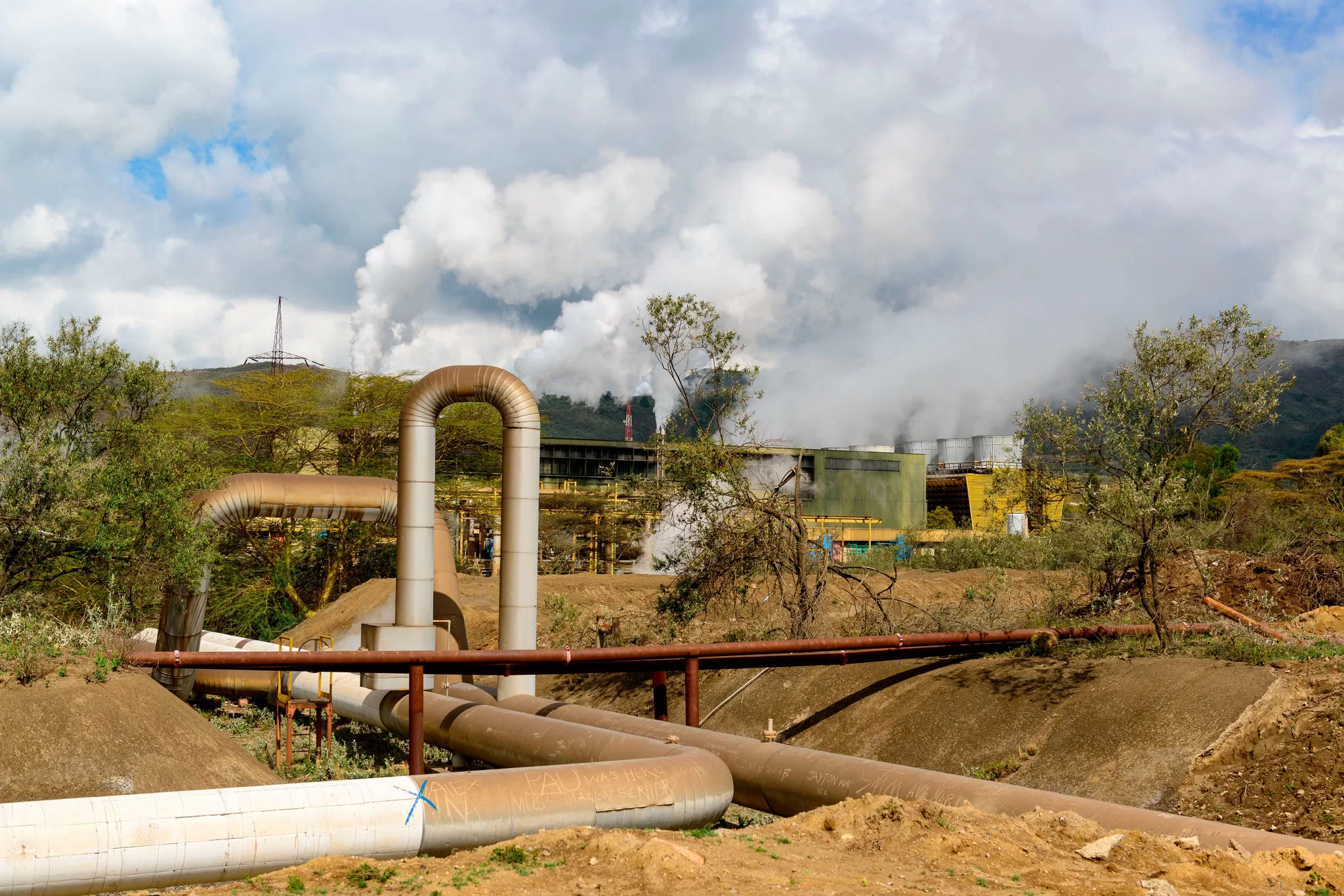
The Kenya Hell’s Gate geothermal expansion project is in an active drilling and infrastructure mobilization phase, with preparatory works and rig scheduling underway across designated well sites. Moreover, KenGen has intensified resource allocation for drilling operations, including equipment deployment and site readiness improvements. Consequently, early-stage activities are progressing in line with national geothermal expansion targets.
In addition, the project benefits from Kenya’s established geothermal ecosystem in Olkaria, which provides operational synergy with existing power plants and steam fields. Therefore, integration with current infrastructure enhances efficiency and reduces development risks.
Meanwhile, grid expansion planning continues to ensure future capacity can be transmitted effectively once new wells are completed. As a result, coordination between generation and transmission planning remains a critical success factor.
Strategic integration with Olkaria geothermal ecosystem and industrial demand
The Hell’s Gate geothermal expansion project is directly linked to the broader Olkaria geothermal system, which remains the backbone of Kenya’s renewable baseload power supply.
Furthermore, new geothermal capacity supports emerging industrial developments such as the KenGen Green Energy Park, which relies on stable steam and electricity supply for industrial tenants and manufacturing ecosystems.
In addition, upcoming projects like the $250 million Olkaria VII geothermal power initiative are expected to further reinforce geothermal output, although current donor funding disputes have temporarily slowed procurement activities. Therefore, the combined expansion of generation and industrial infrastructure continues to define Kenya’s long-term geothermal development strategy.
Challenges Expected in Implementing KenGen’s Hell’s Gate Project
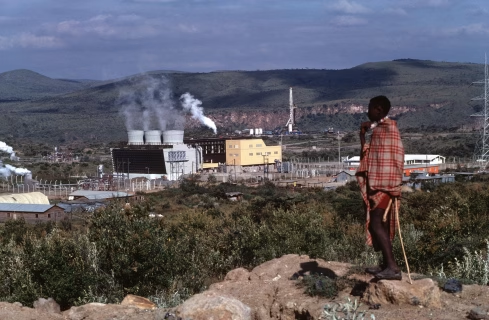
One of the significant challenges that the Hell’s Gate project is expected to deal with is the environmental impact. The project’s location within Hell’s Gate National Park raises concerns about potential environmental impacts. However, the EIA report outlines various measures to mitigate these concerns. These includes waste management and biodiversity protection. Geothermal development can disrupt natural habitats and migratory routes of wildlife, particularly in the Rift Valley. The region is home to many endangered species and world-renowned wildlife parks, hence the concerns. Nema is inviting public comments on the EIA report for the next 30 days. “The proponent, Kenya Electricity Generating Company PLC (KenGen), proposes to drill 42 geothermal wells at Olkaria Geothermal. This will comprise production, monitoring and re-injection wells,” says Nema. “The wells will be drilled using three rigs owned by KenGen for an approximate period of five years,” they added.
Also read:
Kenya Inks Over $4 Billion Deals to Boost the Kenya Geothermal Sector Infrastructure
Scope of the Project
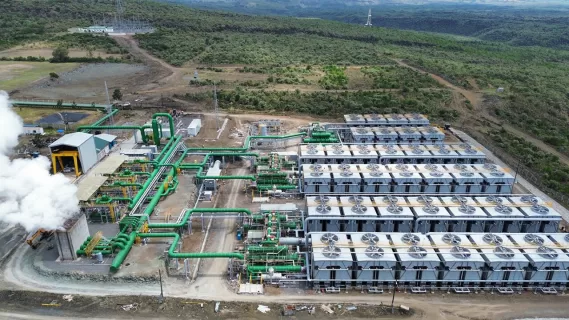
The scope of the Hell’s Gate project covers the construction of well pads and cellars where drilling will take place. It also entails new roads that will interconnect the well pads and laying water supply lines from existing water storage tanks to respective well pads. The project also includes rig moves, rig rigging-up, and installation of associated auxiliaries. The proposed project site is located within Hell’s Gate National Park, Naivasha Sub-County, Nakuru County. The transparency by Nema is intended to address community concerns. Furthermore, it seeks to ensure the project adheres to environmental regulations. Kenya has set ambitious targets for renewable energy generation, aiming to achieve 100 percent clean energy by 2030. The cost to drill one well in the Hell’s Gate area is approximately $5 million (Sh600 million), with an average potential output of five megawatts (MW). Moreover, it typically requires 20-30 wells for a 140MW power plant.
Also Read:
KenGen’s Energy Play: A US$4.2B Gamble on Geothermal energy in Kenya
Ksh6.71 Billion Loan Acquired to Fund Kenya Geothermal Power Plants Upgrade
Project Fact Sheet
Project Name: Kenya Hell’s Gate Geothermal Expansion Project
Location: Hell’s Gate National Park, Olkaria, Naivasha, Nakuru County, Kenya
Developer: Kenya Electricity Generating Company (KenGen)
Project Type: Geothermal resource expansion (drilling programme)
Scale: 42 geothermal wells
Estimated Output: ~200MW additional capacity
Scope of Works
- Drilling of 42 geothermal production wells
- Construction of well pads and access roads
- Steam gathering and reinjection systems
- Pipeline and field infrastructure works
- Environmental mitigation and conservation systems
Strategic Objectives
- Increase geothermal baseload capacity
- Strengthen national grid reliability
- Support industrial and economic growth
- Expand Kenya’s renewable energy share
Current Status (2026)
- Drilling preparation ongoing
- Rig mobilisation in progress
- Infrastructure works underway
- Phased execution across Olkaria field
Project Team
Project Developer: Kenya Electricity Generating Company (KenGen)
Executive Leadership:
- Managing Director & CEO – KenGen
- Geothermal Resource Development Division
Engineering & Field Operations:
- KenGen Drilling and Well Services Teams
- Olkaria Geothermal Field Operations Unit
Government Stakeholders:
- Ministry of Energy, Kenya
- National Treasury
Regulatory Authorities:
- Energy and Petroleum Regulatory Authority (EPRA)
- National Environment Management Authority (NEMA)
- Kenya Wildlife Service (KWS)



Leave a Reply