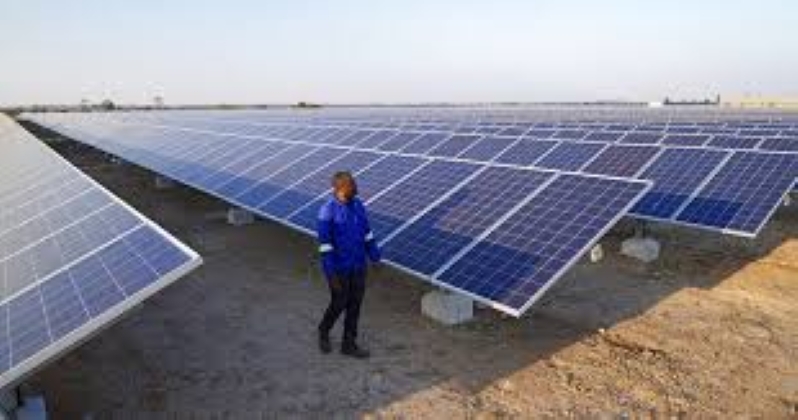
Nigeria thorough Niger State government is partnering with the Islamic Development Bank (IsDB) to develop a $163 million solar project aimed at boosting electricity supply and supporting agricultural and industrial development across the north-central region of the country. Under the partnership, the 100 megawatt (MW) solar power project will be developed on roughly 200 hectares of land. Geographically, this naturally leverages the state’s abundant sunlight to deliver cleaner, more reliable power to multiple communities and strengthen long-term economic activity in the region.
Project Details
Capacity and scope: The project plans for a 100 MW solar photovoltaic (PV) power plant to be constructed on about 200 hectares of land in Nigeria’s north-central region.
Financing: Backed by a $163 million partnership with the Islamic Development Bank. This is expected to cater for preparatory activities including technical, environmental, and social assessments for the project.
Objectives: Beyond increasing overall electricity supply, the solar project is also seen as a complement to state investments in agriculture and agro-processing. This is by providing reliable and renewable power for irrigation, food production and industrial use.
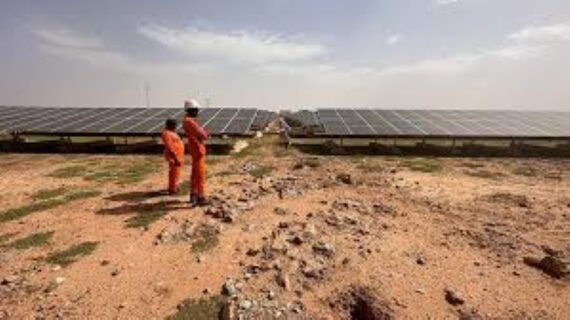
Project Status: Officials have indicated that the partnership marks the beginning of the bank’s preparation phase. Full project financing and construction schedules is dependent on assessments and approvals. Additionally, no date for commercial operation has yet been announced.
A Look into Nigeria-Islamic Development Bank Partnership for Niger Solar Project
Nigeria has persistently faced electricity access challenges in the past. Central to this is grid instability and insufficient generation capacity that hampers socio-economic growth in many states. Renewable energy, especially solar, has become an area of focus for both federal and state governments seeking to diversify energy sources. This is also as seen with the move to build the 1 GW Solarge solar panel manufacturing facility. What the turn toward clean energy does is improve reliability on power supply and reduce dependence on costly fossil-fuel generators.
Niger State’s collaboration with the IsDB also builds on broader efforts to attract international financiers. This also strengthens the technical expertise needed to bridge infrastructure gaps alongside unlocking private and public sector development benefits.
Leave a Reply