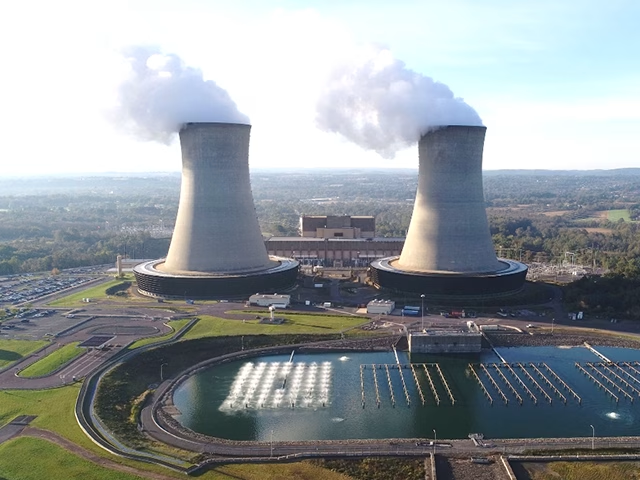
One of the biggest upgrades of its kind in an operational nuclear facility in the United States has been approved by the U.S. Nuclear Regulatory Commission for a “$167 million digital modernization” of the Constellation-owned Limerick Clean Energy Center in Pennsylvania.
With this approval, Constellation will replace certain areas of Limerick’s analog instrumentation and control systems with digital platforms for several significant safety protection functions. This is set to be done in several phases when refueling outages occur. The approval was given as an amendment to its license.
It represents the first major use of such an electronic safety system at an operational nuclear facility in the U.S., and it is funded through the U.S. Department of Energy’s Light Water Reactor Sustainability Program, whose aim is to extend the life and performance of the nation’s existing reactors.
First-of-its-kind safety upgrade
Constellation expects this upgrade will enhance diagnostic and monitoring capabilities of the equipment and bolster cybersecurity. The Limerick facility produces a combined 2,317 megawatts of power, supplying clean electricity to more than 1.7 million households in the Philadelphia area.
Part of broader $5.1B investment
This upgrade is a part of an overall investment program of $5.1 billion that Constellation is pursuing in Pennsylvania itself to protect about 5,100 megawatts of existing capacity and further add 1,200 megawatts. This project is being undertaken due to rising demands for reliability from the growing use of data centers and other power-intensive sectors.
The installation of the new digital systems will occur during the refueling outages, which will be when the facility is offline and maintenance is performed. It is estimated that the project will bring a few thousand highly skilled workers to the area during the refueling outages.
Operated along the Schuylkill River, approximately 35 miles northwest of Philadelphia, the Limerick facility is considered one of the country’s largest power producers. Government regulators have, however, begun citing upgrades at facilities like the Limerick as essential for ensuring the continued feasibility of the current nuclear-powered electric generation mix within the US.
The Limerick digital modernization project forms part of a broader wave of investments that aim to revive the U.S. nuclear energy sector. Utilities across the country upgrade existing reactors and build new ones while adopting advanced technologies to extend plant lifespans, improve reliability, and meet growing demand for carbon-free electricity, driven in part by the surge in energy needs from data centers and other power-intensive industries.
Limerick Clean Energy Center Digital Modernization Project Factsheet
Project Overview
Owner/Operator: Constellation
Total Investment: $167 million
Regulatory Status: NRC License Amendment Request approved (January 6, 2026)
Project Significance: First large-scale demonstration of digital safety system upgrade at an operating U.S. nuclear plant
Facility Information
Location: Montgomery County, Pennsylvania (approximately 35 miles northwest of Philadelphia)
Site: Along the Schuylkill River
Capacity: 2,317 megawatts from two nuclear units
Service Area: Powers more than 1.7 million homes
Energy Type: Carbon-free, around-the-clock baseload electricity
Project Scope and Objectives
The Digital Modernization Project represents a comprehensive upgrade of major control and protection systems, replacing select analog instrumentation and control equipment with state-of-the-art digital platforms.
Primary Objectives:
Enhanced reliability and operational performance
Improved diagnostic capability and equipment monitoring
Strengthened cyber resilience
Broader range of automation capabilities
Additional operational flexibility
Limerick Clean Energy Center Modernization: Strategic Context
Pennsylvania Investment Program:
This project is part of Constellation’s broader $5.1 billion investment across Pennsylvania to:
Preserve nearly 5,100 MWs of existing nuclear generation
Add 1,200 MWs of new capacity
Stabilize energy prices during a critical period
Support growing demand from data-driven industries
Regional Impact:
The modernization supports Pennsylvania’s clean energy goals while providing reliable baseload power for homes, businesses, and emerging data center infrastructure creating regional jobs.
Implementation Approach
Phased Installation Strategy:
Carefully managed implementation to ensure safety and operational continuity
Physical installation during scheduled refueling outages
Thousands of additional skilled craft workers during outage periods
Economic boost to local communities through increased lodging, dining, and service spending
Technology and Innovation
Digital Platform Features:
Advanced equipment monitoring systems
Enhanced automation capabilities
Improved diagnostic tools
Modern cyber security protections
Greater operational flexibility
Leave a Reply