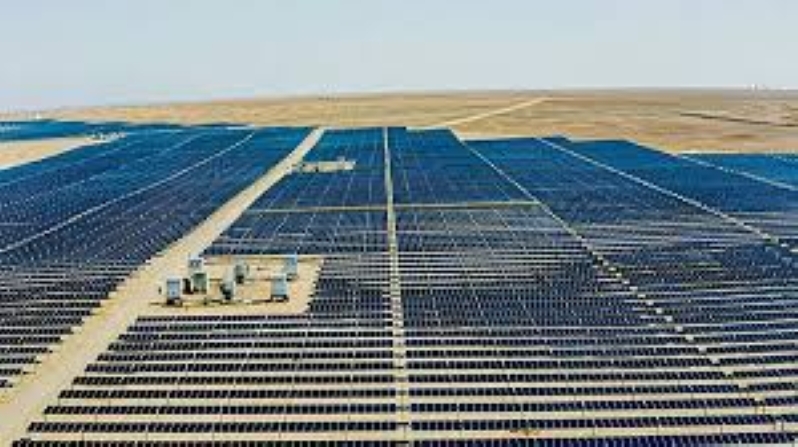
NTPC Renewable Energy Ltd has begun commercial power supply of 165 MW from its Khavda-II solar park project in Gujarat, India. The commissioning forms part of NTPC’s broader renewable rollout and continues to contributes to the company’s national clean-energy capacity growth strategy alongside other installments like the 20 GW project in Madhya Pradesh.
Project Overview
Project: Khavda-II Solar PV Project
Location: Khavda Renewable Energy Park, Gujarat, India
Capacity of commissioned phase: 165 MW
Developer: NTPC Limited’s renewable arm
Importance: Part of India’s largest renewable energy park initiative
Khavda is being developed as one of the world’s largest renewable energy complexes, intended to host multi-GW solar and wind capacity across phases.
Financing for NTPC Khavda Solar Project in Gujarat, India
While no specific lenders have been mentioned for the recent development at the 165 MW phase in Khavda 2 solar project by NTPC, the developer’s renewable arm (NTPC Green Energy Ltd) continues to act as the umbrella vehicle for clean energy projects alongside supporting funding and execution of the renewable assets.
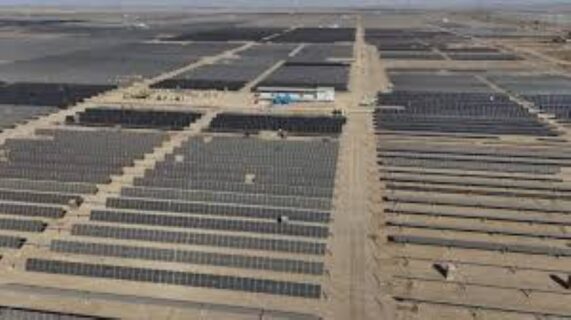
Additionally, NTPC as part of its capital-raises through loans and bonds for renewable projects, the company recently issued RFPs for term loans up to ₹1,000 crore and USD 500 million facilities for corporate financing.
Project Team and Stakeholders Backing NTPC Khavda 2 Solar Park in India
Owner and Developer: NTPC Renewable Energy Ltd
Parent Utility: NTPC Limited
Renewable Arm: NTPC Green Energy Ltd
Government Oversight: Government of India, who is also the majority owner of NTPC
Outlook on NTPC Khavda 2 Solar Project
By bringing capacity online in modular tranches rather than waiting for full-park completion, NTPC is not only aiming for grid contribution but also to improve cash flow timing. All this is while continuing construction of later phases.
As additional blocks at Khavda reach COD, government-backed NTPC is also positioned to scale renewable generation rapidly. This continues to reinforce its target of becoming a dominant clean-energy producer in Asia.
Additionally, the site’s ultra-large land parcel and grid infrastructure makes it suitable for possible hybrid solar-wind-storage configurations in future phases.
Leave a Reply