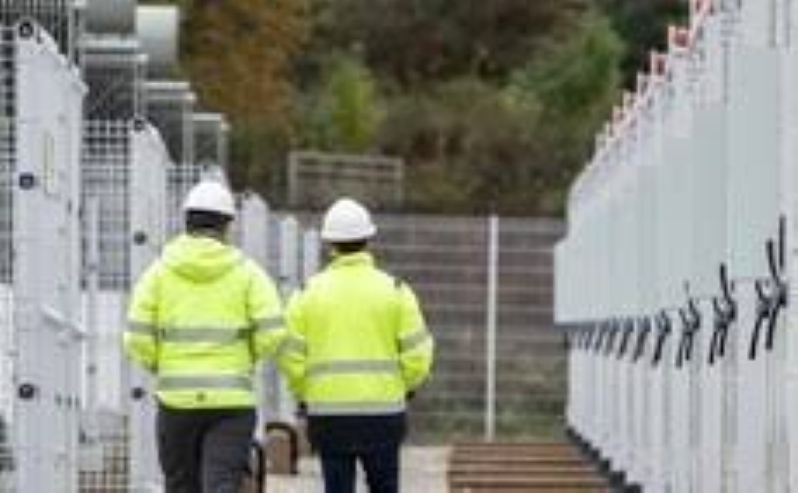
Britain’s energy regulator Ofgem has selected 16 long-duration energy storage (LDES) projects to move into the next stage of its flagship cap-and-floor support mechanism. The projects, announced on June 26, 2026, represent a major milestone in developing infrastructure capable of storing renewable electricity for eight hours or longer. This is aimed at stabilizing the grid as the country accelerates toward a low-carbon electricity system.
The 16 long duration energy storage selected by Ofgem
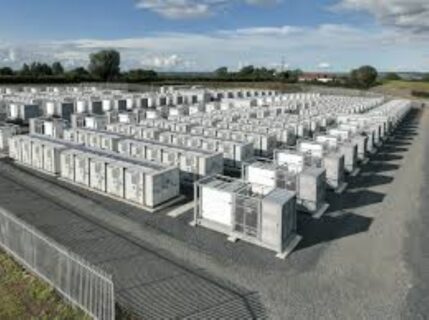
The 16 shortlisted projects are distributed across England, Scotland and Wales. They include a diverse mix of technologies. It comprises of pumped storage hydropower, compressed air energy storage (CAES), lithium-ion battery systems and vanadium redox flow batteries.
They include:
- 22-hour, 660 MW Loch Kemp Pumped Storage Hydro – North Scotland
- 32-hour, 1440 MW Coire Glas Pumped Storage Hydro – North Scotland
- 30-hour, 50 MW TeesCAES – North East England
- 15-hour, 1800 MW Earba Pumped Storage Hydro – North Scotland
- 16-hour, 400 MW Field Netherton Li-ion BESS – North Scotland
- 18-hour, 400 MW Field New Deer Li-ion BESS – North Scotland
- 18-hour, 200 MW Field Rigifa Li-ion BESS – North Scotland
- 16-hour, 200 MW Field Fyrish Li-ion BESS – North Scotland
- 16-hour, 400 MW Field Long Stratton Li-ion BESS – East England
- 12-hour, 500 MW East Claydon Li-ion BESS – East England
- 8-hour, 145 MW Ocker Hill Li-ion BESS – West Midlands
- 8-hour, 500 MW Sundon Storage Li-ion BESS – East England
- 7-hour, 385 MW Drakelow (Innova) Li-ion BESS – West Midlands
- 8-hour, 65 MW Frontier Legacy VFB/Zn (Vanadium redox flow) – North Wales
- 11-hour, 400 MW Springwell Li-ion BESS – East Midlands
- 11-hour, 100 MW Thornton BESS 2 Li-ion BESS -East Midlands
Collectively, the projects are expected to provide approximately 7.6 GW of long-duration storage capacity once completed.
The projects are also expected to improve electricity system resilience and reduce network congestion. This is while allowing for lower balancing costs and minimize curtailment of renewable generation, ultimately reducing long-term costs for consumers.
First new pumped-storage hydropower projects in Great Britain in over forty years
The three pumped storage hydropower schemes in Scotland include:
- Coire Glas Pumped Storage Hydro (SSE)
- Loch Kemp Pumped Storage Hydro (Statera Energy)
- Earba Pumped Storage Hydro (Gilkes Energy)
These will be the first new pumped-storage hydropower developments in Great Britain for more than four decades, following the commissioning of the Dinorwig plant in Wales in 1984.
Why are the Ofgem long-duration energy storage projects important
The rapid expansion of wind and solar generation has increased the need for storage technologies capable of supplying electricity during prolonged periods of low renewable output. Unlike conventional battery systems designed for short-duration balancing, LDES technologies can discharge electricity continuously for eight hours or more.
Ofgem estimates that developing a diverse LDES portfolio will alleviate pressure on transmission and distribution networks while reducing the need for expensive network reinforcement and constraint payments.
The projects will also improve security of supply during periods of extreme weather or prolonged low wind conditions. This will in turn support the government’s ambition to decarbonize Britain’s electricity system by 2030 – helped by other projects such as Kilmarnock South BESS which is the UK’s second battery installation capable of delivering stability services using grid-forming inverter technology.
Cap-and-floor investment model
The projects are progressing under Britain’s innovative cap-and-floor regulatory framework. Cap-and-floor was specifically introduced to encourage investment in long-duration storage infrastructure.
Under the mechanism:
- developers receive a guaranteed minimum revenue (floor), improving project bankability
- revenues above an agreed maximum (cap) are returned to consumers
Cap-and-floor effectively seeks to protect customers from excessive returns while reduce financing costs.
The scheme mirrors the successful regulatory model previously used for electricity interconnector projects. It also intends to make available billions of pounds of private investment in strategic energy infrastructure.
Next steps for the long duration energy storage (LDES) projects selected by Ofgem
The regulator has issued “minded-to” decisions rather than final approvals.
Ofgem will now undertake stakeholder consultation before confirming the final portfolio later in 2026. During this period, project economics, consumer value and technical assessments will continue to be evaluated before cap-and-floor contracts are formally awarded.
Industry outlook
The announcement comes as Britain experiences increasing pressure on its electricity network. This is attributed to the growing renewable generation, electrification and rising demand from sectors including AI data centers.
Recent heatwaves have also highlighted the need for greater system flexibility after the electricity system operator issued emergency notices requesting additional generation. Long-duration storage is increasingly viewed as one of the most cost-effective solutions for maintaining grid reliability. Another up-side to the uptake of long-duration storage projects is the reduced dependence on fossil fuels imports.
The latest Ofgem selection is practically one of the UK’s most significant investments in grid flexibility since the expansion of offshore wind.
Ofgem long duration energy storage (LDES) projects: Fact Sheet
Locations: England, Scotland and Wales
Regulator: Ofgem
Support Mechanism: Cap-and-floor regulatory scheme
LDES Projects Selected: 16
Storage Technologies:
- Pumped storage hydropower
- Compressed air energy storage (CAES)
- Lithium-ion battery storage
- Vanadium redox flow batteries
Minimum Storage Duration: 8 hours
Estimated Combined Capacity: Approximately 7.6 GW
Current Status: Minded-to decisions announced; stakeholder consultation underway
Final Awards Expected: Later in 2026
Involved in the Program:
- Ofgem
- UK Department for Energy Security and Net Zero (DESNZ)
- National Energy System Operator (NESO)
- SSE
- Statera Energy
- Gilkes Energy
- Storelectric
- Frontier Power UK


Leave a Reply