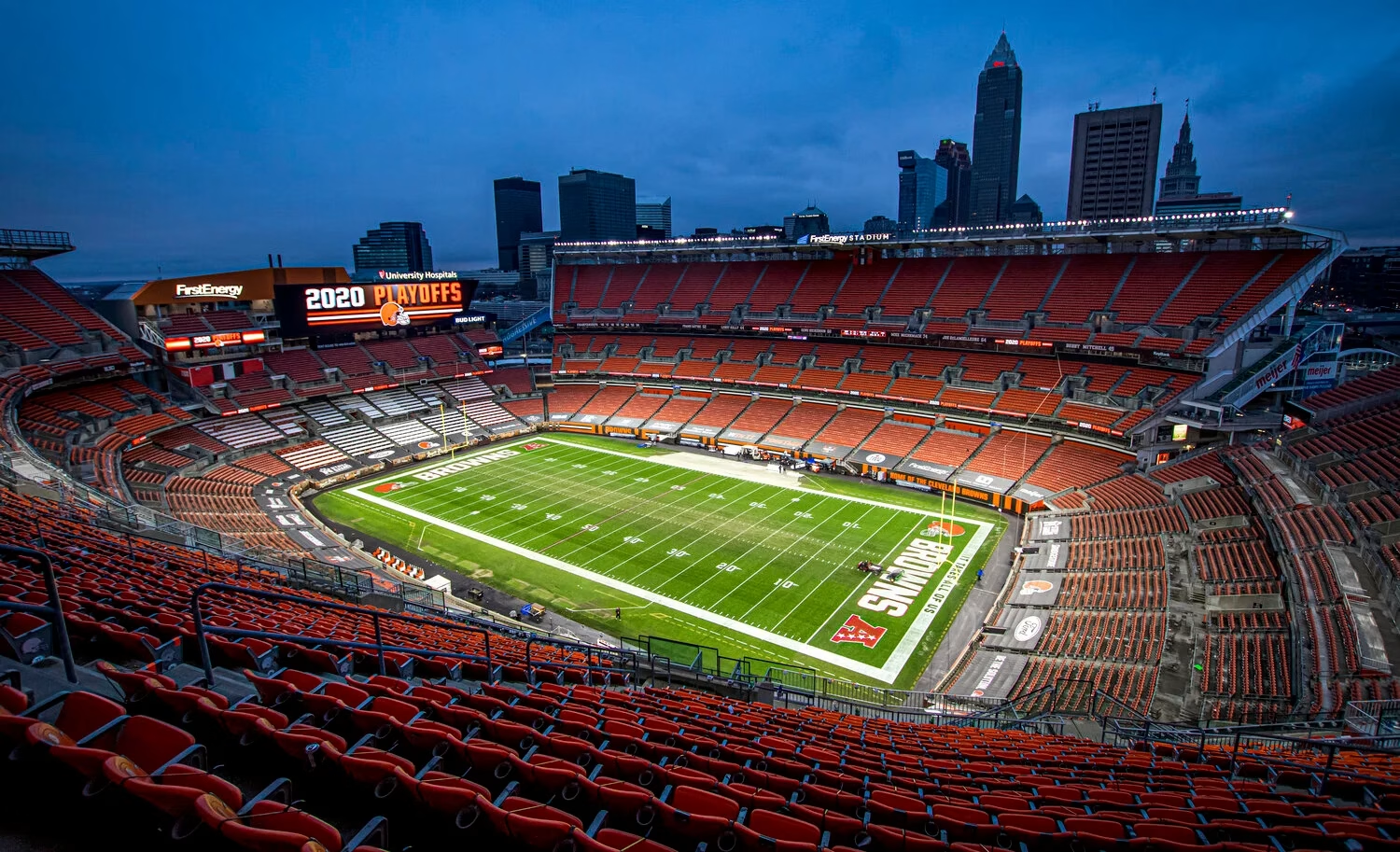
Updated November 21st 2025: The Brook Park Stadium Project is a $2.4 billion domed multi-use sports and entertainment complex being developed in Brook Park, Ohio, near Cleveland Hopkins International Airport. The Cleveland Browns, through the Haslam Sports Group, are investing heavily in the project, which includes a 67,500-seat enclosed “Huntington Bank Field.” A historic $100 million settlement between Browns ownership and Cleveland paves the way for construction to begin in early 2026, with the current downtown stadium to be demolished. Regulators worked with FAA consultants to ensure the stadium’s height poses no aviation risk.
Published September 19th 2025: Brook Park, Ohio — Ohio Department of Transportation (ODOT) has granted a permit for the Cleveland Browns’ new $2.4 billion stadium in Brook Park, near Cleveland Hopkins International Airport. Regulators approved plans for the domed facility after assurances that its structure will not disrupt flight paths.
Permit Rejected, Then Revived
ODOT initially denied the permit due to concerns that the stadium’s height would interfere with airport operations. After a third-party consultant confirmed the stadium poses no risk, regulators reversed their decision. The new design will include FAA-required lighting and markings to ensure safety.
Design Highlights and Location
The stadium site lies on a former Ford Motor Company plant. The structure will sit 80 feet below ground level and ascend 221 feet above ground, giving an overall profile that balances visibility and height restrictions. Plans for the Chicago Bears’ $5 billion domed stadium and mixed-use development in Arlington Heights confirm it will be fully domed to allow all-weather events and protect fans from seasonal extremes.
Project Factsheet – Cleveland Browns Stadium Brook Park
Project Owner Cleveland Browns / Haslam Sports Group
Location Brook Park, Ohio; near Cleveland Hopkins International Airport
Estimated Cost $2.4 billion
Stadium Type Domed, multi-use stadium
Design Profile 80 ft below ground, 221 ft above ground
Funding $1.2 billion from Browns; $600 million from state; rest in negotiation
Lease Expiry of Old Venue 2029
Opening Year 2029
Key Features All seasons events, domed roof, compliance with FAA, lighting & markings
Community Impact Jobs, infrastructure upgrades, local economy boost

Funding & Lease Timeline
The Browns are contributing $1.2 billion toward construction. Ohio state has pledged $600 million. Talks continue with Brook Park officials to secure the rest. The Browns’ current lease downtown expires in 2029. They plan to start using the new stadium that same year.
Regulatory & Community Implications
Granting the permit required collaboration among ODOT, the FAA, and local authorities. Community feedback included concerns about parking, traffic, and environmental impact. Developers responded with traffic-mitigation plans and landscaping buffers. Brook Park must now integrate zoning, infrastructure upgrades, and services for large event flows. Jobs will be created during construction and in ongoing operations, ushering economic benefits to the suburbs.
This stadium represents more than a new sports venue. First, it’s a statement about Cleveland’s long-term investment in sports, local identity, and infrastructure. Second, the construction reflects a trend toward advanced, multi-use domed arenas to host concerts, conventions, and year-round events, much like the recently topped-out $2.1 billion Nissan Stadium in Nashville. Third, approval after previous rejection underscores the importance of regulatory certainty and stakeholder collaboration. Finally, beginning construction in 2026 and opening in 2029 symbolizes a transition from planning to impact.
Leave a Reply