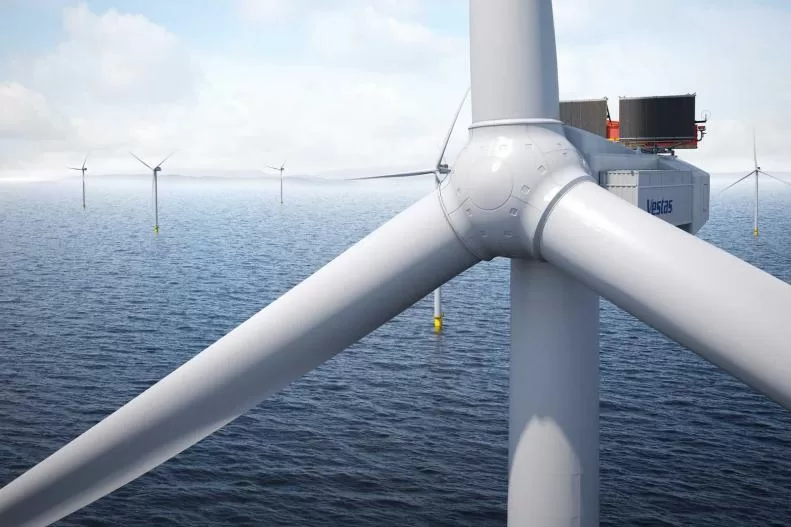
The Hornsea 4 offshore wind project was a planned large-scale renewable energy development in the United Kingdom intended to expand offshore wind generation capacity.
Ørsted had planned to develop the 2,400 MW Hornsea 4 offshore wind farm as part of its offshore wind portfolio. The project was expected to be among the largest offshore wind developments globally and had been awarded a Contract for Difference in the UK government’s Allocation Round 6 in September 2024.
In May, the developer confirmed that the project would not proceed. According to the company, the decision followed a reassessment of commercial and execution conditions, including changes in macroeconomic factors such as higher supply chain costs, increased interest rates, and elevated development risk.
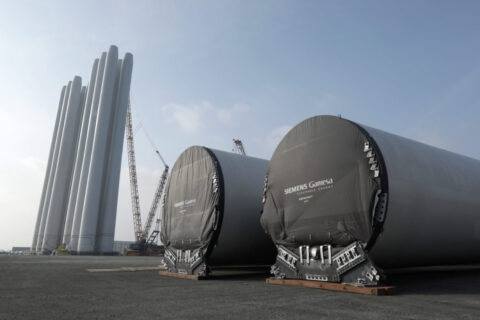
However, recent updates show that Ørsted has revived the stalled 2.4 GW Hornsea 4 offshore wind project in the North Sea. After pausing the development in 2025 due to supply chain and inflation pressures, the developer secured capital to move the project back into active development. Other major wind power projects advancing in the UK include the The £3bn Sofia windfarm by RWE. Cadeler has completed installation of SG 14-222 wind turbines. All 100 Siemens Gamesa wind turbines at RWE’s 1.4GW Sofia offshore wind farm in the UK North Sea are up. The SG 14-222 turbine models have a height of 252m, with blades measuring 108m and a rotor diameter of 222m. According to Cadeler, it transported and installed all turbine components across the site.
What’s Behind the Decision?
Ørsted, a key developer of the Hornsea Wind Farms in the North Sea, had been working intensively to de-risk the Hornsea 4 project. Despite its efforts, the economics no longer stacked up. The company was forced to terminate all related supply chain contracts and halt any further capital deployment into the project – a move that reflects a strict value-based investment strategy.
Rasmus Errboe, Ørsted’s Group President and CEO, emphasized that the firm remains committed to the UK’s offshore wind ambitions, but the capital allocation must align with shareholder value. “The adverse macroeconomic developments, continued supply chain challenges, and increased execution, market and operational risks have eroded the value creation,” Errboe said.
Financial Impact
Ørsted expects to take a financial hit of DKK 3.5 to 4.5 billion in 2025 as a result of this decision. This includes:
- EBITDA impact of DKK 3.0–3.5 billion (mainly due to asset write-downs and contract cancellation fees)
- Write-down of capitalised construction costs between DKK 0.5–1.0 billion
- However, its full-year EBITDA and investment guidance for 2025 remains unchanged
For the construction sector, these figures illustrate the scale of financial exposure even during pre-construction phases – especially in megaprojects like Hornsea 4 offshore wind project.
Implications for the Construction Industry
The cancellation underscores an uncomfortable truth: even shovel-ready green infrastructure projects are not immune to global economic pressures. Contractors, suppliers, and engineering firms tied to offshore wind development are increasingly vulnerable to policy shifts, delayed timelines, and macroeconomic instability.
For construction professionals, several key takeaways emerge:
- Risk-sharing contracts may become more common in large-scale energy infrastructure as developers seek to distribute financial and operational risk
- Supply chain volatility, especially for specialized materials and marine infrastructure components, needs to be factored more aggressively into project forecasts
- Early-stage engagement in such projects may not always guarantee a construction phase
What’s Next for Hornsea 4 Offshore Wind Project?
While this chapter of Hornsea 4 has ended, the story is not over. Ørsted has confirmed it will retain:
- The seabed rights
- The grid connection agreement, and
- The Development Consent Order (DCO)
This means the site could be re-tendered or redeveloped in the future under a more favorable economic or policy environment.
For UK energy planners, it’s a wake-up call. Meeting net-zero goals will require more than just ambition. Resilient, well-supported procurement and financing frameworks that can adapt to global inflationary cycles also prove essential.


Leave a Reply