
PowerCo’s Gigafactory Project is a battery cell manufacturing development being implemented in St. Thomas, Ontario, Canada. The project involves an investment of approximately US$7 billion in a large-scale production facility owned by Volkswagen subsidiary PowerCo SE. The gigafactory is planned to have an annual production capacity of up to 90 gigawatt-hours (GWh) at full scale. Construction activities already began with groundworks in progress and major contractors mobilized on site. The facility is scheduled to begin production in 2027.
Infrastructure upgrades in the surrounding region are also being carried out in parallel to support the development. Investments are being made in local utilities, road networks, and logistics infrastructure ahead of the main construction phase. Site preparation works have also commenced, and the project timeline identifies 2027 as the target for the start of manufacturing operations.

Stakeholders, Contractors Behind PowerCo’s St. Thomas Gigafactory in Ontario
PowerCo Canada Inc. – Developer and operator of the St. Thomas EV battery gigafactory project. The project is also PowerCo’s first overseas battery cell plant and the largest battery cell factory in Canada.
PowerCo SE – Parent global battery technology and manufacturing company based in Germany. The company is leading strategy and technical development for the gigafactory.
City of St. Thomas, Province of Ontario – Government and municipal stakeholders supporting permitting, workforce development, and community partnerships in the St. Thomas region.
Magil Construction Canada Inc. – Canadian construction partner executing foundation and structural civil works at the St. Thomas site (contract awarded by PowerCo).
Steelcon Group of Companies – Structural steel provider contracted for major project works.
Other Battery Projects in the Ontario Region
Clean energy in Ontario is also being embraced as projects other than PowerCo’s Ontario Gigafactory continue to get commissioned or take shape toward the same. This is after the largest operating battery energy storage facility in Canada was recently commissioned near Hagersville. PowerBank’s SFF-06 BESS Project in the Township of Cramahe also has its commissioning date set to early this year.
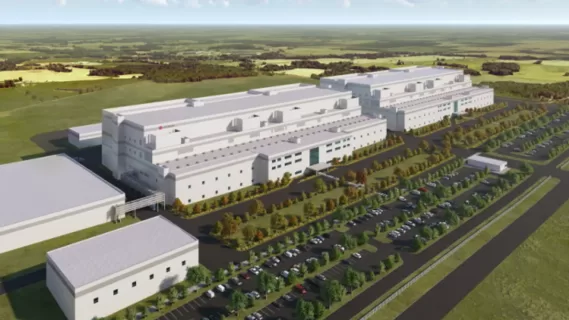
Project Factsheet for PowerCo’s Ontario Gigafactory
Location: St. Thomas, Ontario, Canada
Investment: Up to €4.8 billion (approx. CAD $7 billion) by 2030
Annual capacity (final expansion phase): Up to 90 GWh
Job creation: Up to 3,000 direct jobs and tens of thousands of indirect jobs
Production start: Targeted 2027

Significance of PowerCo’s Ontario Gigafactory
PowerCo’s Ontario gigafactory marks a major pivot because the company shifts from vehicle assembly to full-spectrum battery cell production and recycling. By selecting a Canadian site, it taps clean energy, proximity to raw materials and tariff avoidance, aligning with wider investments such as Vianode’s plan to build North America’s first large-scale clean-graphite factory in Ontario. Moreover, the local economy stands to benefit through job creation, supplier spin-offs and increased regional industrial activity. This builds local capabilities and strengthens the ecosystem for electric-vehicle manufacturing.
Beyond those direct effects, the plant also adds substantial value for the construction and infrastructure sectors. Its scale means high demand for heavy-civil works, structural steel fabrication, advanced utilities and sustainable building systems. Moreover, as seen in NextStar Energy’s completion of its US$5 billion EV battery plant strengthening the North American supply chain , such large-scale initiatives showcase how industrial projects can transform regional construction capabilities. PowerCo’s Ontario gigafactory is also using a standardized design that is being adopted globally by Volkswagen. This means lessons learned here will ripple across future megaprojects. These lessons will also improve cost-efficiency and risk-mitigation.
Leave a Reply