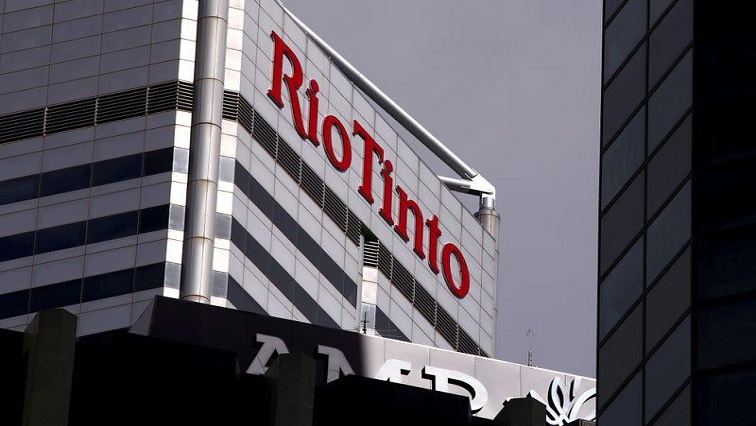
Rio Tinto to restart $473 million South African mineral sands project. This signals a renewed commitment to mine heavy mineral sands in KwaZulu-Natal, South Africa, extending life and output at Richards Bay Minerals (RBM) while supporting jobs, exports and local communities. With the restart approved after years of delay, the $473 million (about R8.5 billion) investment will underpin the production of zircon, rutile, ilmenite and titanium dioxide used in paints, sunscreens and electronics.
Why Rio Tinto Is Rebooting the Zulti South Project
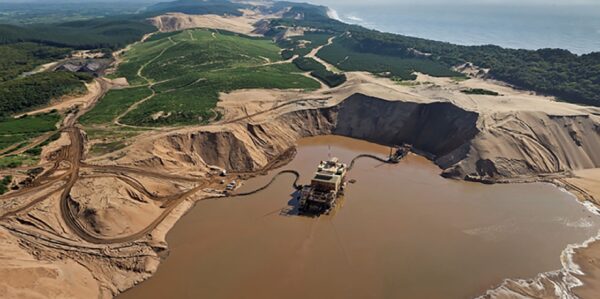
Rio Tinto’s Richards Bay Minerals subsidiary will proceed with the Zulti South project because ore at the existing Zulti North lease is declining. Therefore, the restart aims to sustain operations and secure new mineral supplies through the middle of the century. Moreover, foreign investment and local development hinge on this project’s success.
Importantly, the company has noted improved security conditions and stronger community relations since unrest forced suspension years ago. Consequently, construction is scheduled to begin in the first quarter of 2026 with first commercial outputs expected in the fourth quarter of 2028.
Project History and Community Impact
The Rio Tinto to restart $473 million South African mineral sands project follows a long hiatus that began in 2019 when violent unrest and safety concerns halted plans. Notably, RBM’s managing director has emphasized that ongoing dialogue with host communities, government authorities and Amakhosi leaders was key to securing approval for the restart.
Additionally, RBM is South Africa’s largest mineral sands producer and a major employer in the region, making the resumption a socioeconomic priority. For years, the company has worked to balance local needs with corporate strategy, and the restart reflects that progress.
Economic Significance
Extending the life of operations to 2050 is crucial for Rio Tinto and South African mining. The project will support continued exports of zircon and titanium minerals, contributing to trade receipts and jobs. Beyond that, the skills and infrastructure developed through Zulti South will benefit the broader KwaZulu-Natal economy.
With global demand for titanium used in industrial and consumer products remaining robust, restarting this project aligns with long-term market trends.
The restart of Rio Tinto’s South African mineral sands project reflects the broader push to expand mineral processing in Southern Africa. Similarly, Swakop Uranium in Namibia is developing a heap leaching plant to boost uranium production, highlighting how regional mining operators are investing in processing infrastructure to secure output and add value downstream
Construction and Contractor Details
China Harbour Engineering Company (CHEC) has been appointed as the engineering, procurement and construction contractor for work on Zulti South. CHEC’s established presence in Africa and prior collaboration on other major infrastructure projects will support execution. Construction is anticipated to take approximately 30 months once it begins, with initial production focused on zircon and ilmenite.
Environmental and Engineering Considerations
The plan calls for staged development, starting with core mining and processing infrastructure. As with all modern mining projects, environmental management, water usage and community impact mitigation are priorities, driving design and operational planning.
Project Fact Sheet:
- Project Name: Zulti South Mineral Sands Project
- Owner: Rio Tinto (74 % through Richards Bay Minerals)
- Location: KwaZulu-Natal Province, South Africa
- Investment: Approximately $473 million (R8.5 billion)
- Primary Minerals: Zircon, rutile, ilmenite, titanium dioxide
- Purpose: Extend RBM operations to 2050
- Contractor: China Harbour Engineering Company
- Construction Start: Q1 2026 (scheduled)
- Commercial Production: Q4 2028 (expected)
- Lifecycle: Multi-decade extension of RBM operations
- Economic Role: Sustaining employment, exports and local economic activity
Project Team
- Rio Tinto Executive Oversight: Group executive leadership and board supported restart approvals.
- Richards Bay Minerals (RBM): Managing Director oversaw community engagement, feasibility updates and project planning.
- Engineering, Procurement & Construction: China Harbour Engineering Company — responsible for detailed engineering, procurement and construction.
- Local Stakeholders: Provincial government of KwaZulu-Natal, Amakhosi leaders, host community representatives — engaged throughout negotiations and planning.
- Environmental and Social Advisors: Independent consultants and internal ESG teams advising on sustainable development, regulatory compliance and monitoring frameworks.
Leave a Reply