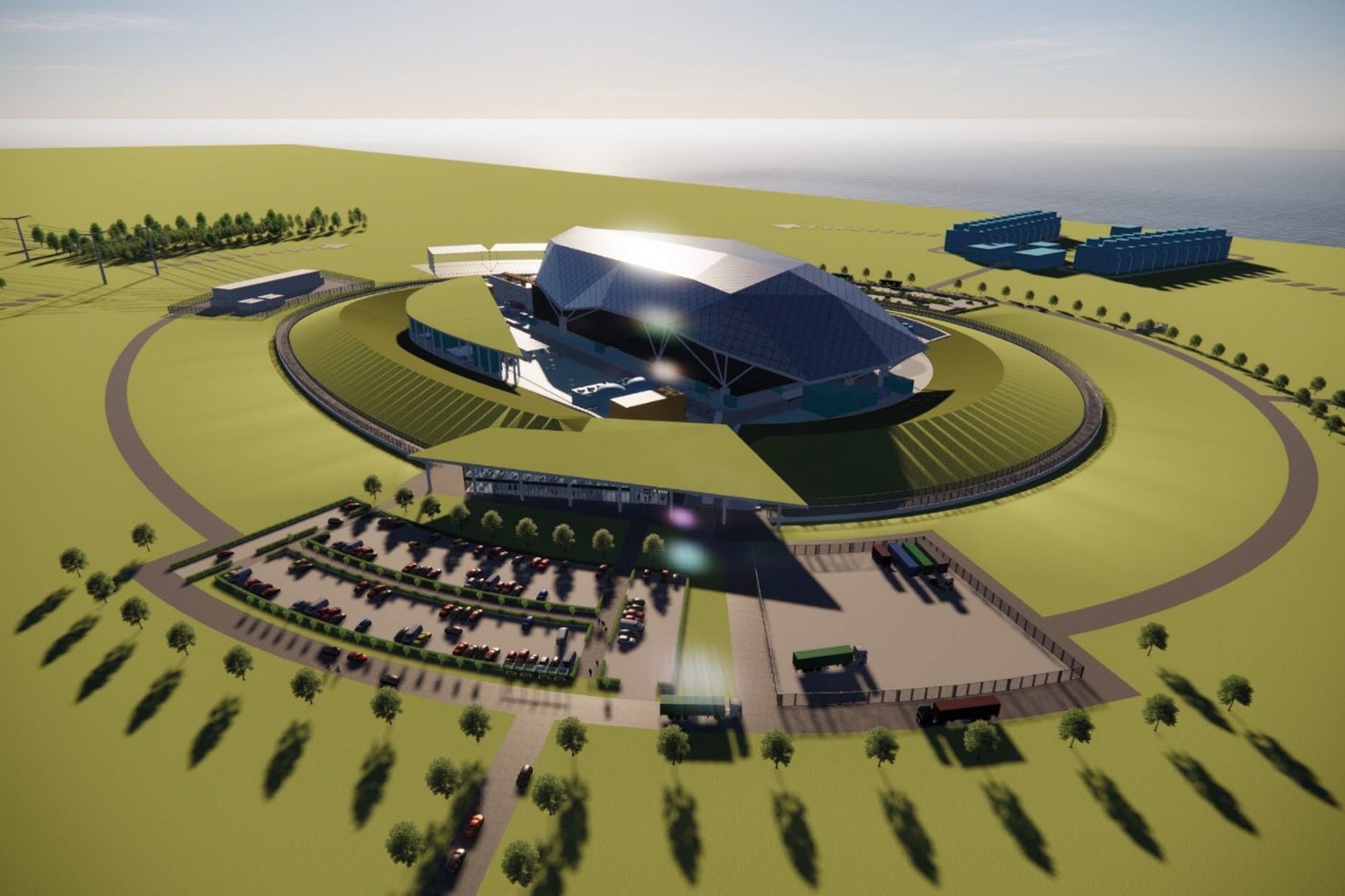
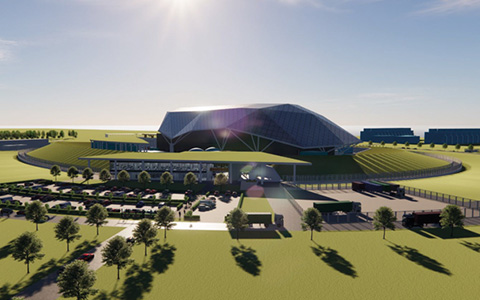
The Rolls-Royce SMR Sweden project has shifted from competition to commitment, with Swedish developer Videberg Kraft selecting Rolls-Royce SMR to deliver three small nuclear modular reactors on the Värö Peninsula near Varberg on the country’s west coast. The decision, confirmed on 15 June 2026, sets in motion what will be Sweden’s first new nuclear power plant in more than forty years. Videberg Kraft is owned by state utility Vattenfall AB and the industrial consortium Industrikraft i Sverige AB, with the Swedish state expected to become majority owner as the venture matures. The three reactors, grouped together as the Videberg Project, will sit beside the existing Ringhals station and add roughly 1,500 MWe of clean baseload capacity, about six percent of Sweden’s annual electricity consumption, across a designed operating life beyond sixty years. Each unit is a 470 MWe pressurised water reactor built on a factory produced, repeatable design that the company argues lowers cost and schedule risk. The award followed a four year evaluation that began in 2022 and narrowed an initial field of about seventy five technologies to a final contest between the Rolls-Royce SMR and GE Vernova Hitachi’s BWRX-300. UK reporting described the tie up as worth billions of pounds, and the wider programme is advancing alongside delivery partner Amentum. Detailed planning now begins, positioning Värö as the spearhead of a broader Swedish nuclear restart.
Why the Värö Peninsula Win Matters Across the Swedish Energy Sector
The selection lands at a moment when Sweden is rewriting the rules of its power system. Stockholm has shifted its long standing target from 100 percent renewable electricity to 100 percent fossil free, a wording change that deliberately reopened the door to new reactors, and the Riksdag has approved amendments lifting restrictions on nuclear development at additional coastal sites, with the changes taking effect on 15 July 2026. That policy turn has triggered a cluster of competing SMR proposals, including Blykalla’s planned SEALER plant at Norrsundet near Gävle and Studsvik’s projects in the country’s south. The Värö award is the most advanced of the group and gives Sweden a credible anchor project. For scale, the contrast with Sweden’s renewable pipeline is instructive. The proposed 5.5GW Aurora offshore wind farm in the Baltic Sea would generate intermittent power across up to 370 turbines, whereas the Värö reactors are designed to supply constant baseload output regardless of weather, which is the gap Vattenfall says industry electrification cannot close on wind and solar alone. The deal also carries continental weight. Sweden becomes the third European country to pick Rolls-Royce SMR technology, joining the United Kingdom, where the first units are planned at Wylfa in North Wales, and the Czech Republic, where co owner CEZ Group is progressing its own programme. That repeat order pattern is central to the SMR economic case, since each identical unit is meant to be cheaper and faster than the last.
Rolls-Royce SMR Sweden Timeline and What Comes Next
The Värö Peninsula project now enters detailed planning, with Videberg Kraft targeting first commercial operation of a unit in the mid 2030s. Before construction can begin, the venture must clear several gates. Videberg Kraft applied for Swedish state aid in December 2025, seeking the low cost loans and price guarantees made available under legislation that took effect on 1 August 2025 and covers up to about 5,000 MW of new capacity. Terms will be settled through negotiation with the government, after which Stockholm can open a formal state aid process with the European Commission, a step that approved Poland’s first commercial nuclear plant on similar grounds. Site licensing, environmental consent and final investment decisions remain ahead, and any slippage in the EU approval or financing framework is the clearest risk to the timeline. The strategic payoff is substantial. Vattenfall frames the reactors as essential to electrifying heavy industry and protecting Sweden’s long term competitiveness, while the UK government treats the export as proof its nuclear sector can win abroad. If delivered on schedule, the Videberg Project would secure decades of low carbon baseload power for southern Sweden.


Leave a Reply