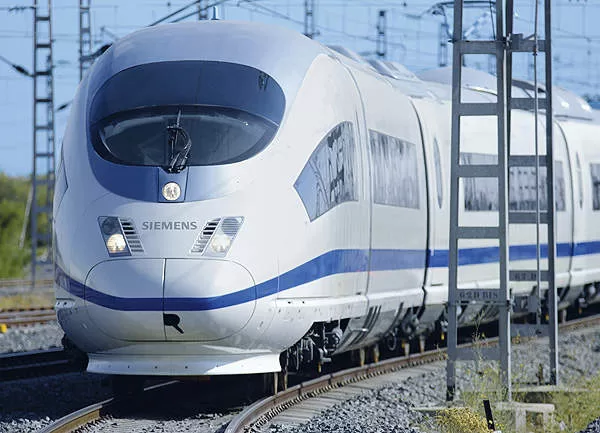
The Siemens Goole Rail Village is a £200 million train manufacturing facility located on a 67-acre site in Goole, East Yorkshire, built by Siemens Mobility to produce next-generation rolling stock for London Underground and other UK rail operators. It represents one strand of a broader Siemens manufacturing expansion strategy playing out simultaneously across multiple continents — most notably in Germany, where Siemens AG has committed over €200 million to a new AI-powered smart factory at its Amberg campus, targeting completion by 2030 and combining industrial AI, digital twins, and autonomous logistics under a single purpose-built roof.
Project Overview
Type: Train manufacturing facility and rail innovation village
Location: Goole, East Riding of Yorkshire, UK
Site size: 67 acres (equivalent to 35 football pitches)
Total investment: £200 million (+ additional £40 million for Bogie Assembly and Service Centre)
Primary contract: 94 new Inspiro London trains for TfL’s Piccadilly Line (£1.5 billion contract)
Train split: 80% assembled in Goole (79 trains); remaining 15 built in Vienna
Factory officially opened in 2024; Bogie Assembly and Service Centre investment announced at same time
First test train arrived in London for testing in October 2024
Passenger service entry delayed to second half of 2026; full fleet in service by end of 2027, with frequency increasing from 24 to 27 trains per hour
Future pipeline: Potential Bakerloo Line replacement fleet (subject to government funding), plus Siemens Verve battery train production
Jobs: 700 direct jobs; 300 construction roles; 1,700 supply chain opportunities
Project Team
Developer/Investor: Siemens Mobility
Joint CEO, Siemens Mobility UKI: Sambit Banerjee
Client/Operator: Transport for London (TfL)
TfL Chief Capital Officer: Stuart Harvey
Construction Contractor: GMI Construction (Leeds-based; 70%+ Yorkshire supply chain)
Key local supplier: LPA Lighting Systems (exterior lighting, ~25 miles from Goole)
R&D Partner: East Riding of Yorkshire Council and University of Birmingham (for RAISE Hub)
Government: Secretary of State for Transport (Louise Haigh at opening); Mayor of London (Sadiq Khan)
Testing facility: Siemens Mobility Test and Validation Centre, Wegberg-Wildenrath, Germany
Sister production facility: Siemens Vienna factory (producing initial trains and remaining 15 units)
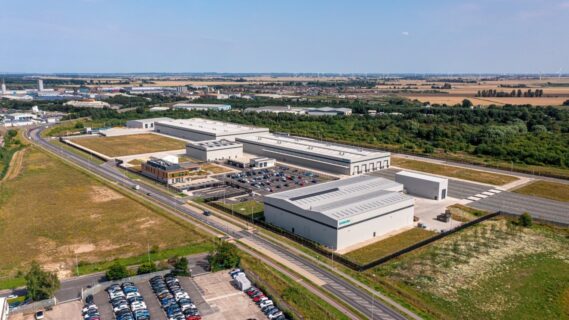
Published 6th October 2024: The Siemens UK boss’s statement highlights the significance of the Siemens UK’s £200 Million Train Factory investment in the new train manufacturing plant in Goole. This investment not only demonstrates Siemens’ confidence in the British economy but also underscores the company’s commitment to supporting local manufacturing and job creation.
The collaboration between Siemens and Transport for London to produce new trains for the Piccadilly Line is a crucial step in modernizing London’s transportation infrastructure. The new trains will replace the aging fleet, improving reliability, efficiency, and passenger comfort.
Overall, this investment and partnership are positive developments for both the British economy and London’s transportation system.
Project Factsheet
Location: Goole, East Yorkshire
Contractor: Siemens
Building type: Industrial (manufacturing)
Cost: £200 million
Significance of the Siemens UK’s £200 Million Train Factory Project
The Siemens investment in Goole is a major boost for the British economy, with the factory set to generate 700 jobs and provide rolling stock to several major UK train operators. The additional investment of £40 million in a Bogie assembly and Service Centre further demonstrates Siemens’ confidence in the UK market and will create up to 200 more jobs.
The decision to manufacture 80% of the new Piccadilly Line trains in Goole is a significant win for the UK, as it was originally planned for production to be shared equally with Siemens’ facility in Vienna. This shift highlights the attractiveness of the UK market for Siemens and reinforces the company’s commitment to supporting local manufacturing and job creation.
Overall, the Siemens investment in Goole is a positive development for the UK economy and transportation infrastructure, as it will create jobs, support local businesses, and provide modern, reliable rolling stock to passengers across the country.
Siemens’ decision to manufacture all new trains in Goole is a significant step towards addressing previous criticisms about the company securing UK contracts but producing the trains overseas. This commitment demonstrates a renewed focus on supporting local manufacturing and job creation in the UK.
Siemens to set a “Mark in UK”
By manufacturing all new trains in Goole, Siemens is not only fulfilling its promise to the UK government and public but also reinforcing its position as a key player in the British railway industry. This move will likely strengthen Siemens’ relationship with UK train operators and enhance the company’s reputation as a reliable and committed partner.
Siemens’ £1.5 billion contract with Transport for London (TfL) to supply new Piccadilly Line trains, with the potential to extend to other lines like the Bakerloo, Central, and Waterloo & City, is a significant investment in London’s transportation infrastructure.
The Bakerloo and Central Lines have faced disruptions due to their aging trains, prompting concerns about potential “critical failures.” The government’s involvement is crucial in securing funding for necessary upgrades. Siemens’ close collaboration with TfL and the Department for Transport (DfT) to ensure the Bakerloo Line options are exercised demonstrates their commitment to addressing these issues.
The decision to prioritize the Piccadilly Line for a “quick replacement” based on its high daily occupancy is a pragmatic approach. By modernizing the Piccadilly Line, Siemens can improve reliability, efficiency, and passenger comfort for a large number of commuters.
Siemens Contract set to Modernize London’s Infrastructure
Overall, Siemens’ contract with TfL is a positive development for London’s transportation system. It will help to modernize the aging infrastructure, improve reliability, and enhance the passenger experience.
The upcoming Piccadilly Line fleets are set to offer a significant upgrade in passenger comfort and sustainability. The inclusion of air conditioning will provide a more pleasant travel experience, especially during hot weather. The artistic design and elimination of single carriages in favor of nine-carriage trains will not only enhance the aesthetics but also improve the overall efficiency and capacity of the line.
The lighter build of these new trains is a particularly noteworthy feature. By reducing the weight of the trains, Siemens can achieve substantial reductions in carbon emissions. This aligns with the growing emphasis on sustainable transportation and contributes to London’s efforts to reduce its environmental impact.
Overall, the Piccadilly Line fleets represent a significant step forward in terms of passenger comfort, efficiency, and sustainability. These new trains are poised to redefine the travel experience for Londoners and contribute to a greener and more sustainable transportation system.
Also read: Eastern Green Link 2: The UK’s Longest Subsea HVDC Cable Project

Leave a Reply