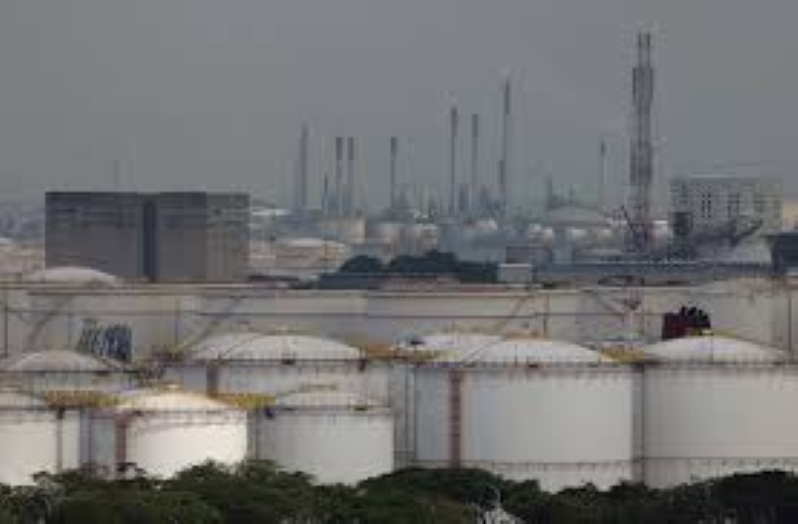
Energy transition in Singapore is entering another decisive phase as the country’s Energy Market Authority (EMA) has launched a request for proposals (RFP) tender for up to three new hydrogen-ready power plants. The tender comes as Singapore projects sustained growth in electricity consumption from advanced manufacturing, semiconductors, data centers, and electrified transport, with peak demand forecast to reach 9.6GW to 11.4GW by 2031.
Under the tender, the private sector will build, own, and operate:
- One hydrogen-ready gas-fired unit to be operational by 2031
- Up to two additional units targeted for commissioning in 2032
Tender launched for three new hydrogen-ready power plants in Singapore
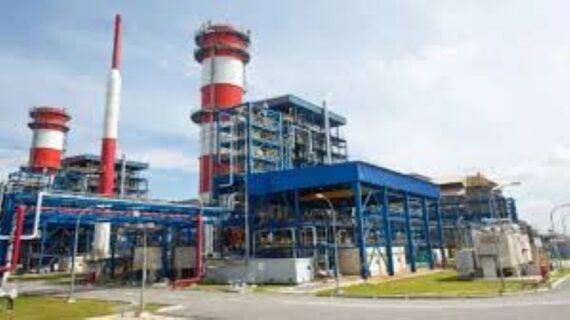
Each unit must provide at least 600MW of generation capacity. This is equivalent to powering more than 864,000 four-room flats annually. The projects will also be designed as hydrogen-ready combined cycle gas turbine (CCGT) facilities. This means Singapore will continue to rely on natural gas in the near term while preserving an option for future low-carbon hydrogen adoption.
Additionally, this latest power plant tender forms part of a centralized generation capacity planning model introduced by EMA in Singapore to ensure sufficient baseload capacity amid tightening reserve margins and growing electrification. The third power plant tender also follows earlier RFP rounds in Singapore. This also includes the 2024 procurement that led to the award of a 670MW hydrogen-ready unit to PacificLight Power scheduled for commissioning in 2029.
Singapore’s Soaring Energy Demand
Singapore is pursuing one of Asia’s most ambitious energy transition pathways. The city-state continues to depend on natural gas for over 95% of electricity generation while progressively layering in cleaner alternatives such as imported low-carbon power, energy storage, carbon capture studies, and hydrogen readiness. This carbon intensive dependency is mainly due to limited land for large-scale renewables and limited domestic fossil fuel resources.
The new plants are particularly important as electricity demand growth is no longer driven primarily by population or traditional commercial activity. Electricity demand growth in Singapore is increasingly being driven by digital infrastructure and industrial expansion. AI-linked data centers, semiconductor fabs, advanced manufacturing, and electric mobility are materially increasing power intensity. Previously EMA reports also show expected power demand growth of roughly 2%-5% annually through 2035.
Furthermore, by mandating hydrogen compatibility in the third RFP power plants tender, Singapore is avoiding full carbon dependency while ensuring dispatchable thermal capacity remains available. This is also part of policy trajectory under Singapore’s National Hydrogen Strategy and updated emissions standards requiring new thermal assets to be hydrogen-ready.
Outlook on the third RFP tender in Singapore
The tender is likely to attract bids from existing Singapore generation companies and regional energy infrastructure players with experience in thermal and gas-fired power plants.
The new facilities will also complement other infrastructure initiatives including:
- Low-carbon electricity imports from regional ASEAN markets
- Utility-scale battery energy storage systems
- Carbon capture and storage (CCS) feasibility studies on Jurong Island
Bids for the projects are expected on a staggered basis:
- 2031 unit submissions close: 24 June 2026
- 2032 units submissions close: 30 September 2026
Assuming typical procurement and permitting timelines, financial close could occur between late 2026 and 2027, with EPC mobilization following thereafter.

Leave a Reply