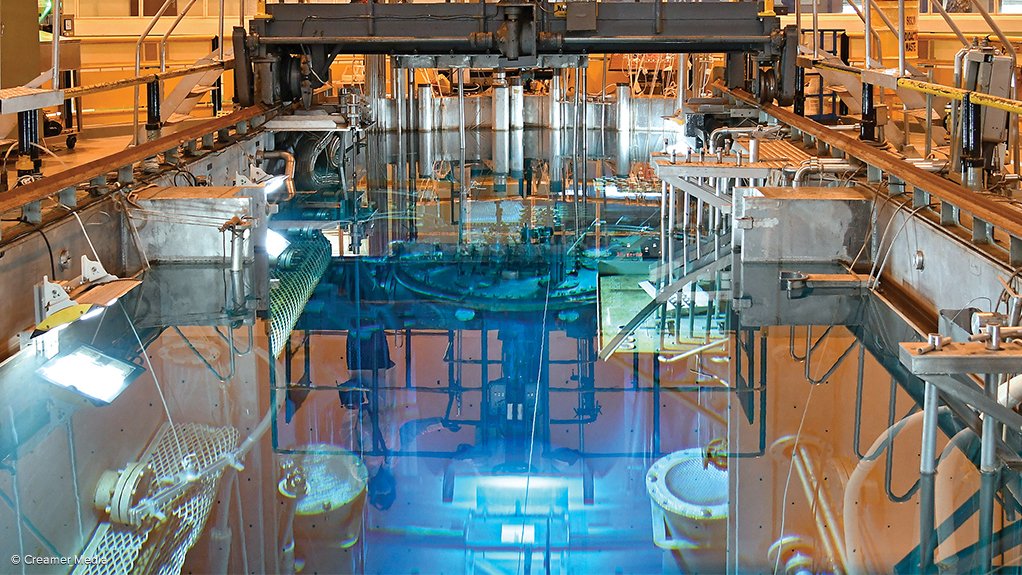
South Africa state-owned NECSA will soon launch the next phase of a tender for a new $710 million multipurpose research reactor. The tender aims to maintain South Africa’s position as a top global exporter of medical isotopes. The isotopes are used to diagnose and treat disorders such as cancer and heart disease. Moreover, they are created in small nuclear reactors dedicated to science and training rather than energy generation.
The reactor is expected to replace the current Safar-1 nuclear reactor which has been operational since 1965. Previous reports indicated a cost of around R12 billion ($710 million) to replace the Safari-1 reactor, according to e-mc2.gr and Leads 2 Business. After issuing the request for proposals, NECSA aims to have a new 20-30 megawatt plant operational by 2032/33, CEO Loyiso Tyabashe said during an interview.
Originally the request for proposals was due to take place by March 31. However, if that does not happen “I will be targeting first quarter of the financial year, which is April to June,” he said. Discussions with key government departments, including the National Treasury are also continuing. Various infrastructure and power projects are taking shape all over South Africa such as the 3GW gas plant in Richards Bay, KwaZulu-Natal.
Preference from NECSA on Tender for New Multipurpose Research Reactor
NECSA has noted it prefers a turnkey or an engineer, procure and construct (EPC) contract for the new multipurpose research reactor. The aim is to minimize project risks as noted by Tyabashe. Under both, the contractor is responsible for the full project up until delivery.
Potential vendor countries include the likes of Russia, China, South Korea, U.S. and Argentina, he said. He also noted the new reactor is planned to operate alongside the decades-old 20 MW Safari 1 research reactor at Pelindaba by extending the life of Safari 1. Safari 1 is one of the world’s top producers of Molybdenum-99, or Mo-99, used in millions of diagnostic tests for cancer, heart disease and other illnesses.
“We want to operate in parallel so that we solidify our footprint in the isotope market and don’t create a gap, because once customers are gone, they are gone.” The state-owned firm is also on track to start the tender process for a pilot small modular reactor with an expression of interest later this month.
He declined to disclose the cost of the multi-product reactor. However, together with the SMR initiative, the two initiatives made up most of an 80 billion rand infrastructure push by NECSA to rebuild South Africa’s nuclear capacity.
Project Overview
- Project Type: Multipurpose nuclear research reactor.
- Estimated Cost: ~$710 million ([?] R12 billion).
- Purpose: Medical isotopes and nuclear research and training.
Key Authority / Developer
- Ownership: South African Nuclear Energy Corporation.
Location
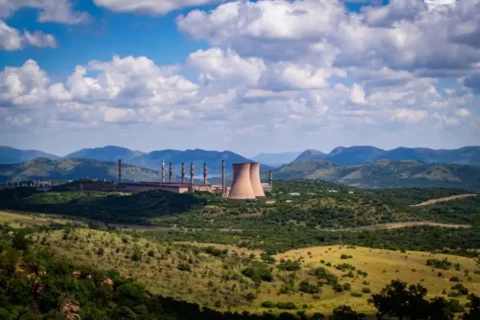
- Location: Pelindaba Nuclear Research Centre.
- Country: South Africa
Scope
- Building of a 20-30 megawatt multipurpose research reactor.
- The old Safari-1 reactor commissioned in 1965 was replaced.
- Ongoing manufacture of important medical isotopes like Molybdenum-99 (Mo-99).
Procurement
- Delivery model: Turnkey or EPC (Engineer, Procure, Construct).
- Potential suppliers in such countries as Russia, China, South Korea, the U.S., and Argentina.
Timeline
- Tender Stage: This is the next stage of procurement that will be launched soon.
- Target Completion: Operational by 2032-2033.
Status
- Stage: Pre-procurement / tender preparation.
- Status: Government consultations and funding coordination in progress.
Strategic Significance
- Remains a major exporter of medical isotopes in the world.
- Is a component of a projected R80 billion nuclear infrastructure development program
Leave a Reply