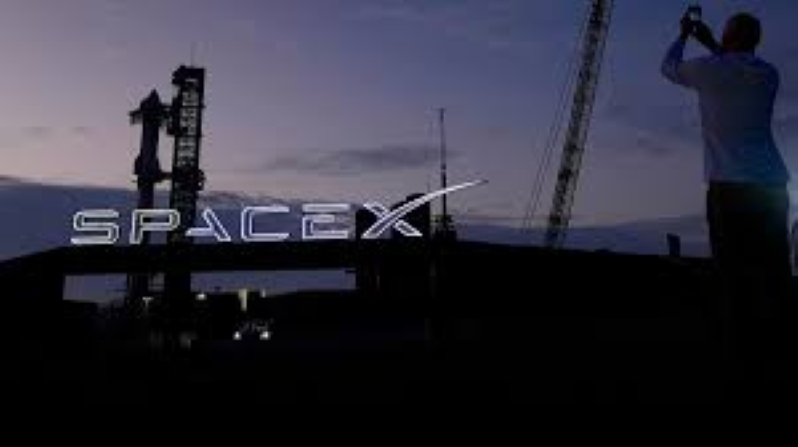
SpaceX is moving forward with plans for “Starpipe,” a dedicated eight-mile natural gas connection for its Starbase launch site in Texas. Filed through subsidiary Lone Star Mineral Development with the Railroad Commission of Texas, the proposed 16-inch line will run from the Port of Brownsville directly to the company’s complex. Construction is targeted to begin in July 2026, aiming to bring the infrastructure into service by January 2027.
The pipeline will deliver natural gas directly to an on-site facility where SpaceX will liquefy it into cryogenic methane fuel for Starship’s Raptor engines. Each Starship launch requires massive volumes of fuel, and replacing truck deliveries with a direct line will provide a steady, reliable supply to support a much higher launch frequency in South Texas.
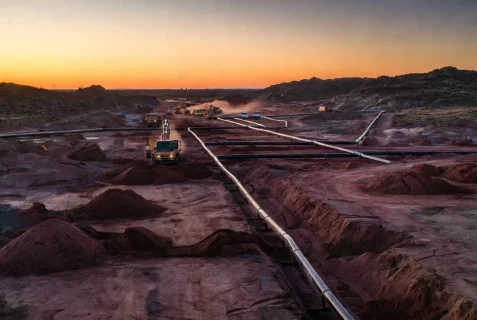
SpaceX Shifts Strategy Toward Direct Energy Control and Pipeline Infrastructure
SpaceX is adopting a strategic move toward direct ownership and control of its energy supply chains. By establishing dedicated natural gas pipelines in both Florida and Texas, the company is shifting away from third-party logistics to eliminate supply bottlenecks as Starship launch frequencies scale up. This push into utility-style infrastructure extends to energy procurement as well, with SpaceX hiring internal natural gas traders to secure bulk fuel directly on commercial markets. Managing both the physical transport networks and raw commodity sourcing gives the company greater control over operational costs, safety, and delivery timelines across its key launch sites.
June 25, 2026
Space exploration company SpaceX is preparing to significantly expand the infrastructure supporting its next-generation Starship rocket program through the construction of a dedicated natural gas pipeline known as “Starpipe.” The project marks another major step in the company’s efforts to increase launch frequency from its Starbase facility in Texas and build a fully integrated fuel supply chain capable of supporting future lunar, Martian, and satellite deployment missions.
Starpipe natural gas pipeline project moves toward construction
SpaceX plans to begin construction of the approximately 8-mile (13km) Starpipe natural gas pipeline in July 2026. The pipeline will connect gas supply infrastructure near the Port of Brownsville directly to Starbase, the company’s launch and manufacturing complex on the Texas Gulf Coast. The system is scheduled to enter service by January 2027, subject to final approvals and construction progress.

Starpipe natural gas pipeline will be developed through SpaceX affiliate Lone Star Mineral Development. It will transport natural gas that can be processed into liquid methane, the primary fuel used by Starship’s Raptor engines. Engineering documents also indicate that the company intends to construct a liquefaction facility at Starbase. This is to enable on-site conversion of pipeline gas into rocket-grade methane.
Supporting a dramatic increase in Starship launches
Starpipe natural gas pipeline is intended to address one of the biggest logistical challenges facing Starship operations. Each launch requires approximately 630,000 gallons of liquid methane, which is currently delivered to the launch site by large numbers of tanker trucks. As SpaceX seeks to increase launch frequency from dozens to potentially hundreds of flights annually, truck-based fuel delivery is no longer considered practical.
Additionally, Starship is central to the company’s long-term strategy. The fully reusable launch system is expected to carry larger batches of Starlink satellites, support NASA lunar missions, enable deep-space exploration. Also, in sight in the transport of cargo and crews to Mars. SpaceX has already invested more than US$15bn in Starship development, making it the company’s largest infrastructure and technology program to date.

Part of a broader vertical integration strategy
Also noteworthy is that Starpipe is increasingly viewed as part of a wider effort by SpaceX to control critical portions of its supply chain. The company has reportedly acquired more than 100 oil and gas leases across Texas since 2023. It has also explored the possibility of future natural gas extraction operations near Starbase. Company executives have also publicly discussed plans to process their own rocket propellants and potentially participate in upstream energy production.
The move mirrors SpaceX’s broader business philosophy of bringing key capabilities in-house. This is a strategy that has previously enabled it to reduce launch costs and accelerate technology development compared with competitors. By securing fuel supply, processing, transportation and launch operations under one integrated system, SpaceX aims to support the extremely high launch cadence envisioned for future Starship missions.
Infrastructure implications
The proposed 16-inch-diameter pipeline is significantly larger than what would be required to support the currently approved annual launch rate. It is also suggested that the capacity could accommodate substantially more launches than the 25 Starship missions presently authorized by regulators.
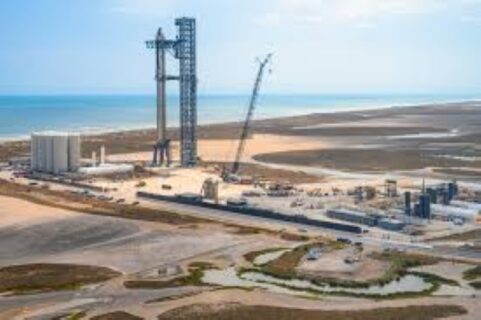
The project also highlights the growing convergence between the aerospace and energy sectors. As launch systems become larger and more reusable, supporting infrastructure is becoming as important as the rockets themselves. The supporting infrastructure spans fuel production, transportation networks, water systems and power supplies, to name a few. SpaceX’s Starpipe natural gas pipeline project is among the clearest examples yet of a space company investing directly in energy infrastructure to support future growth.
Starpipe natural gas pipeline: project factsheet
Location: Starbase, Texas
Length: 8 miles (13km)
Pipeline Diameter: 16 inches
Purpose: Supply natural gas for Starship methane production
Associated Infrastructure: Planned methane liquefaction facility
Construction Start: Expected July 2026
Planned Operational Date: January 2027
End User: Starship launch operations
Objectives: Support significantly higher launch frequency and future Mars, lunar, Starlink, and AI satellite missions.
Who is involved in the development
Developer: SpaceX through Lone Star Mineral Development
Port Infrastructure: Port of Brownsville
Potential Pipeline Connection: Enbridge
Regulatory Authority: Texas Railroad Commission
Federal Permitting Agency: U.S. Army Corps of Engineers

Leave a Reply