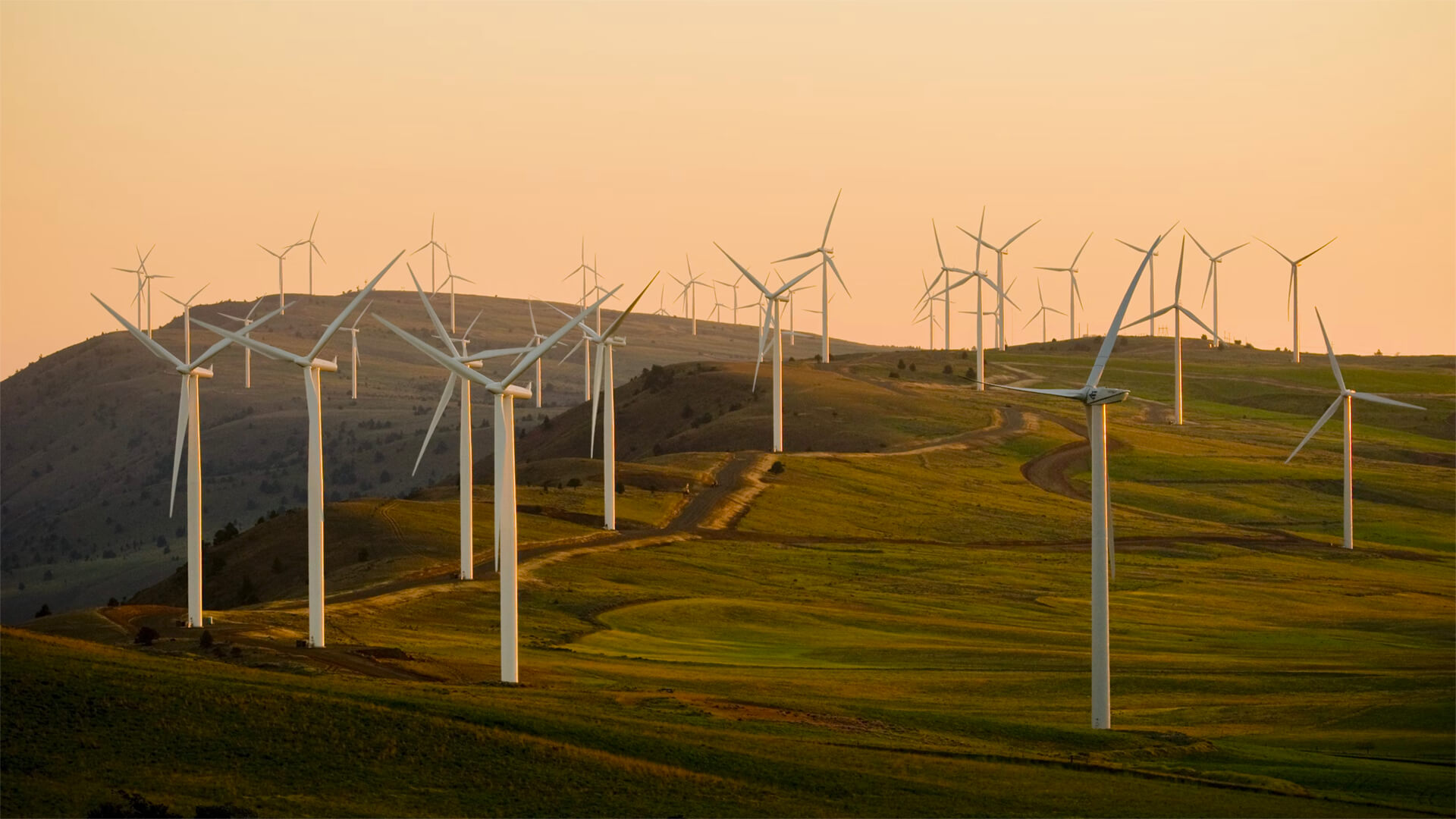
The US biggest onshore wind project, SunZia Wind Farm has officially reached full operation, marking a historic milestone in American clean energy construction. Located across three counties in central New Mexico, the 3,650-megawatt facility now stands as the largest renewable energy infrastructure project ever built in United States history.
Developer Pattern Energy announced full commissioning in June 2026, closing the chapter on nearly two decades of permitting, planning, and construction. The $11 billion project surpasses the output of the iconic Hoover Dam and delivers enough electricity to power approximately one million American homes every year.
SunZia Wind Farm Breaks Ground-to-Grid Records
Construction of the SunZia Wind Farm began in 2023, following approvals secured over almost 20 years. Moreover, the wind complex stretches across Lincoln, Torrance, and San Miguel counties, covering more than 500,000 acres of New Mexico’s wind-rich Estancia Valley. Consequently, the project deploys 916 wind turbines across two distinct northern and southern zones.
The northern zone hosts 242 Vestas V163-4.5 MW turbines. Meanwhile, the southern zone runs on 674 GE Vernova 3.6-154 MW turbines. Together, these turbines deliver a combined net summer capacity of 3,650 MW more than three times larger than the next biggest US wind farm.
Additionally, Pattern Energy constructed the SunZia Transmission Project alongside the wind farm. This 550-mile high-voltage direct current (HVDC) line connects the New Mexico wind site to Pinal County in south-central Arizona. As a result, most of the electricity routes onward to Southern California via the Palo Verde Substation, carrying up to 2,131 MW to California alone. Two 525 kV HVDC lines carry a combined transmission capacity of 3,021 MW.
Furthermore, since SunZia began testing in April 2026, California’s grid operator recorded wind generation records at least five times. On May 15, 2026, the California Independent System Operator (CAISO) recorded 7,122 MW of hourly wind generation. That figure stands 20% higher than the previous annual record of 5,922 MW in 2024. Therefore, SunZia’s nighttime wind generation now complements California’s abundant daytime solar output, closing a critical gap in the state’s renewable energy supply.
SunZia Wind Farm Project Delivers $20.5 Billion Economic Boost
Beyond electricity generation, SunZia carries a powerful economic impact for the region. Specifically, the SunZia Wind and Transmission projects together expect to generate $20.5 billion in total economic benefit over their operational lifetime. In addition, the projects will contribute $1.3 billion in fiscal impacts to federal, state, and local governments, schools, and private landowners across New Mexico and Arizona. Consequently, the construction phase alone created more than 2,000 jobs at peak activity, while permanent operations now support over 100 full-time positions.
Hunter Armistead, CEO of Pattern Energy, hailed the achievement as proof of what large-scale infrastructure can deliver. “SunZia proves that we can still build the consequential infrastructure this country needs,” Armistead said. He noted the project was completed on time and on budget.
Nevertheless, environmental groups and tribal nations raised concerns about habitat fragmentation and cultural site preservation along the transmission corridor. Pattern Energy worked through formal engagement channels, securing Bureau of Land Management approvals and earning clearance to proceed.
SunZia Wind Farm Strengthens America’s Western Grid despite Policy Headwinds
SunZia’s commissioning arrives at a politically charged moment for US renewable energy. The Trump administration has moved to slow permitting for new renewable energy projects. Yet SunZia pressed forward, completing construction on schedule. Elliot Mainzer, president and CEO of CAISO, underscored the project’s grid significance. “Large-scale transmission is essential to meeting the West’s growing energy needs and strengthening reliability across the grid,” Mainzer said. Moreover, with SunZia online, total wind capacity in New Mexico now stands at 7,647 MW — 45% of the state’s entire capacity mix.
Additionally, the project aligns with New Mexico’s Energy Transition Act, requiring utilities to generate at least 50% of power from renewables by 2030. Furthermore, SunZia now carries more capacity than the Hoover Dam, a landmark that long defined American energy infrastructure.
US Senator Martin Heinrich noted that the 17-year permitting journey exposed deeper systemic flaws. “You should be able to get to the right answer in five, six years, not 17,” he said. Therefore, while SunZia celebrates a triumphant finish, its timeline also signals the urgent need for faster approval pathways for future large-scale energy construction.
SunZia is not Pattern Energy’s first wind achievement in New Mexico. The developer previously completed the Western Spirit Wind project, a 1,050 MW complex across Guadalupe, Lincoln, and Torrance Counties, which began commercial operations in January 2022. That project deployed 377 GE turbines and created 1,100 construction jobs. SunZia now dwarfs it — delivering more than three times the capacity and rewriting the scale of what is possible in American wind energy construction.
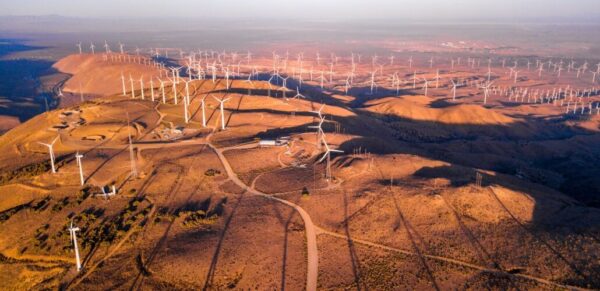
Project Fact Sheet
Project Name: SunZia Wind Farm and Transmission Project
Location: Lincoln, Torrance, and San Miguel Counties, central New Mexico, United States
Project Type: Onshore wind farm and high-voltage direct current (HVDC) transmission line
Total Project Cost: $11 billion
Total Installed Capacity: 3,650 MW net summer capacity (3.5 GW wind; 3 GW transmission)
Number of Wind Turbines: 916 turbines across two zones
Turbine Types: 674 GE Vernova 3.6-154 MW turbines (2.4 GW) and 242 Vestas V163-4.5 MW turbines (1.1 GW)
Land Coverage: More than 500,000 acres across the Estancia Valley, New Mexico
Transmission Line: 550-mile (885 km) HVDC line; two 525 kV lines with 3,021 MW combined capacity
Grid Connection: Power delivered to Arizona and Southern California via the Palo Verde Substation (up to 2,131 MW to California)
Homes Powered: Approximately 1 million American homes annually
Construction Period: 2023 to 2026
Full Operation Date: June 2026
Permitting and Planning Period: Nearly 20 years
Jobs Created: Over 2,000 construction jobs at peak; 100+ permanent operational positions
Total Economic Benefit: $20.5 billion USD over the project’s lifetime
Fiscal Impacts: $1.3 billion USD in taxes and land payments across New Mexico and Arizona
Infrastructure Components: 10 collection substations, 115 miles of overhead collection lines, 130 miles of 345 kV AC generation tie lines, and a main switchyard
Power Purchase Agreement: Shell Energy (North America) and the Regents of the University of California (signed May 2023)
Grid Record Set: CAISO recorded 7,122 MW of hourly wind generation on May 15, 2026 — 20% above the previous 2024 record
New Mexico Wind Share: SunZia raises state wind capacity to 7,647 MW — 45% of New Mexico’s entire capacity mix
Ranking: More than three times larger than the next biggest US wind farms — Alta Wind, California (1,098 MW) and Great Prairie, Texas (1,027 MW)
Project Team
Developer and Owner: Pattern Energy Group
Wind Turbine Supplier (Southern Zone): GE Vernova — supplied 674 GE Vernova 3.6-154 turbines
Wind Turbine Supplier (Northern Zone): Vestas — supplied, delivered, and commissioned 242 V163-4.5 MW turbines; contract includes a multiyear Active Output Management 5000 (AOM 5000) service agreement
Infrastructure and Transmission Solutions Provider: Quanta Services — contracted for preconstruction activities and comprehensive infrastructure solutions; partnered with Hitachi Energy
Transmission Technology Partner: Hitachi Energy — provided HVDC transmission infrastructure solutions in partnership with Quanta Services
Grid Operator (California): California Independent System Operator (CAISO)
Power Offtakers: Shell Energy (North America) and the Regents of the University of California Regulatory Oversight:
- Federal: US Bureau of Land Management (BLM)
- Arizona: Arizona Corporation Commission
- New Mexico: New Mexico Public Regulation Commission
Original Transmission Rights Seller: SouthWestern Power Group — Pattern Energy acquired transmission project rights from this entity in July 2022
Original Wind Rights Seller: Clean Line Energy Partners — Pattern Energy acquired the Mesa Canyons Wind Farm rights in May 2018

Leave a Reply