
The AI infrastructure race has officially detached itself from the American electrical grid. In a historic shift that structurally merges Big Tech’s insatiable appetite for power with Big Oil’s physical assets, Chevron Corporation and Microsoft Corporation have finalized a monumental 20-year power purchase agreement. The deal paves the way to build Project Kilby, a grid-independent, natural gas-fired mega-facility designed exclusively to energize a next-generation Microsoft AI data center campus.
Spanning massive acreage in Reeves County near Pecos, Project Kilby represents an estimated $7 billion capital development managed by Chevron’s subsidiary, Energy Forge One LLC, in collaboration with investment fund Engine No. 1. At full scale, the site will deliver 2.67 gigawatts (GW) of dedicated power. Enough electricity to fuel roughly 2 million homes or 667,500 homes during a peak Texas summer day.
The Architecture of Grid Independence
Unlike standard data centers that risk overloading regional utilities, Project Kilby is engineered as a “behind-the-meter,” isolated power cluster. Microsoft’s AI server clusters will connect directly to on-site generation. Pulling fuel straight from Chevron’s extensive Permian Basin natural gas assets. By building data infrastructure directly above abundant, low-cost gas deposits, the partners are shifting from moving fuel molecules through pipelines to moving digital electrons across fiber lines.
The supply chain implications for heavy industrial manufacturers are immediate and also extensive:
GE Vernova (NYSE: GEV):
Acting as a core partner alongside Joulent LLC (a newly launched company by Engine No. 1 and GE Vernova). They will supply the majority of the heavy-duty gas turbines driving the facility’s baseline power.
Caterpillar Inc. (NYSE: CAT):
Through its specialized Solar Turbines unit, Caterpillar is set to deliver modular backup turbine systems to ensure uninterrupted data center uptime.
Breaking the Environmental Paradigm
For Microsoft, the deal represents a calculated compromise in its sustainability roadmap. While the tech giant has traditionally prioritized renewables and nuclear energy—including its recent high-profile investment to restart Pennsylvania’s Three Mile Island facility—the sheer velocity of the generative AI boom has outpaced clean energy deployment timelines.
“AI requires energy infrastructure that can scale quickly and reliably,” noted Noelle Walsh, Microsoft’s president of cloud operations and innovation, in an official corporate announcement. Analysts note that utilizing steady, controllable fossil generation allows Microsoft to bypass multi-year interconnection queues that currently paralyze regional US grids like ERCOT. To mitigate ecological impacts, Chevron plans to use non-potable, brackish groundwater or recycled oilfield wastewater rather than freshwater for power plant operations.
Construction is slated to begin following a final investment decision later this year. With initial power delivery scheduled for late 2028. Local governance has embraced the project warmly. With officials projecting that Project Kilby will add more than $10 billion to state and local tax revenues while supporting nearly 2,000 regional jobs.
Additionally, the grid-bypassing strategy unfolding in West Texas is part of a broader, systemic scramble by technology firms to secure computing infrastructure at any cost. As Microsoft pivots toward raw fossil generation to bypass regional utility delays. Other technology sectors are utilizing massive, pre-built supercomputing footprints. This infrastructure-first approach mirrors a simultaneous development in Tennessee, where SpaceX is commercializing its own hyper-scale assets to anchor a new $6.3 billion AI computing cluster in Memphis, transforming raw real estate into the modern tech economy’s ultimate cash crop.
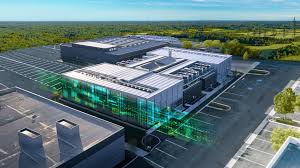
Project Kilby Factsheet
- Location: Reeves County, near Pecos, West Texas
- Primary Developers: Energy Forge One LLC (Chevron), Engine No. 1, Joulent LLC
- Offtaker: Microsoft Corporation via a 20-Year Power Purchase Agreement
- Total Estimated Cost: $7 Billion
- Ultimate Capacity: 2.67 Gigawatts (GW) achieved via phased, modular expansion
- Target First Power: Scheduled for late 2028
- Primary Hardware Partners: GE Vernova for large turbines, and Caterpillar Solar Turbines for backup capacity
- Water Source: Non-potable brackish groundwater and recycled oilfield produced water
- Projected Economic Impact: Over $10 billion in local and state tax revenue, supporting roughly 2,000 regional jobs




Leave a Reply