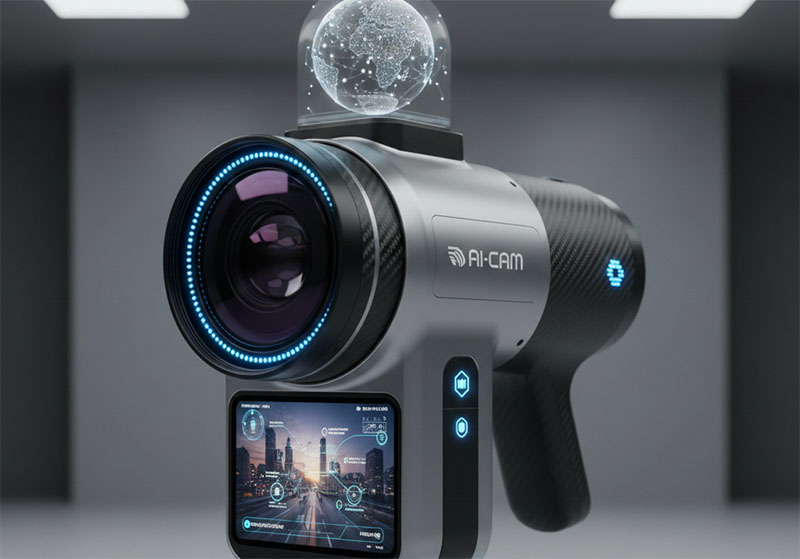
In the push for safer industrial environments, AI cameras have emerged as a popular tool for enhancing situational awareness. Using human-form recognition, these cameras allow organisations to monitor operations and gather visual data on site activities. However, while AI technology offers helpful visual insights, it is often a passive layer of safety. When it comes to active collision prevention—especially in complex, high-risk, or low-visibility environments—RFID (Radio Frequency Identification) and UWB (Ultra-Wide-Band) proximity warning systems remain the gold standard. Understanding the distinction between “seeing” a risk and “actively preventing” one is critical. This guide examines the role of AI cameras alongside RFID and UWB technology, helping you determine which solution provides the most robust protection for your workforce.
The Strengths of AI Cameras in Workplace Safety
AI cameras provide several practical benefits, particularly in controlled indoor environments where they are not exposed to harsh weather. As a tagless solution, they use human-form recognition to detect pedestrians in real time, reducing reliance on wearable RFID tags. One of their primary strengths is providing video evidence, capturing incidents and near-misses that serve as valuable training opportunities.
They are generally easy to install on vehicles and offer a baseline level of safety monitoring even when wearable compliance is imperfect. Ultimately, AI cameras provide visual context that helps teams understand why incidents occur, rather than just recording that they happened.
Limitations of AI Cameras in High-Risk Environments
Despite these strengths, AI cameras have several constraints that impact their reliability as a primary safety system. They are entirely line-of-sight dependent, meaning they cannot detect a person located behind walls, pallets, racking, or material piles. Performance is also environmentally sensitive; in outdoor or dirty environments—such as waste and recycling centres—dust, dirt, and poor weather can significantly reduce detection accuracy.
Achieving continuous 360-degree coverage requires multiple cameras and precise positioning, and these systems can generate nuisance alerts that lead to alarm fatigue. Additionally, AI processing can introduce slight latency, and the hardware itself is often more susceptible to damage than rugged, sensor-based systems.
Wearable Compliance and Two-Way Warning Capabilities
Selecting the right workplace safety technology requires comparing how these systems handle wearable compliance and detection. AI cameras reduce the need for wearables but remain limited by what the lens can physically see. In contrast, RFID systems require pedestrians to wear tags, but this delivers a critical safety advantage: two-way feedback.
While the driver receives an in-cab alert, the pedestrian’s RFID tag vibrates or alarms to warn them of an approaching vehicle. RFID tags can also integrate with access control systems, ensuring workers cannot enter dangerous zones unless they are authorised. UWB technology typically focuses on high-accuracy vehicle-to-vehicle detection, providing centimetre-level positioning that cameras cannot match.
Detection Accuracy, Environmental Performance, and Privacy Considerations
The difference in detection accuracy and coverage is a vital consideration. While AI cameras offer high-resolution visuals, they cannot overcome the challenge of detecting pedestrians hidden behind obstacles. RFID technology excels in these blind scenarios, detecting through solid objects and providing consistent alerts within a predefined range.
From an environmental standpoint, RFID and UWB perform reliably in both indoor and outdoor conditions and remain unaffected by clutter, low light, or adverse weather that may hinder AI cameras. AI camera systems also introduce higher legal and privacy complexities, often falling under high-risk categories within data protection regulations. In contrast, RFID and UWB systems focus on proximity and movement rather than behavioural or identity data.
Why a Layered Safety Approach Works Best
For most high-risk industrial environments, the most effective safety strategy is a layered approach: using AI cameras for training, auditing, and behavioural insights, while relying on RFID or UWB proximity warning systems for real-time, life-saving detection.
AI cameras provide valuable context and visibility into site behaviour, but RFID and UWB deliver the active, fail-safe protection required to prevent accidents before they occur. The right solution depends on environmental conditions and operational risk levels. By combining these technologies, organisations can move beyond passive monitoring and build a truly proactive safety culture that protects every worker on site.
By Christian Bird Marketing at ZoneSafe
Leave a Reply