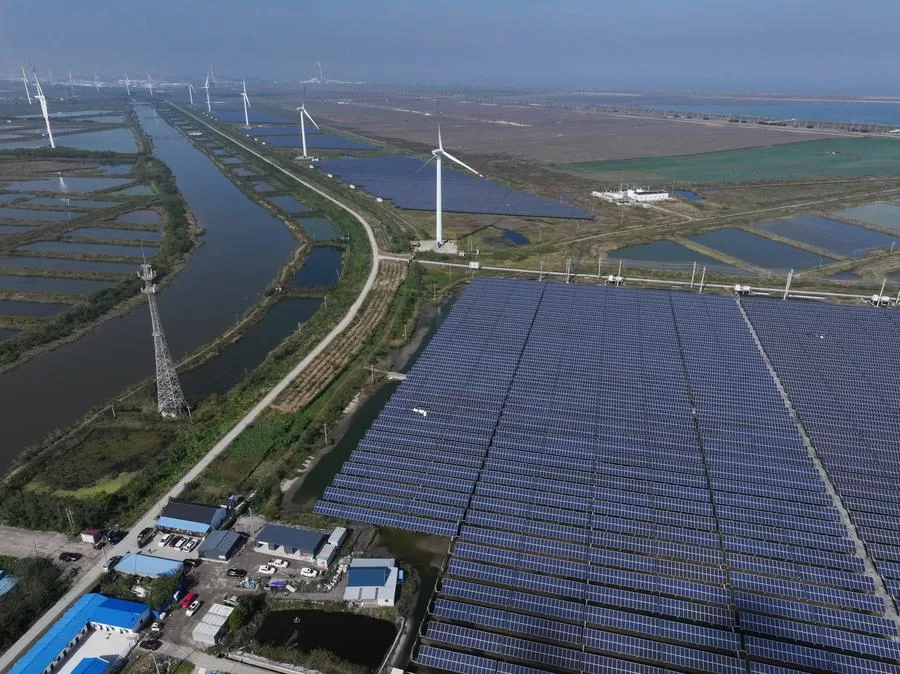
The Rudong photovoltaic–hydrogen energy storage project is an integrated renewable energy development located in Rudong County, Jiangsu Province, China. The project was developed by Guohua Energy Investment Co., Ltd. under CHN Energy Investment Group and commenced operations on December 31, 2024.
The facility combines solar power generation with hydrogen production and energy storage as part of integrated energy system development. The project forms part of broader renewable energy and hydrogen infrastructure initiatives in China, alongside developments such as the Kuqa Green Hydrogen Plant.
Separately, the Songyuan Hydrogen Energy Industrial Park project is a planned development intended to integrate hydrogen, ammonia, and methanol production within a single facility as part of ongoing energy infrastructure planning.
Xinhuanet reports that the project spans 287 hectares (4,300 mu) and the comprehensive energy initiative combines the following:
- photovoltaic power generation,
- hydrogen production,
- energy storage, and;
- hydrogen refueling.
Other Projects
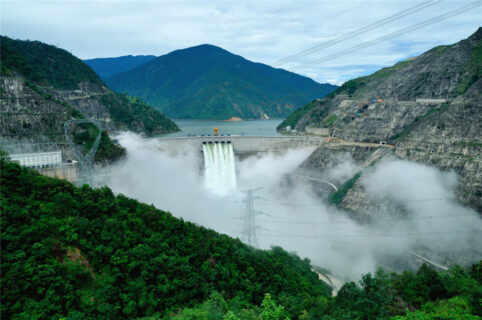
China has been working on other integrated projects other than the Rudong project such as the Xiaowan hydropower-solar complex in southwest China. The plant combines 4.2 GW of hydropower and 1.23 GW of solar under a coordinated hydro-solar intelligence control system. It integrates electricity from 16 solar power plants through a single collection station. Afterwards, it transmits the combined output alongside hydropower generation from the Xiaowan Hydropower Station. Moreover, it achieves this by incorporating 16 photovoltaic plants.
Capacity
The Rudong offshore photovoltaic-hydrogen energy storage project is a first for China. The project has an installed capacity of 400 megawatts and features a 60 MW/120 MWh energy storage facility, a 220 kV onshore booster station, and a hydrogen production station capable of generating 1,500 standard cubic meters of hydrogen per hour and refueling up to 500 kilograms daily.
Once fully operational, the facility is expected to produce 468 million kilowatt-hours of electricity annually, reducing reliance on fossil fuels by saving 151,000 tonnes of coal each year. The environmental benefits are substantial, including annual reductions of approximately 309,400 tonnes of carbon dioxide, 562.6 tonnes of sulfur dioxide, and 1,125.3 tonnes of nitrogen dioxide.
Read Also The World’s Largest Offshore Solar Farm in China: Covers Over 1,200ha of Ocean Surface
Advanced photovoltaic technologies
The project advanced photovoltaic technologies and intelligent control systems. It also optimizes energy conversion and storage efficiency. The integration of hydrogen production through water electrolysis enhances overall energy utilization and supports the stability of the regional power grid. This innovative approach also bolsters peak-shaving capacity, ensuring a more reliable electricity supply.
Beyond energy production, the Rudong project incorporates coastal ecological management, harnessing the unique tidal flat resources of the region to create a sustainable and efficient energy ecosystem. It represents a critical milestone in China’s transition to a low-carbon energy structure and aligns with its commitment to achieving carbon neutrality.
The Rudong project not only advances renewable energy capabilities but also underscores China’s leadership in pioneering integrated energy solutions that address environmental and energy challenges simultaneously.



Leave a Reply