The global mining landscape in 2026 is undergoing a profound transformation with new top countries to look out for. This is mainly driven by the increasing demand for critical minerals, geopolitical push-and-pulls, and energy transition. While traditional leaders such as China, Australia, United States, Russia, and Canada continue to dominate global output, the sector is increasingly defined not just by volume, but by control of supply chains for lithium, rare earths, cobalt, and copper.
Compared to earlier years, recent developments including supply chain diversification, export controls, and record investment in energy transition minerals have reshaped the competition for the top mining countries in the world in 2026. This is elevating countries such as Indonesia, Chile, Democratic Republic of the Congo (DRC), and Vietnam into more strategic positions within the global mining hierarchy.
Top Mining Countries in the World in 2026
1. China – Dominance Beyond Mining
China remains the world’s largest mining nation by output value, but its true strength lies in processing dominance. This is particularly in rare earths, battery materials, and critical metals refining. Despite efforts by Western powers to diversify supply, China continues to control a significant share of global refining capacity. This is especially true for rare earth elements and battery precursors.
2. Australia – The Critical Minerals Powerhouse
Australia continues to lead in iron ore, lithium, and gold production, with lithium exports booming due to EV demand. The country is also aggressively expanding downstream processing capabilities, supported by government incentives and partnerships with the United States, Japan, and South Korea.
3. United States – Strategic Comeback
The US has intensified efforts to rebuild its domestic mining to become among the top mining countries in the world in 2026. The country is also refining its mining ambitions through policies such as the Inflation Reduction Act. Projects focused on lithium, rare earths, and copper are also gaining traction, though environmental permitting challenges remain a constraint.
4. Russia – The Resource Giant Under Constraints
Russia remains a major producer of nickel, palladium, and coal. However, sanctions and geopolitical tensions continue to limit access to Western markets and financing. On the flip side, this has pushed Russia to deepen ties with Asian economies.
5. Canada – The ESG Leader with Critical Mineral Ambitions
Canada is strengthening its position in nickel, potash, and uranium, while also emerging as a key player in lithium and critical minerals supply chains. Its strong ESG frameworks are also making it an attractive destination for global investment.
6. Indonesia – The Nickel Superpower
Indonesia has transformed itself into the world’s leading nickel producer. This has been driven by a policy of banning raw ore exports and forcing investment into domestic processing. The country is now central to the global EV battery supply chain.
7. Chile – Lithium and Copper Stronghold
Chile continues to dominate global copper production and remains a leading lithium supplier. Ongoing reforms and state participation in lithium projects are some of the main forces reshaping this investment landscape.
8. DRC – The Cobalt Capital
The Democratic Republic of the Congo supplies over 70% of the world’s cobalt, making it indispensable for battery production. However, governance and ESG concerns continue to challenge the sector.
9. Vietnam – An Emerging Rare Earth Hub
Vietnam is also rapidly emerging as a strategic rare earth processing hub and is among the top mining countries in the world in 2026. This is through the support of new policies that require domestic value addition. Partnerships with companies like Lynas and LS Eco Energy for a metallization plant are also positioning Vietnam as a key alternative to China in the rare earth supply chain.
10. Brazil – Among the Top Mining Countries in 2026 with Untapped Potential
Among the top mining countries in the word in 2026, Brazil remains a major producer of iron ore and bauxite, while also holding significant untapped reserves of rare earth elements and lithium. The untapped reserves also position it as a future critical mineral powerhouse.
Top Mining Countries in the World in 2026: Key Trends Shaping the Mining Sector
- Critical Minerals Take Center Stage
The shift toward clean energy has increase the importance of minerals like lithium, cobalt, nickel, and rare earths. This is a key force reshaping national priorities.
- Resource Nationalism
Top mining countries in the world in 2026 are increasingly putting more control over their natural resources through export bans, local processing requirements, and state participation.
- Supply Chain Diversification
Western economies are investing heavily in alternative supply chains to reduce reliance on dominant global producers like China.
- ESG and Sustainability Goals
Environmental and social governance (ESG) considerations continue to heavily influence investment decisions among the top mining in the world in 2026. ESG continues to affect decisions on project approvals and mining business strategies.
Top Mining Countries in the World in 2026: What to Look Out For
The global mining industry is entering a new era defined by strategic competition, technological transformation, and energy transition goals. While traditional mining powerhouses will most likely remain dominant, the next decade is expected to see a redistribution of influence. This is toward countries that can combine resource abundance with processing capability and stable investment environments.
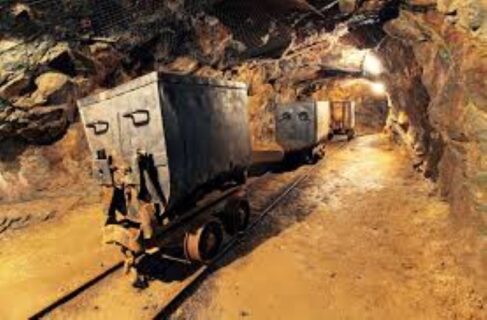
As demand for critical minerals continues to increase, the winning countries and top mining companies in this changing landscape will not necessarily be those with the largest reserves. The winners will be those that can combine mining, refining, and manufacturing into resilient, geopolitically aligned supply chains.
Top Mining Countries in the World in 2024
Reported February 15, 2024 – Mining is crucial to supplying the essential raw materials required for infrastructure, technology, appliances, vehicles, and consumer goods globally. Choosing the right locations for mineral exploration and development depends on resource availability and a country’s mining policies.
The top mining jurisdictions in the world feature mineral-rich geology and mining-friendly governments. The leading mining countries include Australia, Chile, China, Russia, Canada, Brazil, the Democratic Republic of Congo (DRC), South Africa, and the United States. However, many counties face challenges like political instability, corruption, excessive taxes, inadequate infrastructure and environmental damage that inhibit responsible resource development.
Below are the top mining countries in the world in 2024:
Australia

Australia is the world’s top mining nation overall as it is the largest producer of bauxite, iron ore, lithium and a top global producer of coal, aluminum, copper, gold, manganese, nickel, silver, uranium, and zinc.
The county also holds the world’s largest mineral reserves and the worlds largest recoverable resources of brown coal, nickel, rutile, lead, uranium, zircon and tantalum. The country also holds abundant reserves of gold, iron ore, copper, bauxite, lithium, zinc and manganese silver. The mineral rich states in the country include Victoria, Tasmania, Northern Territory, Queensland, New South Wales. The state of Western Australia holds the biggest reserves valued at over US $ 1 trillion in mineral resources.
Various factors have enabled Australia to be a global leader in the mining industry and these include mining-friendly policies, stable government, transparency, advanced technology expertise, and crucial proximity to Asian export markets. The major mining companies in Australia are BHP, Rio Tinto, Fortescue Metals, Roy Hill, OZ Minerals, South32, Newcrest and Lynas Rare Earths.
Chile
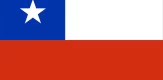
Being the world’s largest copper producer and lithium supplier, Chile is home to half the world’s lithium reserves and a quarter of the global copper reserves. The mining sector also accounts for close to 14% of the country’s Gross Domestic Product (GDP).
Chile is the home to the world’s largest copper miner, Codelco which is a state-owned company. Other key copper miners are Anglo American, Collahausi JV, Antofagasta Minerals, BHP’s Escondida mine. The country’s copper mining region stretches from Antofagasta in the north to Santiago in the south.
The Atacama region in Chile at the Andes Mountain range in brine lakes is home to the highest lithium concentrations globally. SQM and Albermarle are the main lithium miners who extract lithium carbonate foe lithium-ion batteries.
Supportive policies, investment incentives, stable government and superior infrastructure like its extensive private railway network that connects mines and ports make Chile globally attractive for mining investment.
China

China controls a significant portion of over 60% of the global market share of rare earth elements (REE). The country dominates the production of phosphate, nitrogen, potash, salt and cement globally. It is self-sufficient in most mineral commodities apart from petroleum and metallurgical coal.
China is the global leader in the production of gold, coal, antimony, magnesium, tin, zinc, tungsten and manganese. It also has the largest reserves of lead, strontium, phosphate rock, graphite, barite, molybdenum and fluorspar.
The major challenges the country faces in the mining sector are illegal mining, rising costs, unethical mining practices, declining ore grades, safety and pollution issues.
The Chinese government in an effort to improve efficiency, lower emissions and raise safety standard is consolidating the industry into larger vertically integrated firms.
State-owned giants dominate China’s mining industry including Shenhua Group, China Coal Energy, Aluminum Corporation of China, Jiangxi Copper, Zijin Mining, China Northern Rare Earth Group and others.
Russia
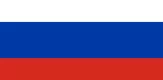
Russia holds abundant reserves of gold, nickel, timber, copper, oil, natural gas, aluminium and iron ore which spans 12 time zones.
The country is also among the top three nickel, platinum and palladium producers and vies with Australia for second place globally in gold production after China.
The country’s governance challenges, infrastructure gaps in the far East, poor worker safety and high production cost have inhibited growth of the sector. Western sanctions on Russia’s major mining players have also greatly impacted investment and access to new technologies. The major sector players include Rusal, Evraz, Severstal, Polyus, Rosatom and MMC Norilsk Nickel among others.
Canada

Canada ranks among the top five worldwide producers of uranium, aluminium, potash, cobalt, tungsten, diamonds, titanium concentrate and platinum group metals. This is back by the fact that it had an estimated US $100 billion in minerals produced in 2022 spanning over 60 minerals and metals.
The country’s stable government, low political risks, environmental best practices and advanced expertise mining technologies have attracted investment in the sector. This is also backed by the superior mining infrastructure like extensive rail networks and ports enables vital access to export markets. Canada hosts abundant deposits of silver, nickel, cobalt, gold, graphite, lithium and rare earth elements.
All provinces and territories actively support mineral exploration and development with mapping, surveying, drilling incentives and research. Key companies include nutrient giant Nutrien, global gold leader Barrick Gold, renowned intermediate miner Teck Resources, copper/zinc miner Hudbay Minerals and uranium giant Cameco among many others.
Democratic Republic of Congo
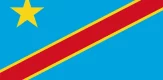
The Democratic Republic of Congo holds over 70 % of the global cobalt reserves, abundant reserves of copper and boast rich diamond deposits, gold, tin, tungsten and tantalum. The mining sector provides direct jobs to hundreds of thousands of Congolese.
Despite its immense mineral riches, the Democratic Republic of Congo (DRC) faces massive problems that make responsible mining investment difficult. These include pervasive government corruption, lack of transparency, armed rebel conflicts funded by control over mines, inadequate infrastructure and unethical mining practices.
The major DRC miners include Swiss owned Glencore, China Molybdenum which controls the giant Tenke Fungurume complex, Chemaf which mainly produces copper and cobalt, Belgian miner Umicore and others. But opaque government deals for mining rights and insufficient measures to curb rampant illegal mining hamper the development of Congo’s mineral resources.
Brazil
Brazil features the world’s largest niobium, third-highest iron ore and third-largest bauxite reserves globally. It ranks as a top producer of gold, tin, lithium, nickel, gemstones and other minerals as well.
However, excessive bureaucracy, high taxation, corruption, inadequate rail and port capacity, complex environmental regulations and illegal mining deter optimal mining investment currently.
Brazil’s richest mineral producing regions are the southeastern quadrilateral spanning Minas Gerais to Ceará states, Carajás in northern Pará state and the Amazon region. Vale is the country’s largest miner globally renowned for its world-class Carajás iron ore complex. Anglo-American, Belo Sun and lithium startup Sigma Lithium are also prominent.
Government initiatives to auction mining rights, crack down on illegal mining, streamline permitting and expanding infrastructure spending aim to boost responsible mining investment.
United States
The mining industry in the United States contributed US $110 billion to its Gross Domestic Product (GDP). This is due to the fact that the country holds significant mineral reserves and is a global leader in the production of gold, copper, rare earths, salt, molybdenum, zinc, zeolites, phosphate rock and soda ash
Leading U.S. mining states include Arizona, Nevada, Alaska and Montana. However, stringent permitting, complex regulations, rising costs and public opposition create barriers to domestic mining projects. The US imports the majority of key metals for electric vehicles and electronics such as cobalt, graphite, lithium and manganese to feed its manufacturing and defense industries.
Prominent American mining companies include Freeport McMoRan, Newmont, Barrick USA, Southern Copper and lithium producer Albemarle. Enabling domestic access to more mineral resources through expedited permitting while honoring environmental standards remains a key priority to support its EV, battery and advanced tech manufacturing leadership.
Ultimately each major mining country faces specific policy, governance, infrastructure and sustainability challenges inhibiting greater advancement and development. Both major and junior miners play important roles in discovering and developing new ethical mineral projects especially in this growing world of transitioning to clean energy and demand for diverse battery metals, rare earths, uranium and more will continue rising substantially.
Governments also need to implement more transparent regulatory frameworks and develop proper infrastructure. They should also initiate fair resource deals, look at efficient permitting and competitive fiscal terms to boast more investment in the mining sector.
Where Specific Key Metals are Mined in the World:
Gold
Controlling about 13% of the global output, China is the world’s largest gold producer with Russia, Australia, USA and Canada following in that order.
The major gold miners worldwide include Newmont, Barrick Gold, AngloGold Ashanti, Polyus, and Gold Fields. Notable gold deposits exist in Western Australia’s Goldfields region, the Witwatersrand Basin in South Africa, the Carlin Trend and Battle Mountain Eureka in Nevada USA, the Abitibi belt in Canada and Quebec, the Guinea Shield region in Africa, and the Pueblo Viejo mine in the Dominican Republic.
Advancing gold projects face rising costs, permitting delays, resource nationalism, and depletion of grades at existing mines. They are also at the center of protests over environmental impacts.
Silver
The top silver mining countries include Mexico, Peru, China, Russia and Poland. Mexico produces nearly a quarter of the annual global silver mine supply. The majority of silver comes as a by-product from copper, zinc and gold mines around the world.
Besides Mexico producing close to a quarter of the global annual global silver supply, it is closely followed by Peru, China, Russia and Poland. The majority of silver comes as a by-product from copper, zinc and gold mines around the world.
The top mining companies for Silver are KGHM Polska Miedz, Fresnillo, Glencore and Polymetal. Notable regions include the silver-rich Keno Hill district in Canada’s Yukon territory near Alexco Resource’s mines, Revett Minerals in Montana USA, the Imiter mine in Morocco owned by Managem Group, and BHP Billiton’s massive Cannington mine in Queensland Australia.
Declining silver ore grades present challenges similar to gold. The average mined silver grade dropped from nearly 300 g/t in the 1970s to barely 80 g/t today, driving production costs higher despite technological improvements. However, silver demand for electronics, solar panels, medicine and investment is rising substantially which should sustain longer-term prices.
Uranium
40% of the global uranium supply comes from Kazakhstan, closely followed by Canada at about 13% and Australia at 12% of the market share. Mining of uranium is mainly active in the areas of Saskatchewan’s Athabasca Basin and Western Australia.
Top uranium mining companies are Orano, BHP, Cameco and state-owned Kazatomprom dominating Kazakh production. Namibia also has a significant amount of out from its Husab, Rossing and Langer Heinrich mines.
Uranium prices have picked up quite well compared to the last decade due to the rising demand for nuclear power as a stable clean energy source.
Battery Metals
The Democratic Republic of Congo (DRC) controls about 70% of the global cobalt output and closely followed by Russia and Australia. Battery metals crucial for electric vehicles and energy storage include lithium, cobalt, nickel, graphite and manganese.
China controls the lions share of processed graphite and manganese. Indonesia has also positioned itself as a top nickel producer from its abundant laterite deposits. Chile and Australia are also leading in lithium production from brine deposits and hard rock spodumene mining respectively.
Rising EV metals investment is concentrated in Australia, Canada and the U.S. amid government pushes to build robust rare metals supply chains domestically. Juniors like Jervois Global, Electra Battery Materials and Nouveau Monde Graphite are also expanding North American output.
Rare Earth Elements
China currently controls over 60% of the world’s rare earth elements (REE). This positions it in strategic control of the global supply chain. Despite the naming, REEs are abundant globally however substantial processing is required to extract usable rare earth oxides, metals and magnets from the ore.
Other REE mining countries include USA, Myanmar and Australia. There is also a growing output in Africa and Canada provided costs of production can be managed.
Renewable energy and electric transportation which requires more metals like copper, nickel, lithium, and rare earths is paving way for a metals Supercycle. Supply limitations loom from declining discovery rates and ore grades coupled with the longer lead times exceeding a decade and rising development cost.
Also read: Rio Tinto’s $20B Guinea Iron Ore Mining Project : World’s Biggest
Also read: Factors Affecting the Performance of Heavy Haulage Vehicles in Mining