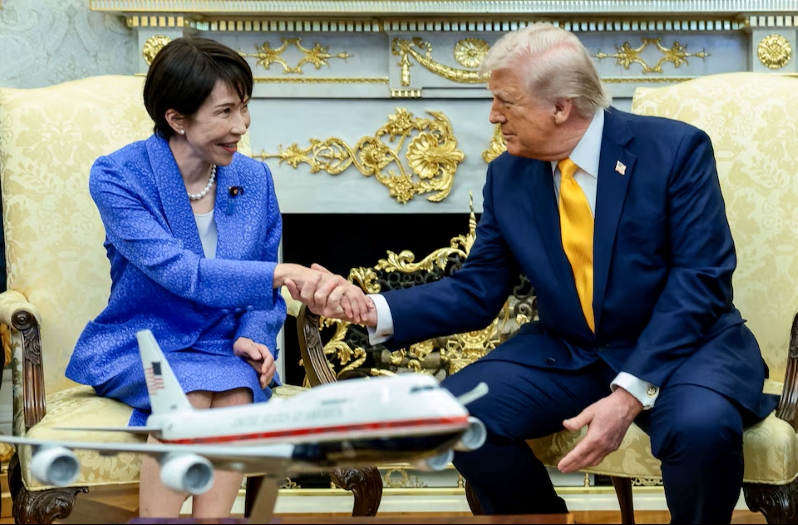
US and Japan have announced a $73 billion deal on energy projects spanning nuclear and natural gas, and have also agreed on plan for rare earths and critical minerals development in a bid to diversify from China.
The energy projects and rare earths and critical minerals development collaboration is as follows:
US-Japan energy infrastructure investments:
Small modular nuclear reactors (SMRs). A combined $40 billion investment in SMR development with industry partners such as GE Vernova and Hitachi, focusing on new generation nuclear capacity in Tennessee and Alabama. These are intended to provide reliable, low-carbon baseload power.
Natural gas power plants. New combined gas generation projects valued at approximately $33 billion in Pennsylvania and Texas to ensure grid stability and support data center energy needs.
US-Japan rare earths and critical minerals action plan:
The agreed coordinated action plan between the US and Japan aims to:
- Diversify critical minerals and rare earths supply chains in lithium, nickel, gallium, fluorite.
- Deploy price floor mechanisms to counter economic distortions in global markets and deter reliance on dominant suppliers like China.
- Establish joint projects spanning recycling, processing, and material development.
- Launch a new US-Japan working group for deep-sea mineral research and potential resource cooperation.
This is also in line with President Donald Trump launching a $12 billion critical mineral reserve in early February. The move was to counter China’s use of its dominance of the metals and minerals sectors as leverage in trade talks. President Trump also said that the billion-dollar scheme known as Project Vault is out to “ensure that American businesses and workers are never harmed by any shortage”.
The US is also at the center of another critical minerals development with South Korea after company, Korea Zinc announced the solicitation of a $2.35 billion loan to fund the construction of a smelter plant. The Seoul-based company notes the importance of the plant in helping the US increase its domestic manufacturing and metal-processing capacity.
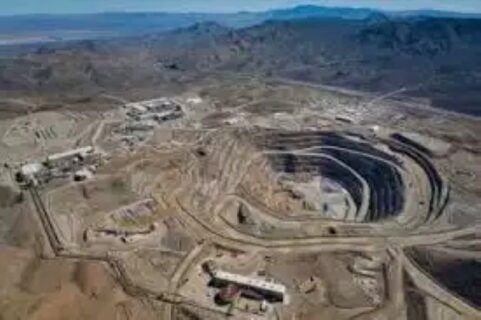
Why is the US-Japan deal on energy projects, rare earths and critical minerals important?
US and Japan jointly unveiling collaboration on energy and critical mineral initiatives during a bilateral summit in Washington, DC is a show of deeper strategic alignment between the two allies. The timing of the announcement is also key. The announcement came at a time shadowed with backdrop of intensifying global competition for energy security and supply chains amid geopolitical tensions involving major producers like China.
The recent US-Japan deal on energy projects and critical minerals and rare earths development also tells of the two countries’ imperative to bridging economic and national security. This is with an aim to diversify energy sources and strengthen critical minerals supply chains. Also paramount to the whole agreement is the reduction of dependence on non-allied suppliers like China.
Finance and policy alignment of the US-Japan collaboration agreement
The US-Japan deal on the projects also reflects the countries’ assessments that energy and critical minerals and rare earths development security are now priorities closely tied to economic resilience and defense industrial bases.
The investments are expected to use public funds, private capital, and multilateral cooperation. This will be used to scale supply chain capacity and mitigate risks associated with concentrated foreign sources.
Outlook on the latest US-Japan deal on energy projects and critical minerals and rare earths development
The US-Japan collaboration is also a continued shift toward allied coordination on resources and energy infrastructure. For industry stakeholders, this opens opportunities in nuclear technology deployment, advanced materials development, and mining and processing sectors.
Challenges to look out for:
Geopolitical tensions. Actions aimed at supply diversification could escalate trade tensions with non-allied dominant mineral suppliers like China. This could potentially trigger retaliatory policies as recently witnesses in the Trump Administration.
Market uncertainty. Price floor mechanisms and regulatory trade adjustments may introduce complexities for market participants. These include pricing volatility and supply constraints.
The scale of implementation. Coordinating multinational projects across varied regulatory channels and technology standards poses logistical and legal challenges.
Leave a Reply