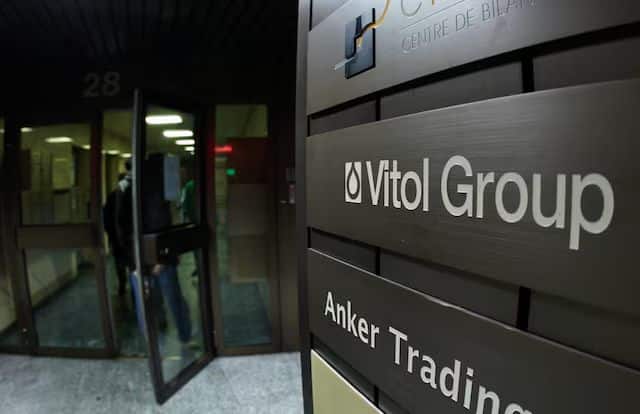
Global energy trader, Vitol supports the $3 billion liquefied natural gas (LNG) power plant project at the South Africa’s Port of Durban. The project plans to provide electricity to the country’s national grid using imported LNG.
Developers plans to to regasify LNG and use it to fuel high-capacity turbines. Project team is not only doing feasibility studies but also engaging regulators to advance approvals.
Project Scope and Technical Framework
The facility will comprise the LNG import facilities, regasification units, gas turbines and grid interconnection systems. Moreover, the engineers are evaluating floating storage and regasification units (FSRUs) to accelerate offshore deployment.
South Africa is still struggling with the shortage of electricity supply as a result of old stations that are being fueled by coal. Gas-fired generation is viewed by policymakers as an extension of the current grid, which can be expanded and is flexible.
Commercial support and LNG supply arrangements has been structured by Vitol. Furtherly, developers are negotiating financial frameworks and documenting regulatory submissions. Upon approval of the commercial agreements, construction of the plant will begin.
The liquefied natural gas development is on the rise in other parts of South Africa besides Durban. The given Vitol LNG-to-power project is in line with Transnet to Invite Bids to Construct LNG Terminal at Richards Bay, South Africa, which covers the program of the large LNG importation plant in KwaZulu-Natal. The two developments, combined, are indicators of systematic work to improve the gas infrastructure, improve on energy security, and speed up the shift in the country to cleaner power production.
Strategic Location at Durban Port
Durban serves as a major maritime and logistics hub. This is ideal for the project planners due to proximity thus reducing transport costs and streamlining imports.
Transnet also takes care of the port infrastructure and logistics regarding development. Furthermore, the project team are compiling all the planning with the national port regulations.

Regulatory and Grid Integration
Department of Mineral Resources and Energy is in charge of energy policy advice and licensing of projects. Developers are seeking the department approvals.
Eskom is the operator of the national grid. Teams are evaluating the capacity of transmitter and technical considerations towards the ease of integration.
Economic and Energy Context
During the project, engineering, procurement and construction of the project will provide employment. When the plant comes into operation, it will be governed by operational staff. Moreover, the port services and other logistics activity will be triggered by the development.
The generation by gas emits less carbon as compared to coal. Policymakers consider LNG as a temporary energy in the decarbonization agenda of the country and remain reliable.
Technical, financial and regulatory milestones are being evaluated by the developers. The project team will also update the timelines as soon as major approvals are completed.
Project Fact Sheet: LNG Power Plant at Durban Port
- Project Name: Vitol LNG-to-Power Facility
- Location: Durban, South Africa
- Total Investment: $3 billion
- Project Type: LNG import and gas-fired power generation
- Primary Components: LNG import system; Regasification units; Gas turbines; Grid interconnection
- Fuel Source: Imported liquefied natural gas
- Objective: Strengthen energy security and diversify generation sources
- Status: Proposed; feasibility and regulatory processes ongoing
LNG Power Plant at Durban Port Project Team
Project Backer / Commercial Partner
- Vitol – Provides commercial backing and LNG supply support.
Project Developers / Sponsors
- South African private sector energy developers currently structuring the project.
Port & Infrastructure Authority
- Transnet – Oversees port infrastructure coordination and logistics.
Regulatory & Energy Authorities
- Department of Mineral Resources and Energy – Guides energy policy, approvals, and licensing.
- Eskom – Coordinates grid integration and potential power offtake arrangements.
Leave a Reply