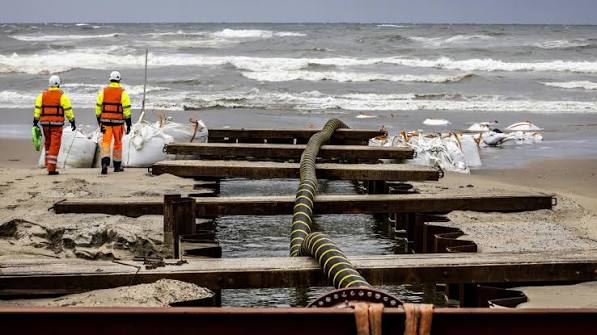
Construction has begun on a new cable landing station on Washington’s Pacific coast, creating a new gateway for subsea cables connecting the Pacific Northwest with international networks in the Asia-Pacific region.
The facility, developed by Toptana Technologies, is designed to accommodate up to four subsea cable systems and connect those cables with terrestrial fiber networks. The project broke ground on September 2, marking the start of construction on infrastructure intended to expand international connectivity into and out of Washington.
The first subsea system planned for the facility is Amazon Web Services’ Sta’O’Nuk cable, which will use the station as its Washington landing point.
The project is expected to become Washington’s first new cable landing station in more than 25 years, according to Toptana.
Facility Designed for Multiple Subsea Cables
The cable landing station will provide the physical connection between subsea communications cables and terrestrial fiber infrastructure.
Rather than serving only one cable, the facility has been designed to accommodate as many as four subsea cable systems. That configuration will allow the site to support additional international connections as network demand expands.
The first planned system, Sta’O’Nuk, will connect Washington with Japan. Amazon says the cable is expected to enter service in 2029 and will provide 420 Tbps of capacity across 20 fiber pairs.
Toptana will provide the Washington landing station and backhaul network services for the system. The facility will form part of the terrestrial infrastructure supporting the cable’s U.S. landing.
Project Adds New International Connectivity to Washington
The project will establish another physical pathway for international data traffic entering and leaving the Pacific Northwest.
The landing station will connect into terrestrial fiber networks, including infrastructure along the Interstate 5 corridor toward Seattle, Washington, and Hillsboro, Oregon. This connection will allow traffic arriving through subsea cables to move into regional terrestrial networks.
The additional infrastructure comes as cloud computing and global data traffic continue to increase demand for high-capacity international connectivity.
The facility’s ability to accommodate additional subsea systems also gives the project a longer-term role beyond the initial Sta’O’Nuk deployment.
Quinault Indian Nation-Owned Infrastructure
Toptana Technologies, an Indigenous-owned telecommunications infrastructure company established by the Quinault Indian Nation, is developing the facility.
Assured Communications serves as the project’s strategic partner, program manager and operations service provider. Its responsibilities cover planning, development, construction and long-term operation of the cable landing station.
The project also carries cultural significance through the Sta’O’Nuk cable. The name means “lightning serpent” in the Quinault language, and the Quinault Indian Nation granted Amazon permission to use the name.
Construction Marks Start of Long-Term Connectivity Project
The September 2 groundbreaking moves the project from development into construction.
Once completed, the cable landing station will provide the Washington landing point for the Sta’O’Nuk system while retaining capacity for up to three additional subsea cable systems.
That expandable design gives the facility a longer-term role beyond the initial cable deployment. Its infrastructure will support additional international routes and increase connectivity options for the Pacific Northwest.
The project also represents a significant addition to Washington’s subsea communications infrastructure after more than two decades without a new cable landing station.
The cable landing station adds new communications infrastructure to Washington at a time when major projects across the United States are expanding capacity for both traditional industries and the digital economy. In Kentucky, a $1 billion transformation of Louisville’s Appliance Park is similarly expanding domestic industrial capacity, with new production planned across three manufacturing buildings.
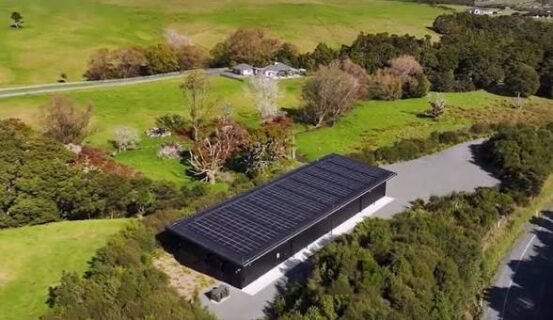
Toptana Cable Landing Station: Project Factsheet
- Location: Ocean Shores, Washington
- Construction: Groundbreaking held September 2, 2026
- Capacity: Up to four subsea cable systems
- First planned cable: AWS-owned Sta’O’Nuk
- Sta’O’Nuk expected service: 2029
- Sta’O’Nuk capacity: 420 Tbps
- Sta’O’Nuk fiber pairs: 20
- Function: Connect subsea cables with terrestrial fiber networks
- Initial connectivity: Washington to Japan
- Backhaul: Terrestrial connectivity toward Seattle and Hillsboro
- Developer: Toptana Technologies
- Owner: Quinault Indian Nation
- Program manager and operations service provider: Assured Communications
- Washington significance: Expected to be the state’s first new cable landing station in more than 25 years

Leave a Reply