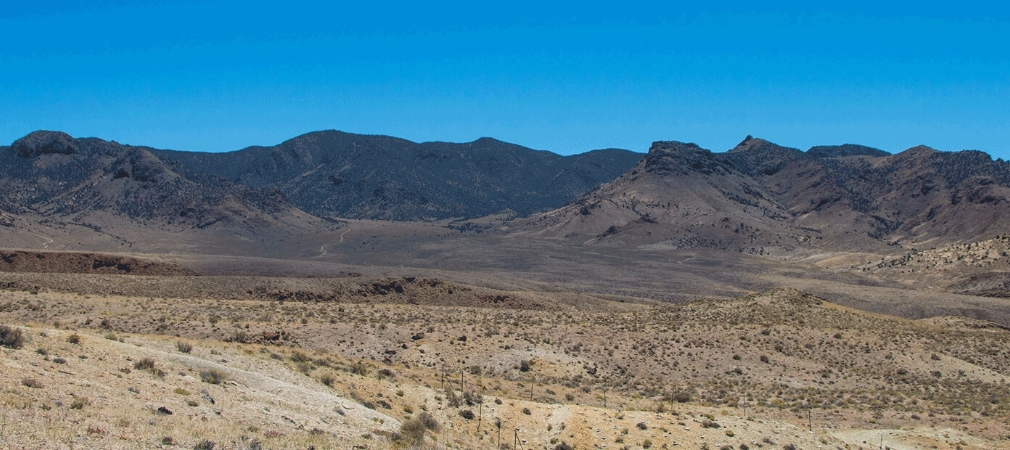
The $2 billion Rhyolite Ridge lithium-boron project in Nevada has cleared a major legal hurdle, but the path to construction is only just beginning. Following a recent federal court decision allowing the project to move forward, attention is now turning to the next phase of development, including final permitting steps, financing execution, and the timeline toward breaking ground.
Developed by Ioneer Ltd., the Rhyolite Ridge project is one of the largest proposed lithium sources in the United States. The project has faced years of regulatory and environmental scrutiny, making the recent court ruling a significant milestone in its progression.
What the Court Decision Means
The court ruling, delivered on March 30, 2026, effectively removes a key legal obstacle that had threatened to delay or derail the project. While not the final approval required to begin construction, the decision allows federal agencies and the developer to proceed with remaining steps in the permitting process.
Legal challenges had centered on environmental concerns, particularly related to protected plant species in the project area. With the ruling now in place, the project regains momentum after a prolonged period of uncertainty.
Remaining Permits and Approvals
Despite the legal progress, several regulatory steps remain before construction can begin. The project still requires final federal and state-level clearances, as well as compliance with environmental mitigation measures tied to earlier approvals.
These processes are expected to continue through 2026, with timelines dependent on regulatory coordination and any additional reviews that may be required. While the recent decision reduces legal risk, it does not eliminate all potential hurdles.
Construction Timeline
With the legal pathway clearer, focus is shifting toward execution. If remaining approvals are secured on schedule, construction could begin as early as late 2026.
The project is expected to take several years to build, with initial production targeted toward the latter part of the decade. At full capacity, Rhyolite Ridge is projected to supply lithium sufficient for hundreds of thousands of electric vehicles annually.
Key Risks and Challenges
Even with the court ruling, the project faces a number of challenges that could influence its timeline. Environmental considerations remain a central issue, and compliance requirements could affect construction planning and costs.
Financing and market conditions also play a role. While demand for lithium remains strong, price volatility and broader economic conditions could impact investment decisions and project pacing.
In addition, large-scale mining projects typically encounter execution risks during construction, including supply chain constraints, labor availability, and cost management.
Why the Project Matters
Rhyolite Ridge is part of a broader push to expand domestic production of critical minerals used in battery manufacturing. As demand for electric vehicles continues to grow, securing reliable sources of lithium has become an increasing focus for industry and policymakers.
The project’s scale and location position it as a potential contributor to U.S. lithium supply, though its ultimate impact will depend on successful development and long-term operational performance.
Looking Ahead
With a key legal hurdle now resolved, Rhyolite Ridge has moved into a new phase defined by execution rather than uncertainty. The coming months will be critical as the project advances through final approvals and prepares for construction.
While challenges remain, the court decision marks a turning point, shifting attention from whether the project can proceed to how and when it will be built.
The Rhyolite Ridge lithium-boron project in Nevada marks a major step forward for domestic battery materials, while the recently announced financing for the Direct Reduction (DR) grade iron ore mine and pellet plant in Nashwauk, Minnesota highlights ongoing investment in U.S. steelmaking infrastructure. Together, these projects underscore the broader effort to strengthen domestic industrial supply chains across both traditional and emerging sectors.
Rhyolite Ridge Lithium-Boron Project — Factsheet
- Location: Esmeralda County, Nevada, United States
- Developer: Ioneer Ltd.
Project Overview
- Lithium and boron mining + on-site processing facility
- One of the largest proposed lithium sources in the U.S.
Project Value
- $2 billion
Latest Development
- U.S. federal court upheld prior approval, removing a major legal barrier (Late March 2026)
- Project can proceed toward construction phase
Permitting Status
- Federal approval (Record of Decision): October 2024
- Environmental review completed
- Legal clearance confirmed in 2026
Financing
- $996 million loan guarantee from U.S. Department of Energy
- Additional private funding in progress
Timeline
- Construction start: Expected late 2026
- Production: Target 2028–2029
Production Capacity
- Lithium supply for 370,000–400,000 EVs annually
Employment
- 600 construction jobs
- 250–300 operational jobs
Key Challenges
- Environmental concerns (Tiehm’s buckwheat)
- Remaining financing and execution risks
Current Status (April 2026)
- Stage: Advanced / pre-construction
- Next step: Final financing and start of construction

Leave a Reply