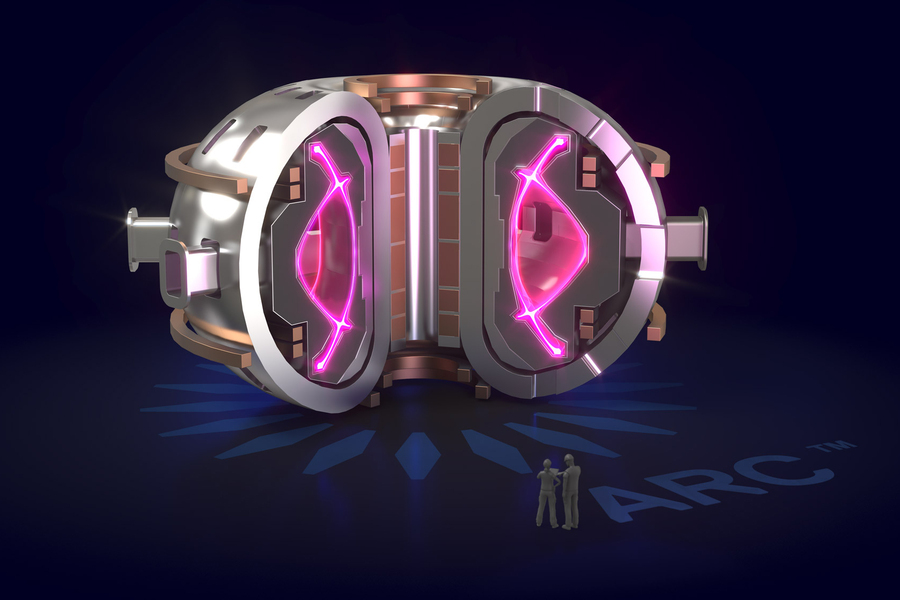
Construction of the world’s first commercial fusion plant takes shape as Commonwealth makes plans for implementation. The firm aims to construct the first commercial fusion plant in Virginia in 2027. The search for more sites is underway as noted by head of Commonwealth Fusion Systems in an interview. Moreover, the Massachusetts-based firm has raised about $3 billion in private money.
These funds are more than any other firm looking to build fusion plants. They also aim to start generating power in the early 2030s. Fusion energy has been an elusive source as scientists have been trying to harness it for atleast 50 years.
However, backers say it is getting closer to becoming commercially viable as money pours in. Fusion is the opposite of nuclear fission, which splits atoms, creating a chain reaction and long-lasting nuclear waste.
The U.S. is not the only country working towards attaining fusion energy as European nations also make the effort to ensure development of this elusive energy. One of them is ITER also known as International Thermonuclear Experimental Reactor. It is a significant project to show that nuclear fusion is a viable, renewable resourceful and, practically inexhaustible source of energy. It is the World’s Largest Fusion Reactor based in St Paul lez Durance, in the south of France.
Scope of Implementation on the World’s First Commercial Fusion Plant
The demonstration for the world’s first commercial fusion plant was seen in a recent demonstration in Massachusetts. Bob Mumgaard, CFS co-founder and CEO, said the company’s demonstration fusion machine in Massachusetts is more than 75% complete and will turn on in 2027. “Then immediately we’ll go as fast as we can to construction of the first commercial power plant in Virginia,” he said, adding that a less-likely 2026 start is possible.
The 400-megawatt Virginia plant, less than half the size of a typical nuclear fission reactor, is also getting its permits. “We still have a couple more on the electricity side,” he said. “The goal is to be able to line that up so that as soon as capital is available, we can actually go build that project.” From there, Commonwealth hopes to build more plants, perhaps in the eastern U.S. Rust Belt, where coal plants have closed in recent years, or in the U.S. West.
“We have a robust … ground game of looking at sites,” Mumgaard said. Once complete, fusion energy technology will benefit lots of nations not only in the U.S. The UK, Germany, Japan, Korea and Singapore are also other places where fusion could reduce dependence on liquefied natural gas and uranium fuel for gas and nuclear plants.
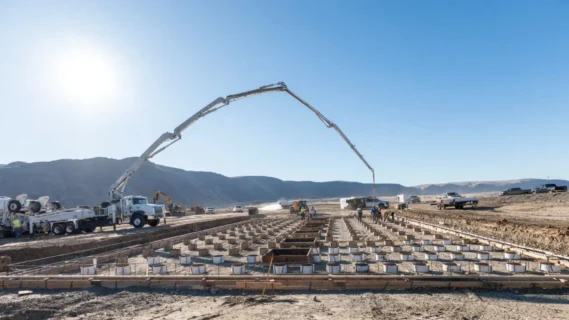
Project Overview
- Project Name: Commonwealth Commercial Fusion Plant
- Location: Virginia
- Estimated Investment Value: $3 Billion+ (funding raised)
- Project Type: Fusion energy power plant
Timeline
- 2027: Planned start of construction
- Early 2030s: Target for power generation
- 2027: Demonstration reactor completion (Massachusetts)
Site & Scale
- Planned Capacity: ~400 MW
- Type: First commercial-scale fusion plant
- Additional sites under evaluation across the U.S.
Project Teams
- Developer: Commonwealth Fusion Systems
- CEO: Bob Mumgaard
Infrastructure Scope
- Fusion-based power generation facility
- Advanced reactor using fusion (not fission)
- Supporting grid and plant infrastructure
Strategic Objectives
- Commercialize fusion energy technology
- Provide clean, low-waste power generation
- Reduce reliance on fossil fuels and traditional nuclear
- Scale future fusion plants globally
Challenges
- Technology still emerging and not yet commercially proven
- High capital requirements
- Permitting and regulatory approvals ongoing
Current Status
- Demonstration reactor ~75% complete
- Permitting underway for Virginia plant
- Construction targeted to begin once approvals and funding align


Leave a Reply