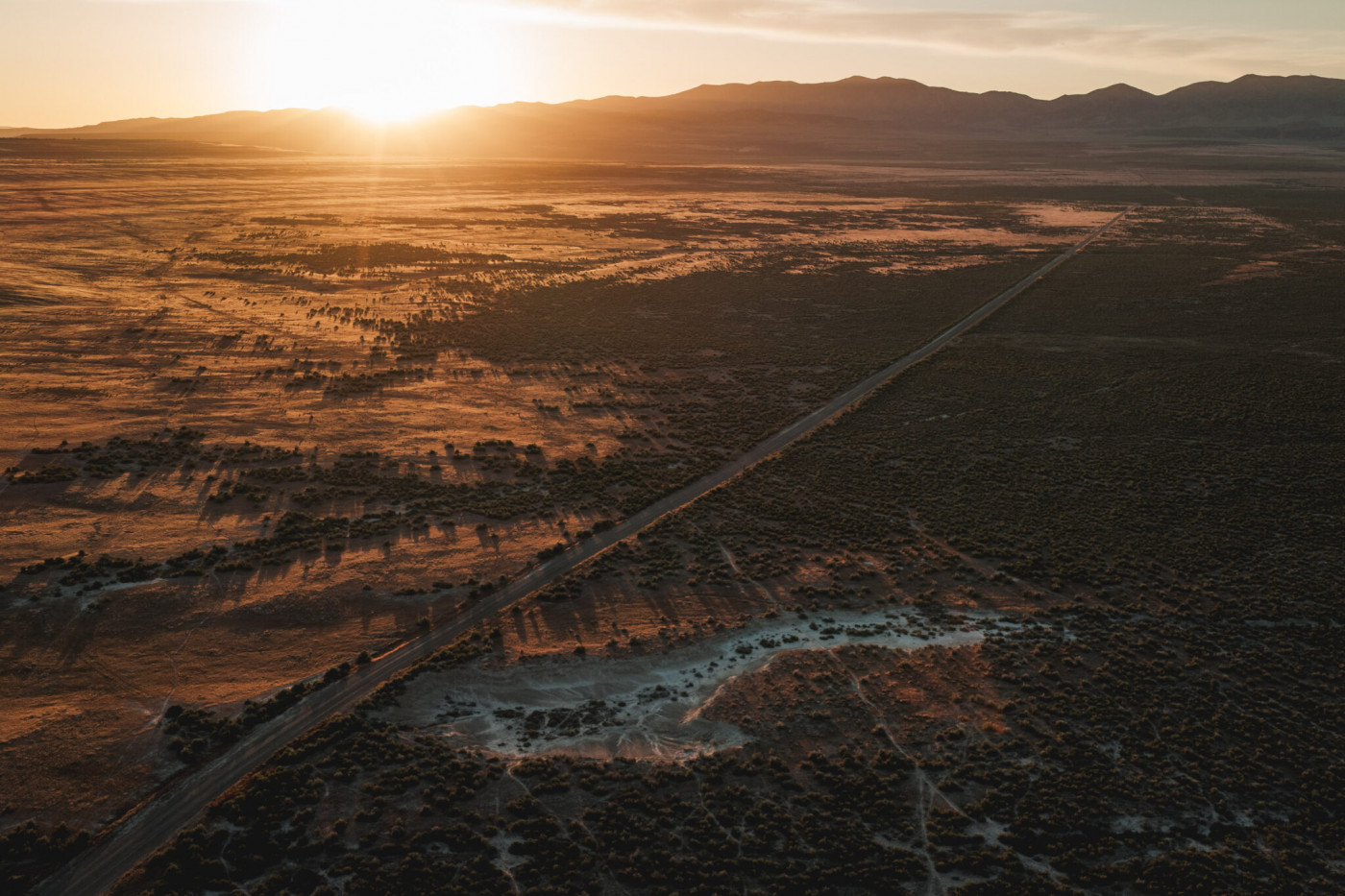
The world’s largest Stratos data center project in Box Elder County, Utah is to scale back as O’Leary provides latest insights. The developer noted the campus is getting about 20,000 acres smaller while the building themselves will cover less ground. Celebrity investor Kevin O’Leary on Thursday responded to “significant” demands from Senate President J. Stuart Adams. He agreed to remove 19,430 acres around Locomotive Springs and another 620 acres near Interstate 80 from the Stratos Project data center site.
The data center campus will be on a smaller footprint, likely 10,000 acres or less. On the other hand, the remaining area left as open land between buildings and for possible solar power and battery arrays. “It certainly, under this new profile, will not be the largest data center in the world,” O’Leary said. “That’s off the table.” He also said he took some time to respond to Adams’ demands because he had to talk with engineers, designers and the project’s five tenants.
It is a significant scale back from the initial project area proposal approved by Utah’s Military Installation Development Authority in April. In the proposal, the Stratos Project would have encompassed 40,000 acres with plans for a 9-gigawatt data center campus and on-site power generation at full buildout. Another project taking shape is the nine building data center taking shape in Wheatfield, Indiana. The firm presented Its plans for the data center during a recent open house at Kankakee Valley High school. In the presentation, it noted it was looking to build a campus with up to nine buildings on a 304-acre plot of land. However, the land in question is currently owned by the Northern Indiana Public Service Company (NIPSCO).
Scope of Implementation on the Stratos Data Center Project in Utah
The Stratos data center project in Utah is being scaled back mostly due to intense public pressure against the data center. Adams acknowledged this as he cited “public feedback and further review” as the reason for his call to scale back the project. O’Leary wrote that his team already is aligned with the standards Adams set for water, land, heat, environmental performance and transparency.
He also agreed to a memorandum of understanding with the Utah Department of Natural Resources related to wildlife, agriculture and open space. Moreover, he agreed to commission a scientific analysis of thermal load, incorporate heat-capture technology where it’s possible to do so and work with the state to build a website consolidating all permitting and approvals.
O’Leary also wrote that there’s been widespread misinformation about the project, reiterating what he’s said in multiple interviews and social media posts. He ended the letter by telling Adams that he took the Monday letter from the state’s top lawmaker as holding him to a high standard and welcoming discussion on potential changes to the project.
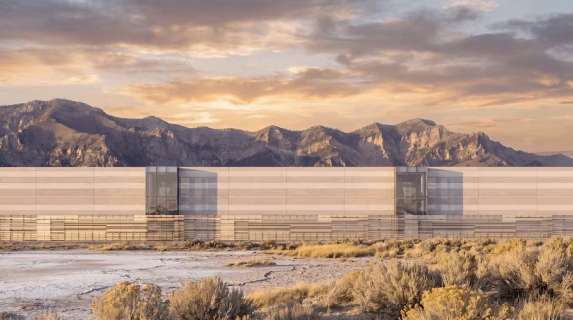
Project Factsheet:
- Project Name: Stratos Data Center Project
- Location: Box Elder County, Utah, USA
- Estimated Investment Value: US$100 Billion
- Project Type: Hyperscale Data Center Campus & Energy Infrastructure Development
Timeline
- Initial project proposal approved in 2026
- Project redesign and scale-back announced in 2026
- Environmental and permitting processes ongoing
- Development schedule remains subject to approvals and revisions
Site & Scale
- Original site area: 40,000 acres
- Revised site footprint: Approximately 10,000 acres or less
- Original planned capacity: 9 GW data center campus
- Remaining land to support open space, solar power and battery storage installations
Key Contractors/Stakeholders
- Developer: Kevin O’Leary
- Oversight Authority: Military Installation Development Authority
- Government Stakeholder: J. Stuart Adams
- Environmental Partner: Utah Department of Natural Resources
Infrastructure Scope
- Large-scale hyperscale data center campus development
- Planned solar power generation and battery energy storage systems
- Open-space preservation and wildlife protection measures
- Heat-capture technologies and environmental monitoring initiatives
Strategic Objectives
- Support large-scale AI and cloud computing demand
- Integrate renewable energy and energy storage solutions
- Balance economic development with environmental stewardship
- Enhance transparency through public permitting and project information platforms
Current Status
- Project footprint significantly reduced following public and government concerns
- More than 20,000 acres removed from the original proposal area
- Developer has agreed to additional environmental and scientific review measures
- Project remains under planning, permitting and stakeholder consultation stages

Leave a Reply