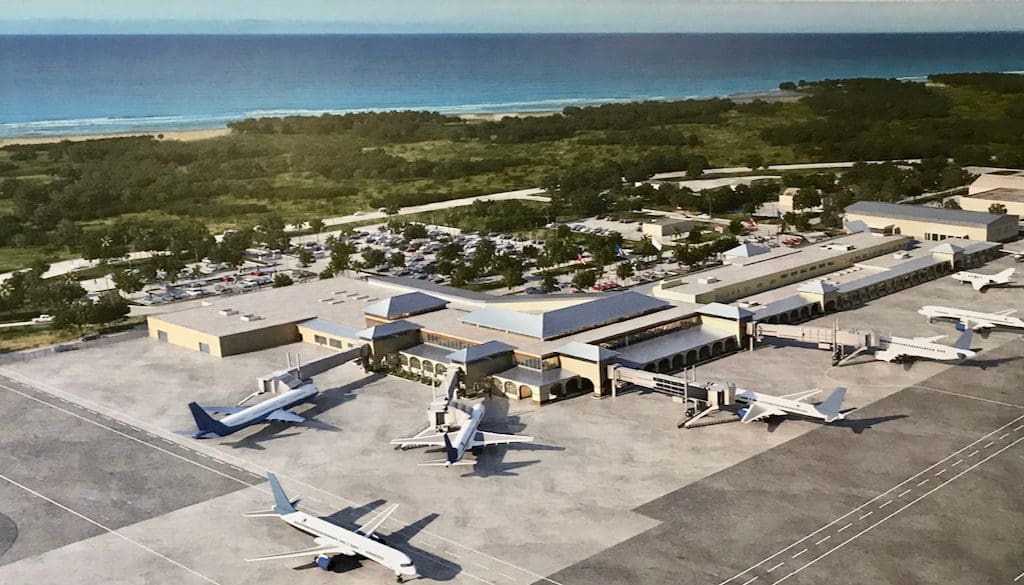
SkyCity airport redevelopment plans are advancing, sparking intense debate across the Virgin Islands. In particular, this $1.2 billion megaproject is designed to fully modernize two key regional airports. The Virgin Islands Port Authority has to balance this grand plan with a smaller airline plan. Instead, airlines would prefer a phased $785 million initial capital improvement plan. This fundamental disagreement is therefore entirely about the cost of passengers, the capacity of the infrastructure, and the financial risks in the long term.
Recently, SkyCity executives have stood up for their extensive financial modelling in response to the criticism from the airlines. Meanwhile, carriers said that too high a construction cost could significantly raise passenger fares. In the end, officials have a looming deadline to make this monumental infrastructure decision. Key airport redevelopment and expansion projects are making headway across the U.S. with airports such as the Austin Bergstrom International Airport in Texas endeavoring to achieve these prospects. The airport successfully completed an Airport System Revenue Bond sale that saw it secure the much needed funding. The transaction marks the largest bond sale in the history of the airport and the City of Austin. The funds will support near-term projects within the Airport Expansion and Development Program (AEDP).
SkyCity’s Comprehensive Vision vs. the Phased Airline Alternative
Comparing the two competing airport proposals reveals fundamentally different infrastructure approaches. First, the $1.2 billion SkyCity plan includes all-in capital costs. This includes construction, heavy seismic retrofitting, boarding bridges, and TSA processing improvements. The airlines, on the other hand, argue that only urgent and critical airport requirements should be addressed first. They take a staged approach to construction, which helps to reduce initial costs. But SkyCity Managing Director Steve Nackan was highly skeptical of the airlines’ cost estimates. He noted the airlines have not sufficiently engaged local engineers or tested construction variables yet. Importantly, both plans recognize that airline operating costs will need to rise significantly anyway. In the end, the SkyCity plan provides much more infrastructure for a slightly higher long-term airline rate.
Challenges on the SkyCity Airport Redevelopment Plans
The financial risks associated with the redevelopment plans of the SkyCity airport are still extremely complicated. The average cost per enplaned passenger is currently about $26, which is subsidized by external maritime subsidies. By 2031, SkyCity estimates this fee will rise to $126 to cover construction. But when passenger numbers decline, airlines have to take the hit themselves. In addition, the termination of the SkyCity project is estimated to cost $40 million. SkyCity explains that this is a result of three years of intensive design, engineering and due diligence efforts. The airlines have agreed to pay this penalty if the port authority gives up on SkyCity. As a result, officials have to choose between a full commitment or a fresh start.
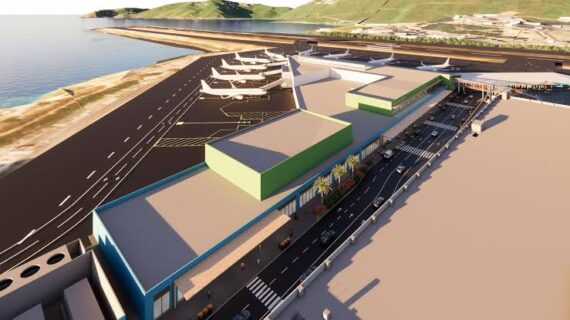
Project Overview
- Project Value: $1.2 Billion (SkyCity Plan) vs. $785 Million (Airline Plan)
- Location: Henry E. Rohlsen Airport (St. Croix) & Cyril E. King Airport (St. Thomas)
- Developer: SkyCity vs. Airlines Airport Affairs Committee
- Status: Nearing final decision; potential November 1 operational handover
Scope
- SkyCity: Comprehensive modernization of two Virgin Islands airports
- Airlines: Phased, smaller-scale initial capital improvements
- Seismic retrofitting, boarding bridges, and TSA processing upgrades
- Major adjustments to Customs and Border Protection facilities
Project Highlights
- SkyCity plan represents a fully loaded capital budget including financing
- Both proposals expect substantial increases in airline operating costs
- SkyCity anticipates 55 percent passenger growth over the long term
- Airlines offered to help cover a $40 million termination penalty
Key Developments
- SkyCity expects to finalize a definitive agreement with VIPA by August 31
- The developer hopes to assume operation of both airports on November 1
- Airlines recently presented their alternative $785 million technical proposal
- Both sides sharply disagree over previous project consultation efforts
Key Challenges
- Resolving fundamental disagreements over infrastructure capacity and cost
- Mitigating financial risks if regional passenger traffic declines significantly
- Managing a potential $40 million termination payment if VIPA walks away
- Ensuring higher airline operating costs do not hurt carrier flight service
Outlook
- VIPA must officially choose between two vastly different infrastructure approaches
- SkyCity aims to reach final financial close by early 2027
- Airport operating costs will increase under either chosen proposal
- The territory faces a highly compressed timeline for a final decision

Leave a Reply