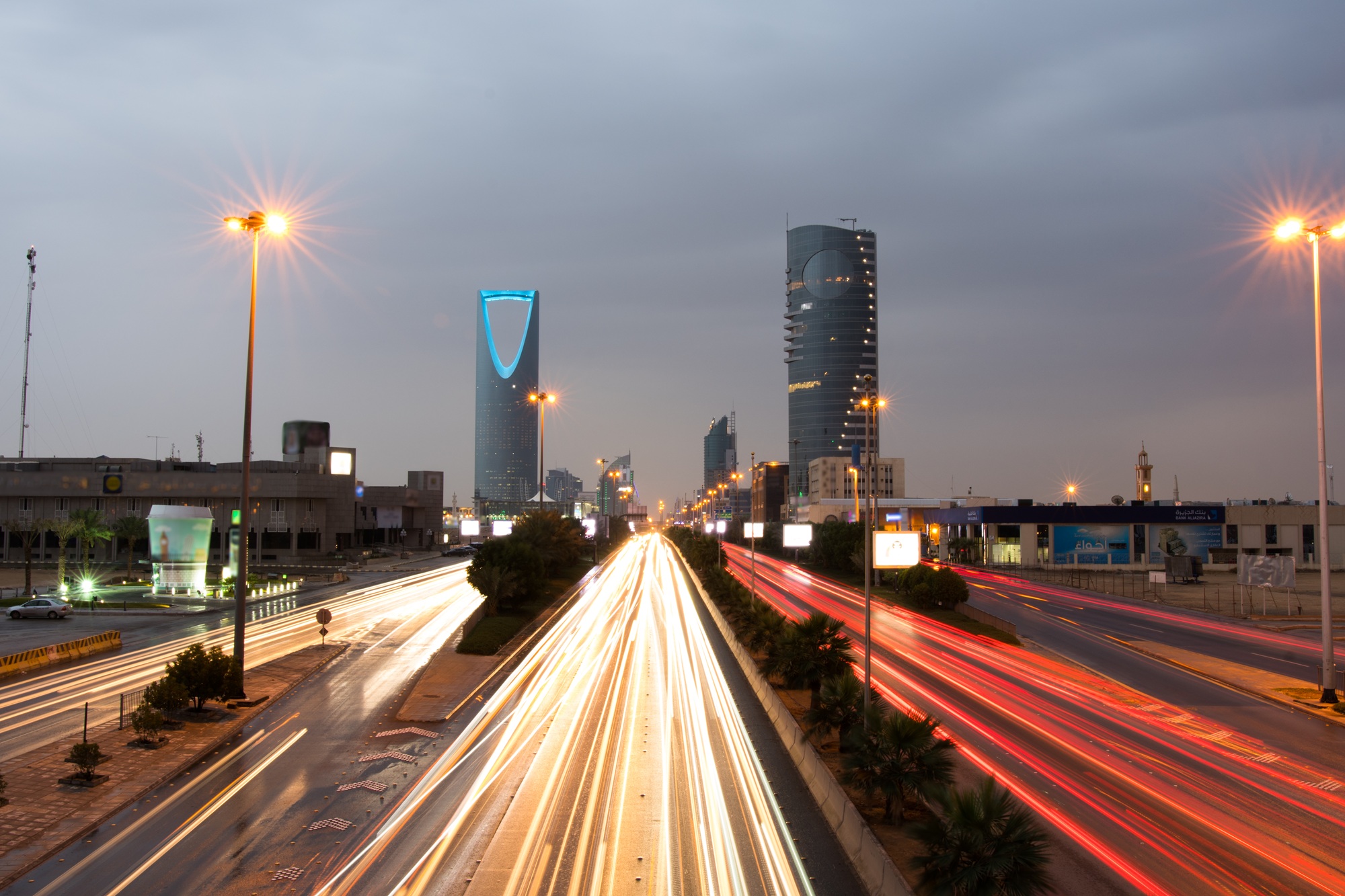
Sheikh Jaber Al-Sabah Road construction project has secured a major $1.3bn (SR5bn) contract award from the Royal Commission for Riyadh City (RCRC), marking a critical expansion of Riyadh’s transport infrastructure network. Moreover, the project strengthens the Second Eastern Ring Road scheme and directly supports rapid urban growth projections for the capital.
It also enhances connectivity between key arterial roads in eastern Riyadh, where traffic demand continues to rise. Additionally, the contract was awarded to the joint venture of Al-Rashid Trading & Contracting Company (RTCC) and Turkiye’s IC Ictas. The project represents another major milestone in RCRC’s large-scale infrastructure programme aligned with Saudi Arabia’s Vision 2030.
Sheikh Jaber Al-Sabah Road construction project scope and corridor development works
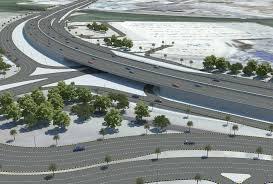
Sheikh Jaber Al-Sabah Road construction project spans approximately 12 kilometers, stretching from Khurais Road to Al-Thumama Road in Riyadh. Furthermore, it forms a key segment of the Second Eastern Ring Road scheme, designed to relieve congestion across eastern transport corridors. The project includes construction of five major interchanges: Prince Bandar interchange, King Abdullah interchange, Imam Abdullah interchange, Dammam Road interchange, and Al-Thumama interchange.
In addition, engineers will deliver extensive road widening, junction upgrades, and advanced traffic flow systems. The works also integrate utility relocation and supporting infrastructure upgrades across the corridor. Consequently, mobility is expected to improve significantly once the scheme becomes operational. Traffic efficiency improvements will also support surrounding residential and commercial development zones.
Sheikh Jaber Al-Sabah Road investment structure and contractor engagement
RCRC structured the $1.3bn Sheikh Jaber Al-Sabah Road construction contract under a competitive procurement process. Moreover, the authority selected the RTCC–IC Ictas joint venture based on technical capability and project delivery experience. This award reinforces ongoing collaboration between RCRC and the same JV, which also secured the Wadi Laban cable bridge upgrade contract in June 2024.
That earlier project, valued at about SR4bn ($1bn), involved upgrading a key bridge originally completed in 1997. However, the current road scheme expands the partnership into a far larger urban corridor programme. The contract supports Saudi Arabia’s broader infrastructure acceleration strategy under Vision 2030. Additionally, it aligns with long-term urban expansion planning driven by projected population growth in Riyadh.
Strategic transport impact and Riyadh urban expansion outlook
The Sheikh Jaber Al-Sabah Road construction project will significantly reduce congestion along eastern Riyadh corridors. Moreover, it enhances network resilience by improving connectivity across major highways and ring roads. Travel efficiency will improve as traffic is redistributed across newly constructed interchanges.
Additionally, the project supports Riyadh’s long-term urban transformation strategy, particularly as population forecasts indicate substantial growth. Crown Prince Mohammed bin Salman has previously highlighted expectations that Riyadh’s population could reach 15–20 million by 2030. Therefore, infrastructure expansion has become a critical priority for city planning authorities.
Furthermore, RCRC continues to deliver major urban projects, including Riyadh Metro, Sports Boulevard, Green Riyadh, Riyadh Art, and King Salman International Park. Collectively, these initiatives reinforce Riyadh’s position as a rapidly expanding global metropolis.
Sheikh Jaber Al-Sabah Road construction project in Riyadh connects closely with broader regional corridor upgrade strategies seen in major Gulf urban road schemes, including the Garn Al Sabkha Street improvement project in Dubai. Moreover, both projects focus on easing congestion through interchange construction, multi-lane expansion, and improved connectivity between strategic highways. In addition, they reflect a shared planning approach where arterial corridors are upgraded to support rapid population growth and rising traffic demand.
Similarly, the Garn Al Sabkha Street project forms a critical link between Sheikh Zayed Road and Sheikh Mohammed Bin Zayed Road, aiming to improve east–west traffic flow efficiency. Furthermore, it includes multiple bridges and interchange upgrades designed to reduce travel time and increase corridor capacity, which aligns with the engineering logic applied in Riyadh’s Second Eastern Ring Road scheme.
Therefore, the Sheikh Jaber Al-Sabah Road project and Garn Al Sabkha improvement initiative both demonstrate integrated urban mobility planning. Additionally, they show how major road infrastructure investments are structured around interchange clustering, corridor connectivity, and traffic decongestion objectives.
Project Fact Sheet
Project name: Sheikh Jaber Al-Sabah Road Construction Project
Location: Riyadh, Saudi Arabia
Value: $1.3bn (SR5bn)
Client: Royal Commission for Riyadh City (RCRC)
Scope: Road construction and upgrade under Second Eastern Ring Road scheme
Length: 12 kilometres
Alignment: Khurais Road to Al-Thumama Road
Interchanges:
- Prince Bandar interchange
- King Abdullah interchange
- Imam Abdullah interchange
- Dammam Road interchange
- Al-Thumama interchange
Contract type: Design and construction (infrastructure works)
Main contractor: RTCC–IC Ictas joint venture
Project objective: Reduce congestion, improve connectivity, and support urban expansion
Status: Contract awarded
Project Team
Client / Project Owner: Royal Commission for Riyadh City (RCRC)
Main Contractor: Al-Rashid Trading & Contracting Company (RTCC) + IC Ictas joint venture
Strategic Oversight: Government of Saudi Arabia
Urban Planning Coordination: RCRC infrastructure and transport planning divisions
Transport Integration Authority: Ministry of Transport and Logistics Services (Saudi Arabia)
Municipal Coordination: Riyadh Municipality
Utility Coordination: Relevant electricity, water, telecom service providers in Riyadh



Leave a Reply