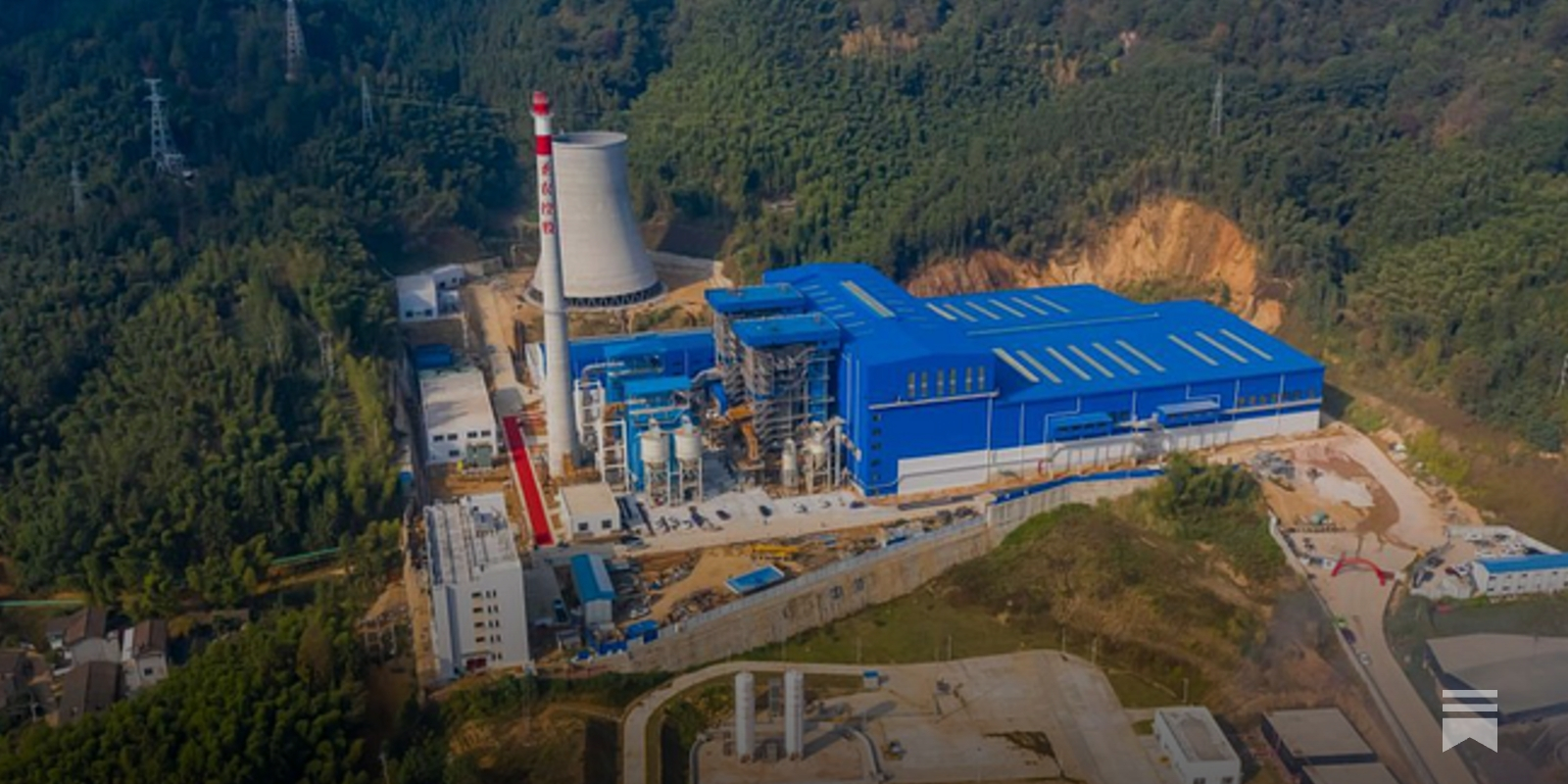
Green Methanol project construction has begun in northeast China, launching a 100,000-tonne e-fuel facility that combines biomass and wind-powered hydrogen. The development marks a new construction-led approach to scaling low-carbon fuels by integrating agricultural waste and renewable energy into industrial production.
Firstly, the project forms part of the Shenyang Wind-Solar-Hydrogen Fusion Biomass Green Methanol Demonstration Project. It is located in Kangping County, under Shenyang in Liaoning province. Moreover, the first phase will produce 100,000 tonnes of green methanol annually. This output targets cleaner fuels for shipping and industrial applications. Additionally, construction is expected to take 24 months for phase one. Subsequent phases will expand production into other e-fuels.
Green Methanol project integrates biomass and hydrogen construction systems
Notably, developers will use waste straw as a primary feedstock. The straw will undergo high-temperature processing to generate synthesis gas. Furthermore, this syngas contains carbon monoxide and hydrogen. The carbon monoxide will then be converted into carbon dioxide.
In addition, green hydrogen will be added to the process. This hydrogen will come from 6.5MW wind-powered electrolysers. As a result, the combined process will produce e-methanol with significantly lower emissions. This hybrid model strengthens circular resource utilization.
Meanwhile, the project will include a biomass pre-treatment plant. This facility will convert straw into 337,000 tonnes of biomass briquettes annually. Consequently, the plant ensures a stable and scalable feedstock supply. This supports long-term operational efficiency.
Construction advances Green Methanol project with energy storage and hydrogen systems
Currently, the project includes a 70MW/140MWh battery energy storage system. This will stabilize renewable energy supply during operations. At the same time, developers will install hydrogen storage infrastructure. The facility will feature a storage tank with a capacity of 5.4 tones.
Importantly, wind energy will power key systems across the plant. Reports indicate the project will utilize otherwise curtailed wind power. Therefore, the development improves renewable energy efficiency. It captures energy that would have been wasted.
In parallel, contractors are advancing civil and mechanical works. These include processing units and energy integration systems. Additionally, despite its name, there is no confirmed solar component in the current design. Wind and biomass remain the dominant inputs.
Green Methanol project expands into broader e-fuel construction phases
Significantly, the second phase will produce 300,000 tones of synthetic aviation fuel annually. This positions the project within sustainable aviation fuel markets. Furthermore, the third phase will deliver 100,000 tones of green ammonia each year. This expands its role in global clean energy supply chains.
Consequently, total e-fuel production across all phases will reach 500,000 tones annually. Straw will remain the core feedstock throughout. In addition, the project will consume approximately three million tones of straw each year. This leverages abundant agricultural waste resources.
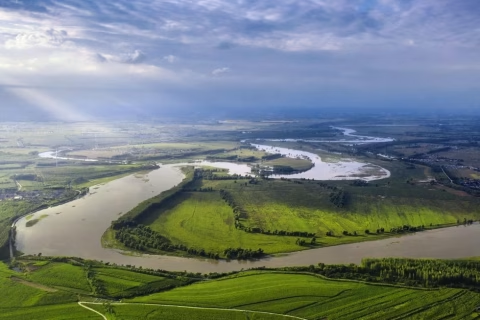
Meanwhile, Kangping County offers strong natural advantages for the project. The region records average wind speeds of 7.5 meters per second. Moreover, it provides over 3,200 usable wind hours annually. This ensures reliable renewable energy generation. Ultimately, the project demonstrates how construction innovation can integrate biomass and renewables. It creates scalable pathways for low-carbon fuel production.
Furthermore, China is scaling up its hydrogen infrastructure to support projects like this Green Methanol project. This includes the development of the world’s longest hydrogen pipeline, a major initiative designed to transport large volumes of green hydrogen from renewable-rich regions to industrial centers. The expansion strengthens the supply chain backbone required for e-fuel production and directly complements developments such as the Green Methanol project in northeast China.
Project Fact Sheet
Project Name: Shenyang Wind-Solar-Hydrogen Fusion Biomass Green Methanol Demonstration Project
Location: Kangping County, Shenyang, Liaoning Province, China
Project Type: Green methanol and e-fuels production facility
Estimated Cost: $140 million (Phase 1 estimate)
Capacity (Phase 1): 100,000 tonnes per year (green methanol)
Phase 2 Capacity: 300,000 tonnes per year (synthetic aviation fuel – eSAF)
Phase 3 Capacity: 100,000 tonnes per year (green ammonia)
Total Output (All Phases): 500,000 tonnes per year of e-fuels
Feedstock: Waste straw (biomass) and green hydrogen
Hydrogen Source: 6.5MW wind-powered electrolysers
Energy Storage: 70MW / 140MWh battery system
Hydrogen Storage Capacity: 5.4 tonnes
Biomass Processing: 337,000 tonnes/year of biomass briquettes
Annual Straw Consumption: ~3 million tonnes
Construction Start: 2026
Phase 1 Duration: 24 months
Key Feature: Integration of biomass gasification with renewable hydrogen
Environmental Impact: Reduced emissions through waste utilization and renewable energy
Project Team
Project Owner / Developer: China Energy Engineering Corporation (CEEC)
Location Authority: Kangping County Government, Shenyang Municipality
EPC Contractors: To be confirmed; multiple contractors involved in civil, mechanical, and energy systems works
Technology Providers:
- Biomass gasification system suppliers
- Electrolyser manufacturers (wind-powered hydrogen production)
- Methanol synthesis technology providers
Energy Partners: Regional wind power providers utilizing curtailed wind energy
Storage System Providers: Battery energy storage system suppliers (70MW/140MWh)
Hydrogen Infrastructure Providers: Hydrogen storage and handling system contractors
Feedstock Suppliers: Agricultural sector stakeholders providing straw within a 100km radius
Regulatory Authorities: Liaoning provincial and local environmental and energy agencies
Offtakers (Expected):
- Shipping companies seeking green methanol
- Aviation fuel distributors (for eSAF phase)
- Industrial users of green ammonia
Consultants: Environmental, engineering design, and project management advisory firms
Leave a Reply