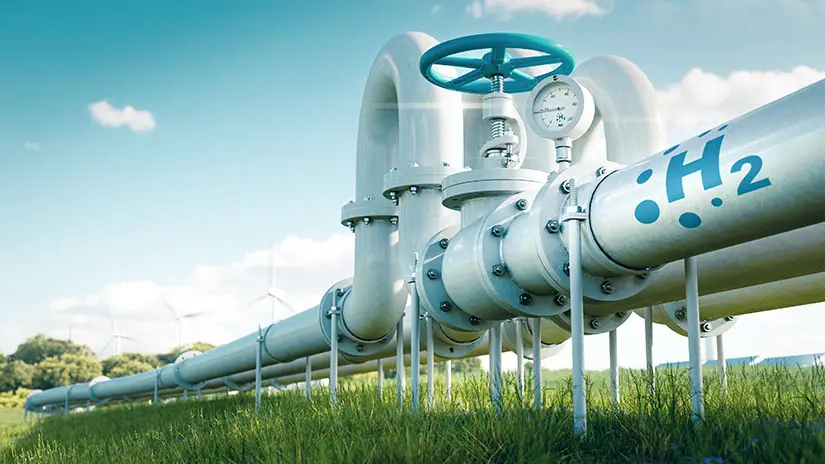
China’s hydrogen pipeline project continues to progress through its construction phase, with the 1,038km network steadily taking shape across northern regions. The large-scale infrastructure is designed to transport up to 1.6 million tonnes of green hydrogen annually, reinforcing the country’s transition toward integrated clean energy systems and supporting downstream industrial applications.
Initially launched in late 2025, the project has moved beyond groundbreaking into early construction and engineering works. Developers are advancing pipeline routing, material testing, and system integration ahead of a targeted operational timeline toward the end of the decade.
Moreover, the pipeline connects renewable-rich production zones with industrial demand centers. This improves hydrogen distribution efficiency across key economic regions.
Additionally, the development reflects China’s broader shift from pilot hydrogen projects to full-scale infrastructure deployment. This aligns with national plans to scale green hydrogen production and utilization.
Hydrogen pipeline project gains momentum within China’s growing energy infrastructure
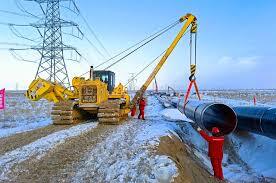
Currently, construction activities include detailed engineering, compressor station planning, and pipeline installation works. These efforts aim to establish a backbone network for hydrogen transport. Furthermore, the pipeline will link areas such as Zhangjiakou and Tangshan. These regions combine strong renewable energy capacity with heavy industrial demand.
In addition, the system is designed with high transmission capacity and pressure standards. This ensures efficient long-distance hydrogen transport. Consequently, the project reduces reliance on road-based hydrogen transport. It also lowers costs and improves supply reliability.
Meanwhile, China’s policy framework continues to support hydrogen infrastructure expansion. The sector is now positioned as a key pillar in the country’s long-term energy strategy.
Hydrogen pipeline project supports Green Methanol project and e-fuel developments
Notably, the expansion of hydrogen transport infrastructure directly supports emerging e-fuel developments such as the Green Methanol project in northeast China. These projects depend on consistent hydrogen supply for continuous production.
Furthermore, China is adopting an integrated “production–transport–utilization” model. This ensures hydrogen flows efficiently from renewable energy bases to industrial users. In addition, the pipeline will help utilize surplus renewable energy. Converting excess wind and solar power into hydrogen reduces curtailment and improves energy efficiency. Therefore, infrastructure and production projects are increasingly being developed in parallel. This coordinated approach strengthens overall project viability.
Strategic outlook for hydrogen pipeline project development
Significantly, the hydrogen pipeline project forms part of a broader national push to industrialize clean energy. It supports sectors such as chemicals, steel, and transport. Moreover, China’s hydrogen market continues to expand rapidly. Government support and investment are accelerating commercialization and deployment.
Consequently, the pipeline is expected to play a central role in future energy systems. It will enable large-scale distribution of green hydrogen across multiple industries. In parallel, continued construction progress will determine how quickly hydrogen transitions from niche applications to mainstream energy use. Ultimately, the hydrogen pipeline project represents a critical enabler of China’s clean energy ambitions. It connects renewable generation with industrial decarbonization at scale.
Reportedly, the project is developed by Tangshan Haitai New Energy Technology (THNET), a subsidiary of Haitai Solar, a Chinese high-tech enterprise focused on green energy development. THNET is working in cooperation with China Petroleum Pipeline Engineering Corporation (CPPEC), a subsidiary of state-owned oil giant China National Petroleum Corporation.
The two companies, THNET and CPPEC, recently signed a non-binding cooperation agreement to carry out design and consulting services for the pipeline project.
Timelines, cost of construction and funding for the world’s longest hydrogen pipeline
In December 2023, the provincial government of Hebei signed off on the project, the implementation of which is scheduled to begin in June 2024 and be completed three years later, in June 2027.
Dubbed Zhangjiakou Kangbao-Caofeidian pipeline, the facility will run from a green hydrogen project in the city of Zhangjiakou, traverse the cities of Chengde and Tangshan all of which are in Hebei province to finally culminate at the port of Caofeidian, which is approximately 250 kilometres southeast of Beijing.
Upon completion, leveraging advanced technology, the pipeline will operate at a pressure of 63 bar, which is higher than the 40-bar standard in China. As a result, it will have the capacity to carry more H2 at any given time.
The cost of construction of the world’s longest hydrogen pipeline is estimated to be 6.1 billion yuan, the equivalent of US$ 845 million or its thereabouts. There are few details about the hydrogen project associated with the Zhangjiakou Kangbao-Caofeidian pipeline and the source of funding for the hydrogen pipeline project.
Significance of Zhangjiakou Kangbao-Caofeidian pipeline
Reportedly, the Zhangjiakou Kangbao-Caofeidian pipeline holds the potential to revolutionize the transportation of hydrogen and facilitate the export of renewable hydrogen, positioning China as a key player in the global energy transition.
By leveraging hydrogen as a clean energy carrier, the East Asian country aims to bolster its position in the renewable energy market and capitalize on the growing demand for sustainable fuel alternatives around the world. This ambitious initiative aligns with her broader strategy to achieve carbon neutrality and reduce reliance on fossil fuels.
Zhangjiakou Kangbao-Caofeidian pipeline also underscores China’s commitment to innovation and the pivotal role of hydrogen in transitioning towards a low-carbon economy.
Also Read
China $7.7 Billion Renewable Energy Project Breaks Ground
Construction begins on largest green hydrogen LDES system in the United States
World’s Largest Wind Turbine Installed at Pingtan Zhangpu Liuao Wind Farm, China
Project Fact Sheet
Project Name: Northern China Hydrogen Pipeline Network
Location: Northern China (Zhangjiakou to Tangshan corridor and surrounding regions)
Project Type: Hydrogen transport infrastructure
Estimated Cost: $1.9 billion
Pipeline Length: 1,038 km
Capacity: Up to 1.6 million tonnes of hydrogen per year
Pipeline Diameter: Approx. 813 mm
Construction Start: November 2025
Current Status (2026): Under construction (engineering and installation phase)
Expected Completion: Around 2026–2027 (phased commissioning)
Purpose: Transport green hydrogen from renewable energy hubs to industrial centers
Key Feature: Long-distance, high-capacity hydrogen transmission system
Strategic Role: Backbone infrastructure for hydrogen economy and e-fuel projects
Project Team
Project Developers: Regional and state-backed Chinese energy infrastructure stakeholders
Key Investor / Sponsor: Haitai New Energy and associated partners
Engineering & Construction:
- Pipeline engineering contractors (not fully disclosed)
- Civil and mechanical construction firms across multiple provinces
Technology Providers:
- Hydrogen pipeline materials and valve manufacturers
- Compression and transmission system providers
Energy Supply Partners: Renewable energy producers in northern China (wind and solar)
Regulatory Authorities:
- National and provincial energy agencies
- Environmental and infrastructure regulatory bodies
End Users / Offtakers:
- Steel and heavy industry sectors
- Chemical production facilities
- Emerging e-fuel projects including green methanol and ammonia plants