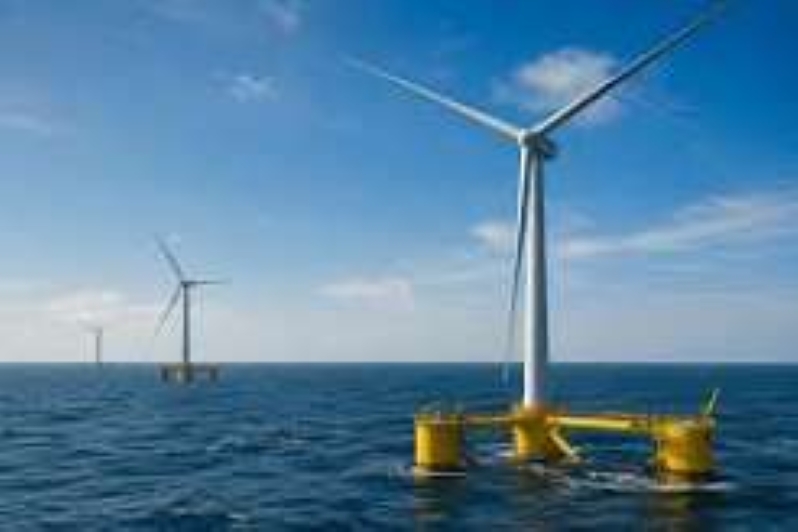
The Muir Mhor Floating Offshore Wind Farm in Scotland has secured offshore development consent from the Scottish Government, clearing a major regulatory milestone for the proposed 1GW renewable energy project off the coast of Aberdeenshire.
Developed by Fred. Olsen Seawind, the project will feature up to 67 floating offshore wind turbines installed approximately 63 kilometers east of Peterhead. Once operational, the wind farm is expected to generate enough electricity annually to power the equivalent of more than one million homes.
The November 19, 2026 consent decision advances one of Scotland’s major commercial-scale floating offshore wind developments towards implementation. It also follows the granting of onshore planning permission by Aberdeenshire Council in June 2025 for the project’s underground cable and substation infrastructure.
With both the onshore and offshore consents secured, Fred. Olsen Seawind can progress the remaining development activities. These include engineering, supply-chain preparation and commercial arrangements, ahead of the anticipated early 2030s operational target.
67 floating wind turbines planned for the Muir Mhor project
The Muir Mhor Offshore Wind Farm will occupy an offshore development area of approximately 200 square kilometers in Scottish waters, around 63 kilometers east of Peterhead.
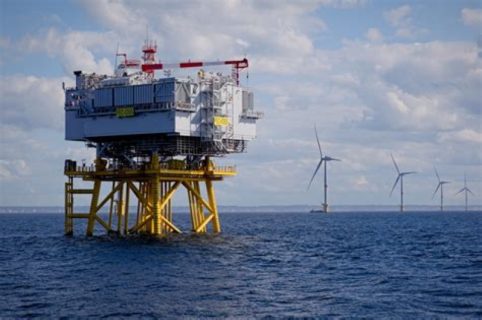
The proposed generating station will comprise up to 67 wind turbines installed on floating foundations. They will be supported by mooring and anchoring systems. The turbines will also be connected through an inter-array cable network linking them to offshore electrical infrastructure.

The development also includes up to two offshore electrical platforms, associated foundations, interconnector cables and offshore export cables connecting the wind farm to the Scottish mainland.
Unlike conventional fixed-bottom offshore wind installations, floating turbines are supported by buoyant foundations secured to the seabed using mooring lines and anchors. The technology allows wind farms to be developed in deeper waters where fixed foundations may be technically or economically challenging.
For Muir Mhor, the floating configuration is central to accessing the offshore wind resource in the North Sea. This is while supporting the development of a commercial-scale floating wind supply chain in Scotland.
The project will also require substantial onshore infrastructure. This includes cable landfall facilities, underground electricity export cables and an onshore substation connecting the development to the Scottish electricity transmission network at SSEN Transmission’s Netherton Hub in Aberdeenshire.
Scottish Government consent advances project towards construction
The Scottish Government’s offshore consent decision represents a major step forward following the project’s environmental assessments, technical development work and engagement with marine stakeholders.
However, the approval comes with conditions that Fred. Olsen Seawind must address as the project progresses.
These include securing mitigation measures for potential impacts on commercial fisheries. The developer will also provide environmental compensation to address potential effects on seabirds.
The conditions also reflect some of the principal challenges associated with offshore wind development in the North Sea. In the Atlantic ocean-linked sea, renewable energy infrastructure must coexist with established fishing activities and sensitive marine ecosystems.
The project will therefore need to continue working with relevant authorities and environmental organizations. Fishing industry stakeholders will also be consulted as the Muir Mhor floating offshore wind farm advances towards construction.
The consent decision also follows the earlier approval of the onshore infrastructure by Aberdeenshire Council in June 2025, which covered underground cabling and substation development.
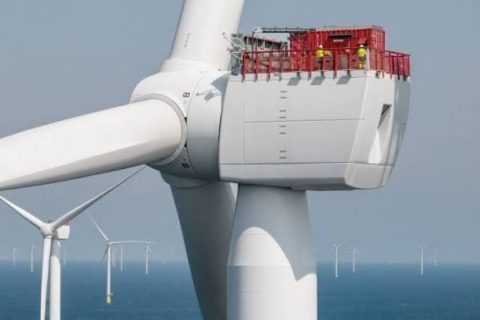
Fred. Olsen Seawind assumes full ownership of Muir Mhor Floating Wind Farm in Scotland
The project is being developed by Fred. Olsen Seawind, which assumed 100% ownership of Muir Mhor following an agreement with former joint-venture partner Vattenfall in April 2026.
Under the transaction, Vattenfall agreed to sell its 50% stake to Fred. Olsen Seawind, allowing the latter to take full control of the development.
The ownership change was intended to provide a more streamlined route towards completing the project’s development and progressing its commercial arrangements.
Muir Mhor secured seabed rights through the ScotWind leasing round in January 2022, marking the beginning of its development within Scotland’s expanding offshore wind portfolio.
Fred. Olsen Seawind has since advanced the technical and regulatory preparation of the project. This also includes securing the necessary onshore planning permission and engaging prospective supply-chain participants.
The developer is targeting electricity generation in the early 2030s, subject to completion of the remaining development and commercial milestones.
Floating offshore wind infrastructure and supply-chain opportunities
Beyond its planned 1GW generation capacity, Muir Mhor is expected to support the development of Scotland’s floating offshore wind industry through demand for specialized engineering, manufacturing, marine operations and installation services.
The project will require floating foundation systems, turbine components, mooring and anchoring equipment, subsea cables, offshore electrical platforms and associated transmission infrastructure.
Construction will also involve offshore installation vessels, marine logistics, port facilities, cable-laying operations and specialist engineering services.
The development could consequently create opportunities for Scottish and international companies with experience in offshore oil and gas, shipbuilding, subsea engineering, offshore wind and marine construction.
Fred. Olsen Seawind has also highlighted the potential to transfer existing North Sea maritime and offshore engineering capabilities into the floating wind sector.
The developer has also reported that £18.4 million in development contracts had been awarded to date, including £7.96 million to Scottish suppliers, demonstrating that some supply-chain activity is already underway.
A community benefit fund is also planned, with its priorities to be developed in partnership with local communities.
Muir Mhor project adds to Scotland’s expanding offshore wind capacity
The consent decision comes as Scotland continues to expand its offshore renewable energy portfolio and strengthen its position in the emerging floating offshore wind market. The UK is also advancing a multi-billion-pound grid expansion plan with the aim of transporting electricity from Scotland and other generation centers to demand hubs across Great Britain.
According to the Scottish Government, Scotland has 11 operational offshore wind farms with a combined generating capacity of approximately 4.3GW. The country’s total consented offshore wind capacity now exceeds 11GW.
Muir Mhor’s proposed 1GW capacity would represent a substantial addition to this pipeline. This is while demonstrating the potential of floating technology in deeper-water offshore wind resources.
The project also supports the UK’s wider ambitions to strengthen domestic renewable electricity generation and improve energy security. The UK is also seeking to develop a competitive offshore wind supply chain.
Furthermore, the progression of Muir Mhor floating offshore wind farm could be particularly significant for Scotland’s northeast. The region features established offshore energy infrastructure and engineering expertise that would provide a foundation for the emerging floating wind industry.
What next for the Muir Mhor Floating Offshore Wind Farm?
With the major onshore and offshore planning consents secured, the next phase will center on progressing the project towards an investment and construction decision.
Key activities will include advancing detailed engineering and design and finalizing the commercial strategy. This will be followed by securing the necessary supply-chain agreements and preparing for the procurement of major equipment and construction services.
Fred. Olsen Seawind will also need to address the conditions attached to the offshore consent, particularly those relating to commercial fisheries and seabird protection.
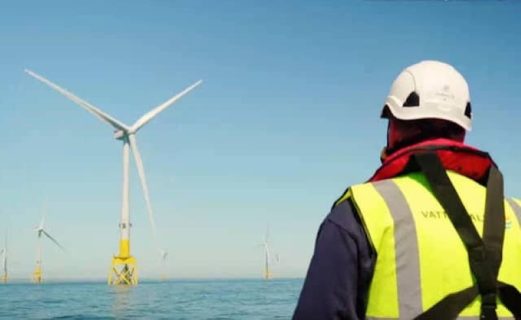
The selection of floating foundation technology, turbine suppliers, offshore installation contractors and other major engineering partners will be important in determining the project’s eventual construction strategy and cost structure.
Although a definitive construction start date and total capital expenditure have not been made public yet, Fred. Olsen Seawind continues to target the early 2030s for electricity generation.
The Muir Mhor development is moving into an important stage in which regulatory approval must be translated into a commercially viable construction program. Its eventual delivery could establish a significant reference project for commercial-scale floating offshore wind in Scotland and the wider North Sea.
Muir Mhor Floating Offshore Wind Farm Project Fact Sheet
Location: 63km east of Peterhead, Aberdeenshire
Developer: Fred. Olsen Seawind
Generating capacity: Up to 1,000MW
Number of turbines: Up to 67
Development area: 200km2
Technology: Floating offshore wind
Foundations: Floating foundations with mooring and anchoring systems
Offshore infrastructure: Up to two offshore electrical platforms, inter-array cables, interconnector cables and export cables
Onshore infrastructure: Cable landfall, underground export cables and substation
Grid connection: SSEN Transmission’s Netherton Hub
Offshore consent: Granted November 19, 2026
Onshore planning consent: Granted June 2025
Expected operational date: Early 2030s
Current ownership: 100% Fred. Olsen Seawind
Former joint-venture partner: Vattenfall
Estimated annual generation: Enough to power the equivalent of more than one million homes
Who is involved in the project?
- Fred. Olsen Seawind – Project developer and owner.
- Scottish Government – Offshore development consenting authority.
- Aberdeenshire Council – Onshore planning authority.
- SSEN Transmission – Electricity transmission network operator responsible for the Netherton Hub connection infrastructure.
- Vattenfall – Former 50% joint-venture partner.
- Crown Estate Scotland – Seabed leasing authority.

Leave a Reply