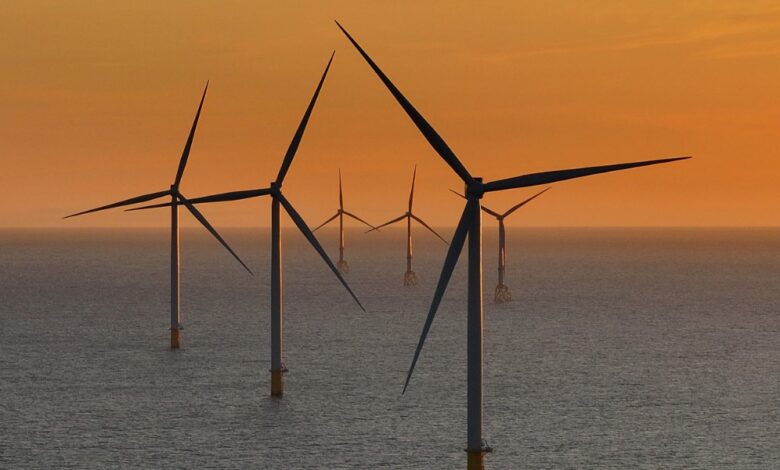
Caledonia offshore wind project has secured Scottish Government approval, marking a major milestone for one of Scotland’s largest planned renewable energy construction developments. The consent allows the 2GW offshore wind scheme in the Moray Firth to advance toward procurement, financing, and construction preparation. The project, valued at about $2.7 billion (£2 billion), strengthens Scotland’s offshore wind pipeline while creating fresh opportunities for contractors, manufacturers, ports, and engineering firms across the United Kingdom.
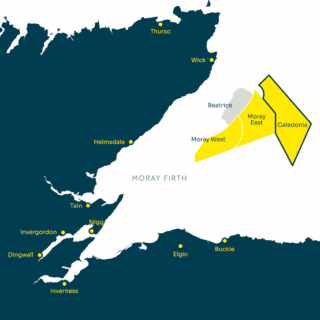
The approval covers the North and South Caledonia offshore wind farms, which together will occupy about 429km² in the Moray Firth. The development will feature up to 140 offshore wind turbines capable of generating enough renewable electricity to supply the equivalent of around two million homes annually. Therefore, the decision reinforces Scotland’s commitment to expanding clean energy infrastructure while supporting long-term industrial growth.
Caledonia offshore wind project clears final regulatory hurdle
The Scottish Government issued offshore consent and marine licences after Aberdeenshire Council previously granted onshore planning approval. Consequently, the project has now completed its principal regulatory approvals and can move toward commercial development activities.
Ocean Winds expects offshore construction to begin around 2030, subject to securing a Contracts for Difference award and reaching a final investment decision. Meanwhile, developers will continue engineering design, environmental compliance, procurement planning, and supply chain engagement before major construction starts.
The latest approval also supports Scotland’s ambition to remain a leading offshore wind market. Furthermore, it strengthens confidence among suppliers investing in fabrication facilities, ports, marine logistics, installation vessels, and specialist engineering services.
Ocean Winds has committed approximately £1.7 billion in Scottish supply chain spending across the Caledonia projects. As a result, local manufacturers and contractors could benefit from significant procurement opportunities throughout construction and long-term operations.
Caledonia offshore wind project boosts construction supply chain
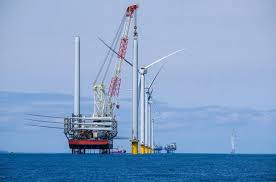
Construction activities will require extensive offshore foundations, subsea cables, offshore substations, export cables, and onshore electrical infrastructure. Additionally, marine installation campaigns will involve heavy-lift vessels, cable-laying ships, port upgrades, and specialized logistics support.
The project also promises lasting employment benefits. Together with Moray East and Moray West, the Caledonia development will increase Ocean Winds’ long-term operational workforce in the Moray Firth to more than 200 skilled jobs. Those positions will support operations, maintenance, engineering, and asset management for decades.
Beyond direct employment, the project could stimulate wider investment across Scottish ports, fabrication yards, transport services, and professional engineering firms. Consequently, regional businesses may secure contracts spanning design, manufacturing, construction, commissioning, and maintenance.
The approval also arrives as Britain accelerates offshore wind deployment to strengthen energy security and achieve net-zero targets. Accordingly, projects such as Caledonia continue expanding the country’s renewable generation capacity while attracting private infrastructure investment.
Construction outlook following Scottish approval
Attention now shifts toward commercial agreements and procurement. Developers will finalize technical packages, engage suppliers, secure financing, and prepare for future construction mobilization.
Several major engineering contracts are expected during the project’s delivery phases. These packages could include turbine supply, foundations, electrical systems, substations, export cables, installation services, and operations facilities. Therefore, contractors across Europe will closely monitor upcoming tender opportunities.
Once operational, the wind farms will provide reliable renewable electricity while supporting Scotland’s transition toward a lower-carbon economy. Moreover, the development demonstrates continued momentum for large-scale offshore construction despite global supply chain pressures and rising infrastructure costs.
Scotland’s expanding offshore wind pipeline continues to gather momentum. The Caledonia project builds on earlier flagship developments such as the Seagreen offshore wind farm, which became Scotland’s largest operational offshore wind facility and the world’s deepest fixed-bottom offshore wind farm. Together, these projects highlight the country’s growing investment in large-scale renewable energy construction and offshore infrastructure.
Also read:
Project fact sheet
Project name: Caledonia Offshore Wind Project
Value: Approximately $2.7 billion (£2 billion)
Location: Moray Firth, Scotland, United Kingdom
Project type: Offshore wind power development
Installed capacity: 2GW
Project components: North Caledonia and South Caledonia offshore wind farms
Site area: Approximately 429km²
Maximum turbines: Up to 140
Estimated electricity generation: Equivalent to powering around 2 million homes annually
Development program: ScotWind leasing round
Current status: Offshore consent and marine licences approved
Next phase: Contracts for Difference award, final investment decision, procurement, and detailed engineering
Expected offshore construction: Around 2030, subject to commercial approvals
Scottish supply chain commitment: Approximately £1.7 billion
Long-term operational employment: More than 200 skilled jobs across Ocean Winds’ Moray portfolio
Project team
Project developer: Ocean Winds
Joint venture partners: EDP Renewables and ENGIE
Project owner: Ocean Winds
Regulatory authority: Scottish Government
Marine licensing authority: Scottish Government Marine Directorate
Onshore planning authority: Aberdeenshire Council
Leasing authority: Crown Estate Scotland
Supply chain participants: Scottish manufacturers, ports, marine contractors, engineering companies, logistics providers, and offshore installation specialists


Leave a Reply