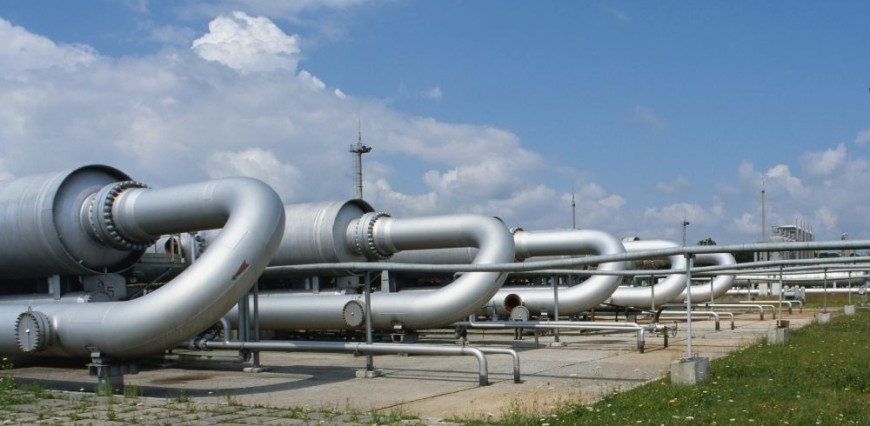
The Alberta Utilities Commission (AUC) has given a green light on the Yellowhead Pipeline project from Canadian Utilities Limited, ATCO Company. This will clear the way for construction of the $2.9 billion natural gas infrastructure project. Moreover, this pipeline alongside renewable energy projects, will support Alberta’s continued economic growth, industrial expansion and rising energy demand.
Length and Size of the Yellowhead Pipeline
Moreover, the approved project will consist of the construction and operation of a 235-kilometre, 36” diameter natural gas transmission pipeline from the Peers area to the Fort Saskatchewan area and one compressor station. Also, the pipeline is already fully contracted. This signifies the demand for natural gas to fuel Alberta’s growth and attract investment to the province.
“The Yellowhead Pipeline will help meet Alberta’s growing need for safe, reliable and affordable energy. Additionally, it will support continued economic growth across the province,” stated Jason Sharpe, Chief Operating Officer, ATCO Energy Systems. “With our extensive natural gas infrastructure experience and strong partnerships with contractors, crews, communities and Treaty Six Nations, ATCO is ready to move this critical project into construction.”
Significance of the Project
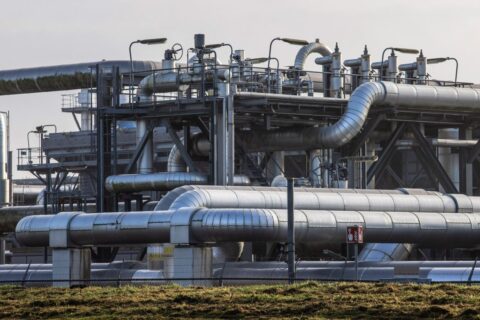
Moreover, the Yellowhead Pipeline is an important infrastructure project for the company, investing an estimated $2.9 billion to support Alberta’s economic growth and industrial expansion. Additionally, as Alberta attracts industry and investments, natural gas plays a vital role as reliable energy, powering homes, hospitals, industry, and tech innovators alike. Furthermore, once operational, the pipeline will deliver more than 1.1 billion cubic feet of natural gas to the system per day. Also, for context, that’s the same amount of energy delivered by Alberta’s entire electricity system on a peak day.
Lastly, all major pipeline and compressor contracts, including supply and materials, have been awarded. The project also has significant contracting opportunities with Treaty 6 Nations and local subcontractors, leveraging extensive local and industry expertise to deliver the project.
Project Factsheet
Project Owner / Operator: ATCO Energy Systems (ATCO Gas and Pipelines Ltd.)
Estimated Investment: $2.9 Billion (CAD)
Pipeline Length: 235 kilometers (~146 miles)
Diameter / Size: 36-inch (914 mm) high-pressure underground pipeline
Capacity: Over 1.1 billion cubic feet (Bcf/d) or 1,200 terajoules of natural gas per day
Energy Equivalent: Roughly equivalent to the daily peak energy demand of Alberta’s entire electricity grid
Target In-Service Date: Late 2027
Route
Origin Point: Peers area (West-Central Alberta / Yellowhead County), connecting to the NGTL January Creek transmission line.
Termination Point: Fort Saskatchewan region (Alberta’s Industrial Heartland, northeast of Edmonton).
Associated Infrastructure: Includes one compressor station (~18 MW of compression) and control/metering stations along the route to monitor and drive gas flow.
Project Status and Regulatory Timeline
August 2025: The Alberta Utilities Commission (AUC) approved ATCO’s initial Need Assessment Application.
May 2026: Public hearings were held regarding the separate, detailed facilities application.
July 2026 (Current Status): The AUC formally approved the construction and facility operations. Therefore, this clears the way for ATCO to begin immediate construction mobilization.
Strategic & Economic Impact
Catalyzing Investment: The increased capacity is expected to attract and unlock more than $20 billion in downstream industrial investments across the energy, petrochemical, hydrogen, and low-carbon technology sectors.
Job Creation:
Construction Phase: Expected to generate roughly 2,000 direct, well-paying construction jobs.
Operational/Downstream Phase: Anticipated to support up to 23,700 jobs once downstream economic ripple effects materialize.
GDP Growth: Projected to contribute roughly $3.9 billion annually to Alberta’s GDP through ongoing operational benefits and connected industrial expansions.

Leave a Reply