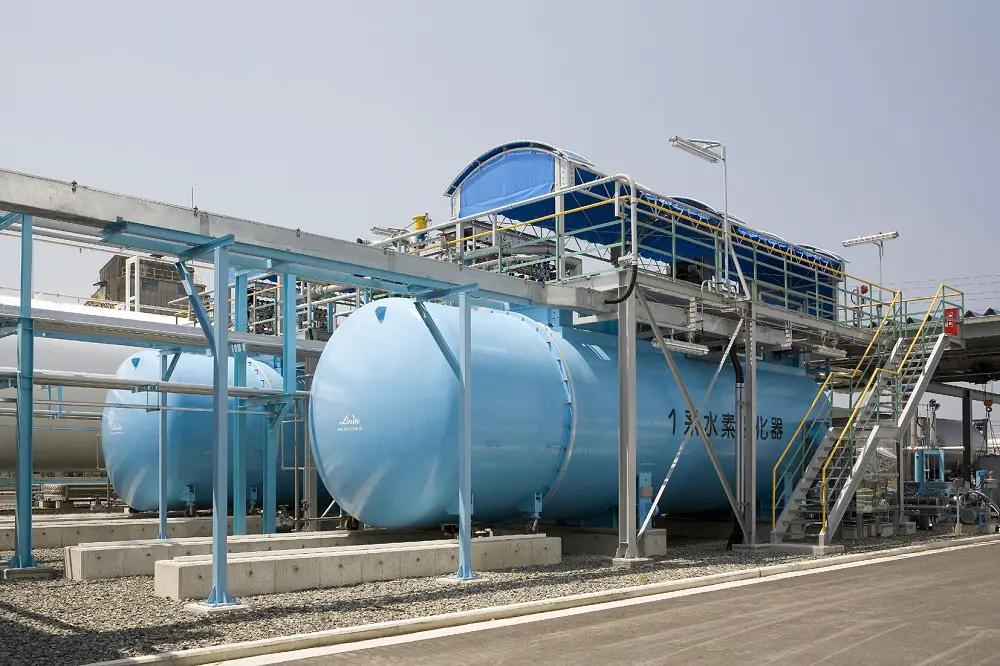
As of June 2026, the Ulsan liquid hydrogen plant, a joint venture between South Korea’s Hyosung Group and German industrial gas supplier Linde built at the Hyosung Chemical Yongyeon site in Ulsan, has moved well past the planning stage that defined the original 2020 announcement. Construction formally began with a groundbreaking ceremony on June 21, 2021, attended by Hyosung Chairman Cho Hyun-joon, Linde Korea chief Sung Baek-seok, the mayor of Ulsan and South Korea’s vice minister of trade. The facility was set up to become South Korea’s first dedicated liquid hydrogen plant, with commercial operation originally targeted for May 2023 and a phase one capacity of 13,000 metric tons per year, enough to fuel roughly 100,000 vehicles.
Hyosung and Linde Split the Project Into Two Joint Ventures
A structural detail not present in the first report is how the partners divided the work. In February 2021 they formed two separate joint ventures, as KED Global reported. Linde Hydrogen handles production and is majority owned by Linde at 51 percent, with Hyosung Heavy Industries holding 49 percent. Hyosung Hydrogen oversees distribution and sales, with Hyosung holding 51 percent and Linde 49 percent. The plant itself was valued at around 300 billion won, roughly US$265 million, and sits on a 30,000 square metre plot that draws byproduct hydrogen from the adjacent petrochemical operations.
What the Project Means for South Korea’s Industrial Strategy
The competitive landscape has shifted since the Ulsan plant was billed as the world’s largest. The SK E&S Incheon liquid hydrogen plant began commercial operation in March 2024 with an annual capacity of 30,000 tons, taking the title of the world’s single largest facility of its kind. The Ulsan project now reads as one pillar of a broader pattern in which the South Korean state and its conglomerates anchor strategic clusters around energy and advanced manufacturing. That same logic now drives the country’s $518 billion semiconductor mega-project, unveiled in June 2026, which pairs public backing with Samsung and SK Hynix capital to build four new chip fabs. Hydrogen and chips are emerging as twin planks of the same national bet on future industries.
Ulsan Liquid Hydrogen Plant Expansion and Next Steps
Hyosung has signalled a long term commitment that extends well beyond the initial fab. The group plans to invest about 1 trillion won, close to US$858 million, over five years to raise liquid hydrogen output to 39,000 tons annually. On the distribution side, Hyosung Hydrogen is building large scale charging stations, with a target of roughly 120 stations nationwide and the first located in Ulsan. The group has since completed an early liquefied hydrogen charging station in Gwangyang in Jeollanam-do and joined the national hydrogen network HyNet, signs that the value chain envisioned in 2020 is steadily being built out.
Project Overview
- Project Name: Ulsan Liquid Hydrogen Plant
- Location: Hyosung Chemical Yongyeon site, Ulsan, South Korea
- Developer/Owner: Hyosung Group and Linde, via the Linde Hydrogen and Hyosung Hydrogen joint ventures
- Total Cost/Value: Approximately 300 billion won, roughly US$265 million
- Scale/Capacity: 13,000 metric tons of liquid hydrogen per year in phase one, planned to expand to 39,000 tons
- Construction Start: Groundbreaking on June 21, 2021
- Expected Completion: Commercial operation originally targeted for May 2023
- Funding/Financing: Private investment by Hyosung and Linde, plus a planned 1 trillion won Hyosung expansion programme
- Current Status: Past groundbreaking and into the operations phase; no longer the world’s single largest after SK E&S Incheon launched in March 2024
- Key Milestone: Formation of two joint ventures in February 2021 and the first liquefied hydrogen charging station completed in Gwangyang
Project Team
- Hyosung Group: Project co-developer and site owner
- Hyosung Heavy Industries: Hyosung’s machinery affiliate and 49 percent partner in the production joint venture
- Linde: Co-developer and industrial gas technology provider
- Linde Hydrogen: Joint venture responsible for liquid hydrogen production, Linde 51 percent and Hyosung 49 percent
- Hyosung Hydrogen: Joint venture responsible for distribution and sales, Hyosung 51 percent and Linde 49 percent
- Hyosung Chemical: Operator of the Yongyeon site supplying byproduct hydrogen
- Ministry of Trade, Industry and Energy: Government body supporting the national hydrogen strategy
- HyNet: National hydrogen charging network joined by Hyosung Heavy Industries
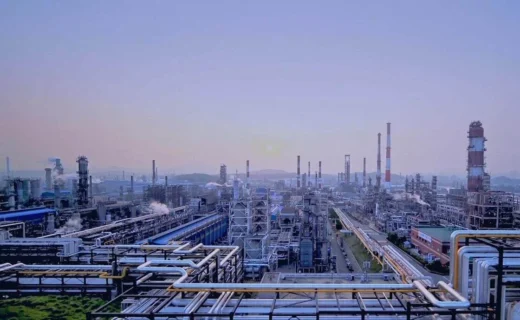
Reported 1st May 2020: The world’s largest liquid hydrogen plant is set to be constructed in Ulsan, South Korea by Hyosung group in partnership with chemical company Linde. Hyosung Group’s Chairman Cho Hyun-joon and Linde Korea’s Sung Baek-seok signed have signed a memorandum of understanding (MoU), agreeing to invest US $244 m until 2022, to establish a comprehensive value chain for liquid hydrogen production, delivery and facility operation.
The facility
The facility which will be built on a 30,000 square meter piece of land, inside Hyosung Chemical’s Yongyeon plant in Ulsan is expected to produce 13,000 metric tons of liquid hydrogen per year, enough to power 100,000 cars.
According to Cho Hyun-joon Hydrogen is an environment-friendly energy source with endless potential that can change the carbon-centered economic structure. “The core of our liquid hydrogen business is to enable storing and delivering of hydrogen efficiently and safely. I believe the investment will play a role in activating the domestic hydrogen industry,” he affirmed.
Also Read: World’s largest solar modules production plant to be constructed in China
Linde’s Sung Baek-seok said their cooperation with Hyosung will create “synergy. “Linde Group has been producing and using liquid hydrogen in the US and Europe for the past 30 years, and we are developing various applications that can be used in the mobility sector,” he added.
Hyosung and Linde, will establish a joint corporation within this year and embark on the work in the first quarter of 2021. The hydrogen produced as a byproduct from the Yongyeon Plant will be reprocessed as liquid hydrogen with Linde’s technology and facilities. The final product would be possible to use in electric cars but also in drones, ships and trucks, Hyosung said.
The companies also plan to develop a liquid-hydrogen recharging infrastructure during the time plant’s construction is completed. They aspire to set up nearly 120 hydrogen recharging station, including 50 new and 70 enlarged stations to fuel liquid hydrogen in key points across South Korea.

Leave a Reply