
Britain hydropower storage project plans are gathering pace as the United Kingdom seeks stronger energy security through long-duration electricity storage. The government and regulators now view pumped-storage hydropower as critical infrastructure that can balance renewable electricity, reduce dependence on imported gas, and improve grid resilience. The latest project pipeline could attract more than £3 billion in investment across Scotland, marking Britain’s biggest hydropower expansion in four decades.
The renewed investment follows years of growing renewable generation. Although wind and solar capacity continues to expand rapidly, electricity production still fluctuates with weather conditions. Consequently, policymakers are backing pumped-storage hydropower because it stores surplus electricity and releases it during periods of high demand. Industry experts believe this approach will strengthen Britain’s clean energy transition while supporting future construction activity across the country.
Britain hydropower storage project drives major construction pipeline
The construction programme centres on several pumped-storage hydropower developments in Scotland. These schemes will become the first major hydropower facilities built in Great Britain since the Dinorwig plant entered service in 1984.
Ofgem recently advanced 16 long-duration electricity storage projects into the next selection stage under its cap-and-floor investment mechanism. The regulator identified pumped-storage hydropower as one of four technologies capable of delivering reliable electricity when renewable generation declines.
Among the leading developments is the Coire Glas Pumped Storage Hydro Scheme, expected to provide up to 1.3GW of generating capacity. The Loch Kemp Pumped Storage Hydro Project and Earba Pumped Storage Hydro Project also form part of Britain’s expanding storage portfolio. Together, these projects would supply flexible electricity while supporting construction employment and regional economic growth.
According to energy analysts, pumped-storage hydropower works like a giant battery. The facilities pump water uphill when renewable electricity is abundant. They later release the water through turbines to generate electricity during peak demand. Therefore, they provide stability without relying on imported fossil fuels.
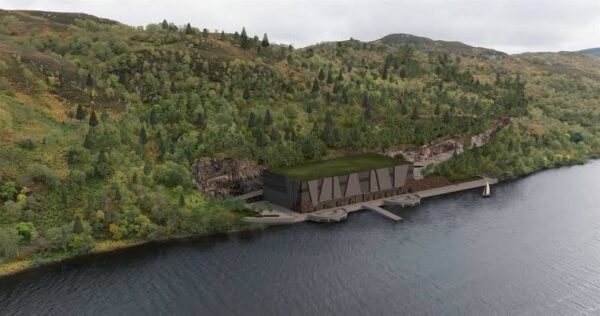
Britain hydropower storage project supports energy resilience
Britain’s energy strategy increasingly focuses on domestically produced electricity. Recent geopolitical disruptions and volatile gas markets exposed the risks of depending on imported fuels. As a result, the government continues supporting technologies that improve supply security while reducing carbon emissions.
Hydropower complements Britain’s rapidly growing renewable sector. Unlike wind and solar, pumped-storage plants can respond within minutes to changing electricity demand. They also reduce renewable energy curtailment by storing excess power instead of allowing it to go unused.
Industry observers also expect these projects to stimulate investment in civil engineering, tunneling, dam construction, underground powerhouses, transmission infrastructure, and environmental mitigation works. These activities should create skilled jobs while strengthening local supply chains throughout Scotland.
Furthermore, National Grid continues planning extensive transmission upgrades to accommodate growing renewable generation and new storage facilities. These network improvements will help transport clean electricity efficiently between Scotland and demand centers across England and Wales.
Construction outlook for Britain’s hydropower expansion
Developers expect regulatory certainty to unlock billions of dollars in private investment over the coming years. The cap-and-floor mechanism aims to reduce investment risk while encouraging delivery of strategic storage infrastructure.
Construction activity should accelerate once projects receive final approvals and financing. The developments will require extensive excavation, water management systems, tunnels, substations, access roads, and grid connections before commissioning.
Ultimately, Britain’s renewed commitment to hydropower demonstrates that long-duration energy storage has become a strategic construction priority. As renewable generation expands, these projects will help secure reliable electricity supplies while supporting economic growth and advancing national decarbonisation objectives.
Britain’s renewed focus on pumped-storage hydropower also reflects broader innovation across the sector. Beyond large-scale storage projects, developers continue introducing new technologies that improve efficiency while reducing environmental impacts. For instance, Germany commissioned the world’s first shaft hydropower plant, a design that places turbines below the riverbed to generate renewable electricity while allowing fish to migrate naturally.

Project fact sheet
Project name: Britain Hydropower Storage Project Program
Focus: Long-duration pumped-storage hydropower infrastructure
Country: United Kingdom
Primary location: Scotland
Estimated investment: £3 billion
Project type: Pumped-storage hydroelectric energy storage
Status: Regulatory selection and project development
Lead objective: Improve national energy security and grid flexibility
Main technologies:
- Pumped-storage reservoirs
- Underground power stations
- Reversible turbines
- Transmission infrastructure
Key projects:
- Coire Glas
- Loch Kemp
- Earba pumped-storage hydro schemes
Expected benefits:
- Renewable energy balancing,
- Reduced gas dependence,
- Lower system costs,
- Grid resilience
- Employment creation
Construction scope: Dams, tunnels, underground caverns, substations, transmission connections, roads and water infrastructure
Strategic significance: First major hydropower expansion in Great Britain in over 40 years
Project team
Project sponsor: UK Government
Energy policy: Department for Energy Security and Net Zero
Energy regulator: Ofgem
Transmission partner: National Grid
Developer:
- SSE Renewables – Coire Glas Pumped Storage Hydro Scheme
- Statera Energy – Loch Kemp Pumped Storage Hydro Project
- Gilkes Energy – Earba Pumped Storage Hydro Project
Investment framework: Long Duration Electricity Storage (LDES) Cap-and-Floor Scheme
Engineering disciplines:
- Civil engineering,
- Hydropower engineering,
- Tunneling,
- Geotechnical engineering,
- Electrical engineering
- Environmental management

Leave a Reply