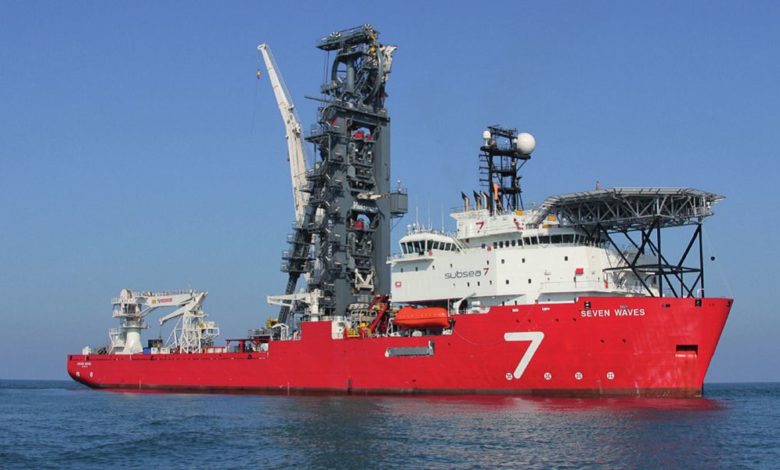
Aseng gas project continues to gain momentum offshore Equatorial Guinea as Subsea7 secures a contract worth approximately $300 million. Moreover, the award supports Chevron-led efforts to monetize gas resources at the Aseng field. Consequently, the project targets reduced flaring and improved energy efficiency. Additionally, it strengthens subsea infrastructure across deep-water assets. Therefore, stakeholders expect both environmental and economic gains.
Aseng Gas Project Drives Subsea Scope for Chevron and Partners
Subsea7 will deliver engineering, procurement, construction, and installation services under the contract. Specifically, the scope includes subsea structures, pipelines, and associated systems. Furthermore, the company will manage offshore transport and installation campaigns. As a result, the project integrates new infrastructure with existing facilities.
The Aseng field lies offshore Equatorial Guinea in water depths exceeding 1,000 meters. Therefore, the development requires advanced deep-water engineering capabilities. Subsea7 will deploy specialized vessels and technologies during execution. Meanwhile, offshore activities are expected to commence in 2026.
Importantly, the Aseng gas project focuses on monetizing associated gas volumes. Previously, operators reinjected or flared excess gas. However, the new subsea system will enable gas export. Consequently, the development reduces emissions and enhances resource utilization.
Aseng Gas Project Strengthens Chevron’s Regional Gas Strategy
The Aseng gas project supports Chevron’s broader strategy to expand gas developments in West Africa. Notably, the company continues to prioritize lower-carbon energy solutions. Therefore, this project aligns with global energy transition goals. Additionally, it enhances Equatorial Guinea’s ambition to become a regional gas hub.
Subsea7 will fabricate critical components within its global yard network. Subsequently, the company will transport equipment to the offshore site. Moreover, installation campaigns will utilize advanced offshore vessels. As a result, execution efficiency remains a key focus.
Industry analysts emphasize the value of subsea tiebacks in extending asset life. In this case, the Aseng gas project leverages existing infrastructure. Therefore, operators can significantly reduce capital expenditure. Furthermore, the approach accelerates timelines and improves overall project economics.
Aseng Gas Project Timeline and Economic Impact
The Aseng gas project will create jobs across engineering, fabrication, and offshore operations. Additionally, it will boost local supply chain participation. Consequently, the development contributes to Equatorial Guinea’s economic growth.
Subsea7 plans to begin engineering and project management activities immediately. Meanwhile, offshore installation will follow detailed design completion. Therefore, execution will progress in phases through 2026 and beyond.
Importantly, the project reflects sustained investment in offshore Africa. Despite global energy shifts, gas developments remain critical. Moreover, gas offers a lower carbon footprint compared to oil. Therefore, the Aseng gas project supports cleaner energy objectives.
The development will enhance production efficiency at the Aseng field. Furthermore, it will reduce flaring volumes significantly. Consequently, stakeholders expect long-term environmental and operational benefits.
West Africa is advancing it energy sector with similar projects such Nigeria’s $550 Million Ubeta Upstream Gas Project. This project complements the Equatorial Guinea’s Aseng gas project which aims to advance provision of clean energy in the country.
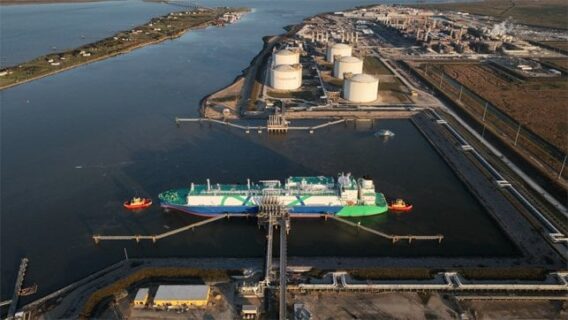
Project Fact Sheet
Project Name: Aseng Gas Project
Location: Offshore Equatorial Guinea, Gulf of Guinea
Water Depth: Over 1,000 meters
Project Value: Approximately $300 million
Scope of Work:
- Engineering, procurement, construction, and installation (EPCI)
- Subsea structures installation
- Pipeline and flowline systems
- Integration with existing Aseng infrastructure
Operator: Chevron
Partners: GEPetrol and other field stakeholders
Contractor: Subsea7
Start Date: 2026 (expected)
Execution Timeline: Multi-phase delivery beyond 2026
Objective:
- Monetize associated gas
- Reduce gas flaring
- Improve production efficiency
Key Features:
- Deepwater subsea tieback
- Gas export infrastructure
- Integration with existing FPSO systems
Project Team
Operator: Chevron (lead operator of the Aseng field)
National Partner: GEPetrol (Equatorial Guinea national oil company)
Main Contractor: Subsea7 (EPCI contractor for subsea scope)
Engineering & Project Management: Subsea7 global engineering teams
Fabrication: Subsea7 international fabrication yards
Installation: Subsea7 offshore installation fleet
Government & Regulators:
- Ministry of Mines and Hydrocarbons, Equatorial Guinea
- GEPetrol
Supply Chain Partners:
- Subsea equipment suppliers
- Marine logistics and support service providers


Leave a Reply