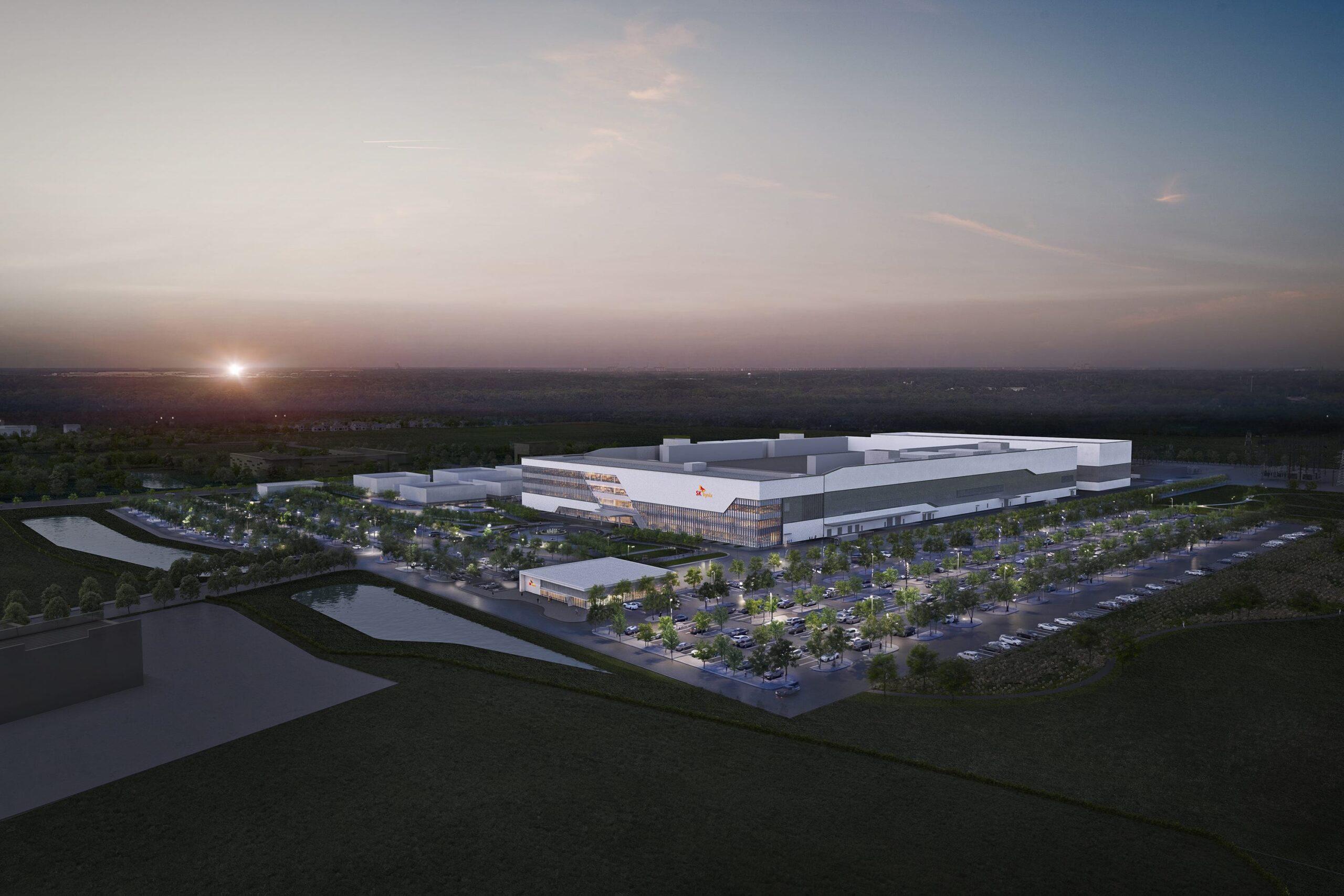
The construction of the $3.8bn SK Hynix microchip facility in Indiana is being fast tracked by officials despite fierce opposition. Local politicians in West Lafayette, Indiana, where the project is, are making efforts to ensure the project’s implementation. They are moving swiftly to assist the South Korean-headquartered semiconductor corporation and its Purdue Research Foundation (PRF) partners through tax incentives and needed approvals.
However, residents are mounting a fierce opposition as they aim to stop construction and reverse the rezoning of their neighborhood. Nonetheless, local officials have claimed the chip factory will be a “transformative economic catalyst” that will benefit the community by promoting job growth.
It will also bring prosperity to the area. However, community members point to the backroom nature of the arrangements between SK Hynix, PRF and government officials. Residents have noted that any purported “benefits” to the community are claims for a project that does not serve their interests. Other similar projects advancing across the U.S. include the Intel Ohio One semiconductor manufacturing facility.
Intel’s Ohio One mega-campus in New Albany is pacing construction to align with customer demand. The first fabrication plant is now slated for completion in 2030, with operations starting between 2030 and 2031. The second module will follow roughly a year late. However, local opposition is mounting over such projects as the $55bn Terafab manufacturing facility by SpaceX contemplates with a similar issue. Local residents are voicing concerns about environmental impacts. They also criticized the sheer scale of tax incentives being offered to one of the world’s most valuable private companies.
Scope of Implementation on the SK Hynix Microchip Facility in Indiana
The SK Hynix Microchip facility in Indiana is gaining government backing as it aims to begin mass production in the second half of 2028. However, the project is slowly being drawn into setbacks and controversies as residents continue to mount pressure. A petition in court filed late last year is still in hearing as residents seek to halt construction of the project. This comes as above-ground construction of the main facility is slated to begin later in 2026. SK Hynix also broke ground on a new $12.9 billion advanced packaging facility in South Korea earlier this year.
The residents are also objecting to plans by SK Hynix to purchase treated water from the local aquifers through Indiana American Water. The firm is the he largest investor-owned water utility in the state. The HBM chip manufacturing process—stacking multiple layers of memory, bonding of individual wafers, and cooling—requires nearly 4 million gallons of water per day. This is one-and-a-half times the current water consumption in the West Lafayette area.
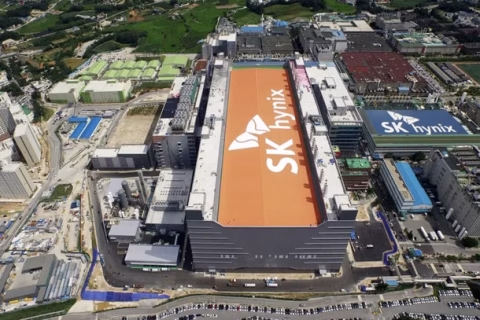
Project Factsheet:
- Project Name: SK Hynix Memory Chip Manufacturing Facility
- Location: West Lafayette, Indiana, USA
- Investment Value: $3.8 Billion
- Project Type: Semiconductor manufacturing facility (HBM memory chip production)
Timeline
- Project announcement and rezoning approvals: Ongoing
- Court petition filed by residents: Late 2025
- Above-ground construction phase: Expected to begin in 2026
- Mass production target: Second half of 2028
- Current phase: Fast-tracked approvals and pre-construction activities
Site & Scale
- Facility type: High-bandwidth memory (HBM) semiconductor manufacturing plant
- Daily water demand: Nearly 4 million gallons per day
- Water usage comparison: Approximately 1.5x current West Lafayette area consumption
- Strategic partnership: SK Hynix + Purdue Research Foundation (PRF)
Project Teams
- Developer: SK Hynix
- Local partner: Purdue Research Foundation (PRF)
- Government stakeholders: West Lafayette officials and Indiana state authorities
- Water supplier: Indiana American Water
Infrastructure Scope
- Advanced semiconductor fabrication facility
- HBM chip manufacturing operations
- Wafer bonding and stacked memory production systems
- Industrial cooling and water treatment infrastructure
Strategic Objectives
- Expand U.S.-based semiconductor manufacturing capacity
- Strengthen domestic chip supply chains
- Support advanced AI and high-performance computing markets
- Create jobs and stimulate regional economic development
- Position Indiana as a semiconductor manufacturing hub
Challenges
- Fierce resident opposition to the project
- Legal petition seeking to halt construction
- Concerns over transparency in agreements between officials and developers
Current Status
- Project receiving strong political and institutional backing
- Also fast-tracked implementation efforts underway
- Rezoning remains controversial



Leave a Reply