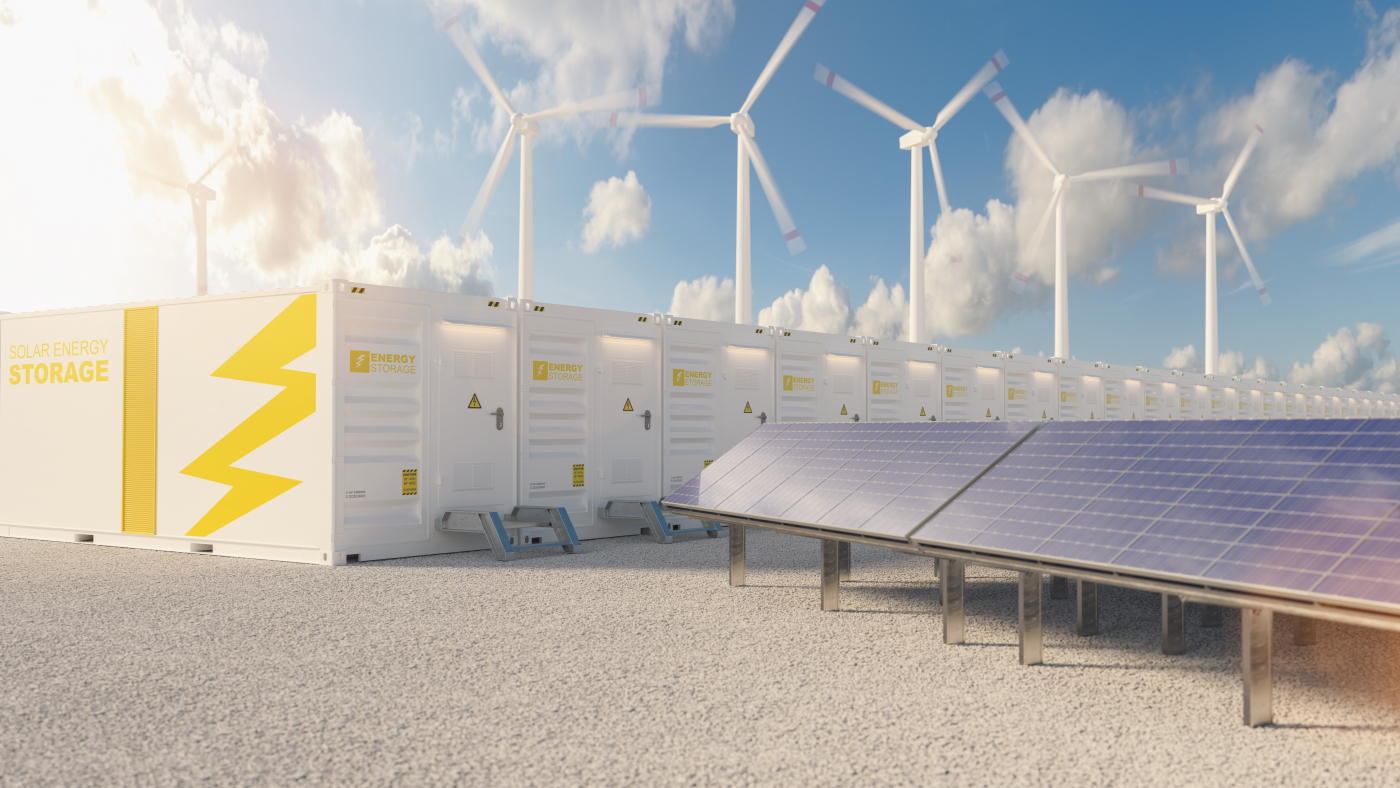
Egypt’s 5.6GW power purchase agreements (PPAs) for renewables projects advances its clean energy goals rapidly. Developers will build major solar, wind, and battery facilities across strategic locations. These initiatives strengthen grid stability and cut fossil fuel dependence. Private partners commit significant capital to deliver reliable green power. Moreover, the agreements mark a bold step toward energy security and sustainability.
The deals cover 5,620 MW of capacity in total. Wind power contributes 900 MW while solar adds over 2,720 MW. Battery storage reaches 2,000 MWh to balance supply fluctuations. Consequently, these projects integrate generation with storage solutions effectively. Egypt targets more than 42% renewables in its power mix by 2030. Furthermore, the vision extends toward 60% or higher by 2040. Thus, the PPAs support long-term strategy objectives directly.
Wind Power Takes Center Stage in Red Sea Region
Developers break ground soon on the 900 MW Ras Shokeir wind farm. The site lies on the Red Sea coast in the Red Sea Governorate. A strong consortium leads the build-own-operate project. Orascom Construction holds a 25% stake and handles civil works plus electrical balance. ENGIE brings global expertise as a key partner.
Toyota Tsusho and Eurus Energy complete the Japanese involvement through Shokeir Wind Energy company. Moreover, the team signs a 25-year PPA with the Egyptian Electricity Transmission Company. Land usufruct rights enable smooth development. Additionally, this farm builds on the consortium’s prior success with two operational wind projects totaling 912.5 MW.
Solar and Storage Cluster Drives Massive Capacity Addition
Kemet for Industries secures agreements for an ambitious solar and storage portfolio. The developer constructs a 2,000 MW solar PV plant in Nagaa Hammadi, Qena Governorate. A matching 2,000 MWh standalone battery energy storage system supports the site.
Furthermore, two additional solar projects arise in El Owainat area. One delivers 320 MW while the other provides 400 MW. Hence, the cluster totals 2,720 MW of solar generation. Kemet focuses on local manufacturing and technology transfer. Therefore, the projects create jobs and build domestic capabilities. Grid connection agreements ensure efficient power delivery to the national network.
Strategic Benefits and Private Sector Momentum
These initiatives reduce carbon emissions significantly. They enhance energy security amid rising electricity demand. Battery storage addresses intermittency challenges from renewables. Consequently, the grid gains flexibility for peak loads. Private investment flows strongly into the sector. Building-Own Operate (BOO) models attract international developers and capital. Moreover, the deals promote local content and skills development. Egypt leverages abundant solar and wind resources effectively. Thus, the country positions itself as a regional clean energy leader.
Officials emphasize uninterrupted supply through modern solutions. The New and Renewable Energy Authority coordinates land allocation. EETC handles power purchase aspects professionally. Furthermore, the government provides strong backing for execution. Developers expect commercial operations around 2027 or shortly after. Hence, timely delivery remains a priority for all parties.
Egypt’s latest renewable expansion builds on earlier milestones such as the Benban Solar Park, one of Africa’s largest solar installations, which demonstrated the country’s ability to deliver utility-scale clean energy projects successfully.
Challenges and Future Outlook
Construction teams must navigate logistics in remote desert and coastal zones. Supply chain coordination demands careful planning. Nevertheless, experienced partners bring proven track records. Egypt continues to streamline permitting processes. Additionally, grid reinforcement projects proceed in parallel. Therefore, the infrastructure supports new capacity additions smoothly. Investors monitor financing and technology integration closely. Yet, the overall momentum stays positive across the sector.
Egypt’s 5.6GW power purchase agreements for renewables projects sets a benchmark for Africa. The package demonstrates effective public-private collaboration. Moreover, it aligns with broader economic development goals. Clean energy growth stimulates related industries and employment. Consequently, the nation advances toward sustainable development targets. Future phases may expand similar hybrid models nationwide.
In summary, these agreements deliver substantial clean capacity quickly. They combine wind, solar, and storage in integrated packages. Egypt moves decisively toward its 2030 and 2040 visions. Private developers commit resources and expertise enthusiastically. Thus, the projects promise reliable, affordable green power for millions.
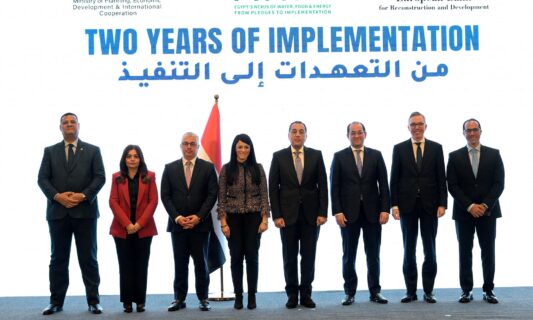
Project Fact Sheet: Egypt’s 5.6GW Power Purchase Agreements
Total Capacity: 5,620 MW renewables + 2,000 MWh BESS
Wind Component: 900 MW Ras Shokeir onshore wind farm (Red Sea coast)
Solar Components: 2,000 MW in Nagaa Hammadi (Qena); 320 MW and 400 MW in El Owainat (Western Desert)
Storage: 2,000 MWh standalone BESS in Nagaa Hammadi
Investment Estimate: Approximately $4.2 billion (based on typical regional costs for similar utility-scale solar, wind, and BESS projects)
PPA Term: 25 years (BOO model)
Expected COD: Targeted for 2027 onward
Offtaker: Egyptian Electricity Transmission Company (EETC)
Strategic Alignment: Supports >42% renewables by 2030 and higher share by 2040
Key Benefits: Reduced fuel imports, lower emissions, enhanced grid stability, job creation, and local manufacturing push
Project Team: Egypt’s 5.6GW Power Purchase Agreements
Wind Project (Ras Shokeir 900 MW):
- Consortium Leader & Civil/Electrical Works: Orascom Construction (Egypt, 25% stake)
- Global Energy Partner: ENGIE (France) – develops its largest onshore wind farm worldwide
- Japanese Partners: Toyota Tsusho Corporation and Eurus Energy (via Aeolus/AlEos entities)
- Project Company: Shokeir Wind Energy
- Offtaker & Agreements: Egyptian Electricity Transmission Company (EETC) and New & Renewable Energy Authority (NREA)
Solar + Storage Cluster (Kemet Portfolio):
- Developer: Kemet for Industries (executive arm of United Egypt Group for National Industries / Kemet Group)
- Key Projects: 2,000 MW solar + 2,000 MWh BESS in Nagaa Hammadi; 720 MW solar (320 MW + 400 MW) in El Owainat
- Focus Areas: Large-scale PV generation, standalone battery storage, local content manufacturing, and technology localization
- Agreements: PPAs, grid connection, and land usufruct rights with EETC and NREA
- Support Entities: Egyptian Cabinet, Ministry of Electricity and Renewable Energy (Minister Mahmoud Esmat), and Future of Egypt for Sustainable Development Authority
Leave a Reply