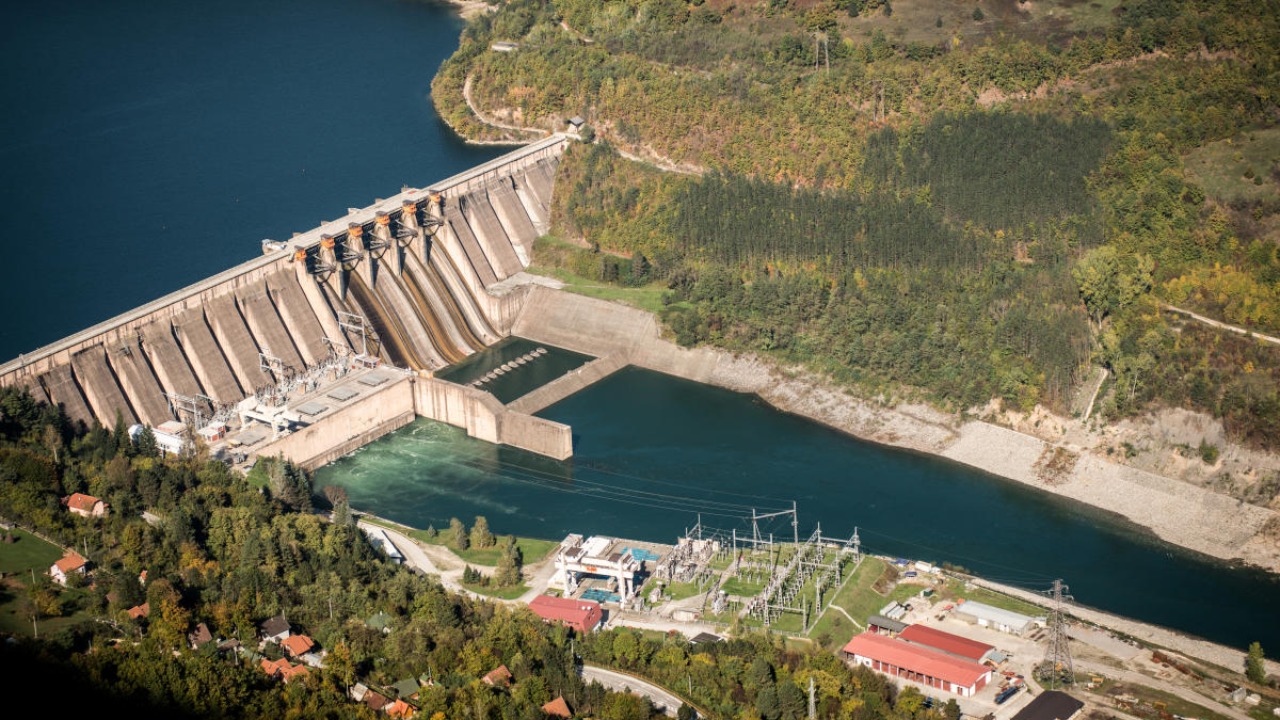
Arunachal Pradesh Hydropower Projects move forward after India approves over $4 billion investment, therefore unlocking large-scale construction works across the northeastern region. The approval covers two major schemes, namely the Kamala and Kalai-II projects, which will significantly expand hydropower generation capacity in Arunachal Pradesh. Moreover, the combined investment exceeds ₹40,000 crore, thus reinforcing India’s long-term renewable energy construction pipeline and infrastructure development strategy.
Arunachal Pradesh Hydropower Projects drive major construction activities
Arunachal Pradesh Hydropower Projects will trigger extensive construction works, including dams, tunnels, and underground powerhouses across multiple districts in the state. The Kamala project will deliver about 1,720 MW capacity, while engineers will construct a concrete gravity dam and advanced underground systems.
Similarly, the Kalai-II project will add further generation capacity, thereby strengthening electricity supply reliability within the northeastern grid network. Furthermore, developers will integrate flood moderation infrastructure, thus enhancing resilience across the Brahmaputra basin and surrounding communities. Meanwhile, construction will extend across Kamle, Kra Daadi, and Kurung Kumey districts, therefore creating new infrastructure corridors and access networks.
Arunachal Pradesh Hydropower Projects align with India’s energy transition goals
These projects support India’s renewable energy targets, as the government accelerates hydropower construction to complement solar and wind capacity. Additionally, the projects will enhance energy security in remote regions, while supporting stable power supply across border and underserved areas. The northeastern region holds significant untapped hydropower potential, therefore positioning Arunachal Pradesh as a key construction hub for future investments.
At the same time, the developments will generate employment opportunities, while stimulating contractor participation and regional economic growth. Consequently, the government continues prioritizing hydropower projects to balance intermittent renewable sources and maintain grid stability nationwide.
Arunachal Pradesh Hydropower Projects strengthen strategic infrastructure
The projects will enhance strategic infrastructure, while improving water resource management and supporting long-term regional development initiatives. The projects will contribute to flood control systems, therefore reducing risks within the Brahmaputra basin and improving environmental resilience. Moreover, authorities will align the schemes with transmission expansion plans, thus enabling efficient evacuation of generated power to demand centers.
In addition, public sector developers will oversee execution, thereby ensuring coordinated construction delivery and long-term operational efficiency. Ultimately, the projects will strengthen sustainable construction growth, while reinforcing India’s position in large-scale hydropower infrastructure development.
In discussing India’s expanding hydropower construction landscape, it’s useful to view these projects in the context of other recent Indian hydroelectric construction milestones. For instance, the Lower Kopili Hydropower Project in Assam marked a notable development in 2020–2021 when civil works began on the 120 MW run‑of‑river scheme for Assam Power Generation Corporation Limited.
The Lower Kopili project involved complete engineering, procurement, construction and commissioning of infrastructure including a 65‑metre concrete gravity dam, headrace tunnel and surface powerhouse illustrating the evolving hydropower construction capacity within India’s northeast region.
This earlier initiative complements the narrative of the Arunachal Pradesh Hydropower Projects, as both efforts reflect India’s strategic push to build renewable energy infrastructure that boosts generation capacity, enhances regional development, and strengthens supply reliability across the country’s power grid.
Project Fact Sheet
Project Name: Arunachal Pradesh Hydropower Projects (Kamala & Kalai-II)
Location: Arunachal Pradesh, India
Total Investment: Over $4 billion (approx. ₹40,000+ crore)
Project Type: Hydropower construction and energy infrastructure
Installed Capacity:
- Kamala Hydroelectric Project – approx. 1,720 MW
- Kalai-II Hydroelectric Project – additional capacity contribution
Key Components:
- Concrete gravity dam (Kamala)
- Underground powerhouse complexes
- Water conveyance tunnels
- Flood moderation systems
Construction Scope:
- Heavy civil engineering works
- Electro-mechanical installations
- Transmission integration infrastructure
- Access roads and regional connectivity upgrades
Funding Structure:
- Debt-equity ratio estimated at 70:30
- Central government support mechanisms
- State incentives including tax reimbursements
Timeline: Multi-year construction period (estimated up to 8 years for Kamala project)
Key Benefits:
- Renewable energy generation
- Flood control enhancement
- Regional economic development
- Grid stability and energy security
Project Team
Project Owner: Government of India
State Partner: Government of Arunachal Pradesh
Lead Developer: NHPC Limited
Equity Structure:
- NHPC Limited – Majority stake
- Government of Arunachal Pradesh – Minority stake
Regulatory Authorities:
- Ministry of Power, India
- Central Electricity Authority
- Public Investment Board
Engineering & Construction Stakeholders:
- Civil works contractors (dams and tunnels)
- Hydro-mechanical equipment suppliers
- Power transmission contractors
- Environmental and geotechnical consultants
Supporting Stakeholders:
- Regional infrastructure agencies
- Local administrative authorities
- Community development bodies
Execution Model: Public sector-led development with long-term operation and asset management structure

Leave a Reply