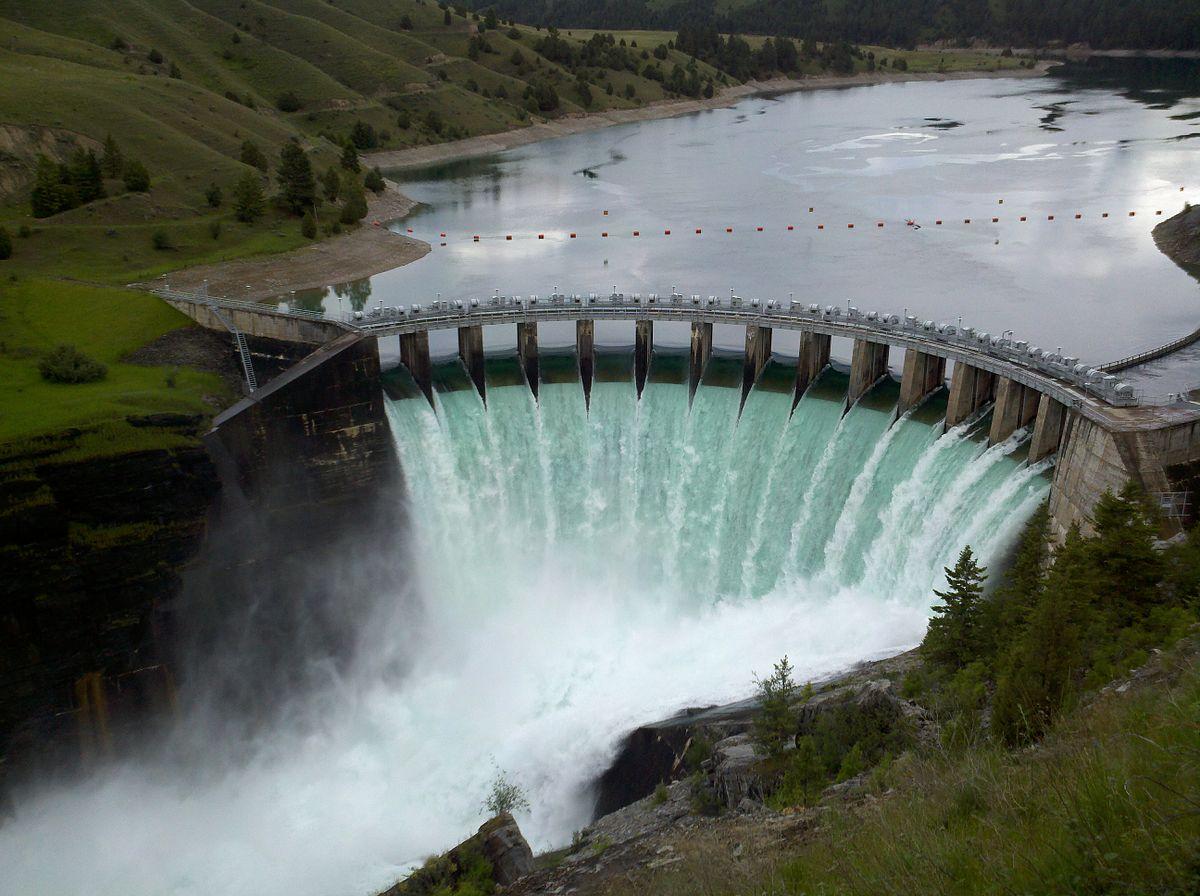
The Lower Kopili Hydropower Project in Assam reached a key milestone in 2026, reflecting India’s growing commitment to regional renewable energy infrastructure development. This 120 MW run-of-river project, executed by Larsen & Toubro for Assam Power Generation Corporation Limited (APGCL), integrates civil, hydro-mechanical, and commissioning works.
The project was virtually inaugurated by Prime Minister Narendra Modi on 13 March 2026 in a ceremony held at Longku in Dima Hasao. It is now considered complete and has entered the operational phase (or final commissioning), contributing additional renewable energy capacity to Assam’s power grid and supporting electricity supply in the region. The project complements larger initiatives such as the $4 billion Arunachal Pradesh Hydropower Projects, which are advancing India’s renewable energy construction goals.
Lower Kopili Hydropower Project Drives Regional Construction
Construction activities encompass a 65 m high concrete gravity dam, surface powerhouse, and a 3.6 km head race tunnel, which improve both water management and energy generation. Moreover, contractors continue building auxiliary infrastructure, including project roads and power intake structures, providing employment while strengthening regional connectivity. Project engineers integrate flood and sediment control systems to protect downstream communities, illustrating the synergy between construction works and environmental safety.
Lower Kopili Project Supports India’s Renewable Energy Goals
This project contributes to Assam’s electricity supply while aligning with India’s national renewable energy objectives, complementing hydro, solar, and wind capacity. Furthermore, the project provides practical lessons for newer schemes, such as the Arunachal Pradesh Hydropower Projects, emphasizing large-scale construction management and strategic infrastructure development. By improving regional grid reliability, the project ensures consistent energy delivery, which benefits both rural and urban electricity consumers across Assam.
Also Read: Consortium formed towards the implementation of Inga III hydropower project in Congo
Scope of work
The scope involves construction of all components of 120MW Lower Kopili Hydro-electric
Project viz Roads, 65 mtr High Concrete Gravity Dam, Power Intakes, Surface Powerhouse
and a 3.6 km long Head Race Tunnel.
About Larsen & Toubro
Larsen & Toubro is an Indian multinational engaged in technology, engineering, construction, manufacturing and financial services with over US $21bn in revenue. It operates in over 30 countries worldwide. A strong, customer–focused approach and the constant quest for top-class quality have enabled L&T to attain and sustain leadership in its major lines of business for eight decades.
Project Fact Sheet
Project Name: Lower Kopili Hydropower Project
Location: West Karbi Anglong and Dima Hasao Districts, Assam, India
Capacity: 120 MW
Project Type: Run-of-river hydroelectric construction
Scope: Civil, hydro-mechanical, and commissioning works, including dam, tunnels, powerhouse, and access roads
Key Components: 65 m concrete gravity dam, 3.6 km head race tunnel, surface powerhouse, project roads
Timeline: Started 2020, inaugurated in March, 2026, phased commissioning planned
Benefits: Regional energy generation, renewable capacity, infrastructure modernization, employment, flood management
Project Team
Project Owner: Assam Power Generation Corporation Limited (APGCL)
Main Contractor: Larsen & Toubro (L&T Construction)
Engineering Consultants: Hydro-mechanical specialists, civil and geotechnical experts
Equipment Suppliers: ANDRITZ (turbine and generator systems)
Supporting Agencies: Assam State Infrastructure and Water Resource Departments
Regulatory Approvals: Ministry of Power, Central Electricity Authority, local environmental authorities

Leave a Reply