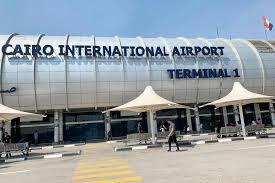
Cairo airport expansion project is set to transform Africa’s busiest aviation hub through a $4 billion upgrade, targeting a doubling of annual passenger capacity from 30 million to 60 million. The ambitious development will reshape infrastructure at Cairo International Airport, positioning it as a leading global transit hub while responding to sustained passenger growth and rising regional demand.
Cairo airport expansion project accelerates terminal and runway upgrades
The Cairo airport expansion project will deliver new terminals, expanded runways, and upgraded support infrastructure. Additionally, planners aim to ease congestion and improve passenger flow across existing facilities. The project includes a new terminal building designed to handle millions of additional travelers annually.
Moreover, authorities will modernize baggage systems and introduce advanced digital technologies. These upgrades will enhance operational efficiency and reduce waiting times significantly. At the same time, airside improvements will increase aircraft handling capacity.
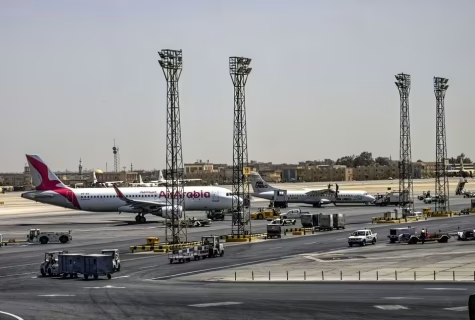
Furthermore, developers plan to expand apron areas and construct new taxiways. These additions will support higher aircraft movements and minimize delays. Consequently, the airport will handle larger volumes without operational strain.
According to international aviation forecasts, passenger numbers across Africa continue to grow rapidly. Therefore, this project aligns with long-term demand projections and regional connectivity goals. It also supports Egypt’s ambition to strengthen its position as a major aviation gateway.
Cairo airport expansion project strengthens regional connectivity and tourism
The Cairo airport expansion project will boost tourism and trade by improving connectivity across Africa, Europe, and the Middle East. As a result, airlines will gain increased capacity to operate additional routes and frequencies.
In addition, the project supports Egypt’s broader economic development strategy. Tourism remains a key contributor to national GDP, and improved airport infrastructure will attract more international visitors. Consequently, hospitality and transport sectors are expected to benefit.
Meanwhile, the expansion will create thousands of construction and operational jobs. Contractors will require skilled labor for civil works, mechanical installations, and systems integration. This demand will stimulate local employment and supply chains.
However, planners must manage construction phases carefully to avoid disrupting ongoing airport operations. Phased development strategies will ensure continuity while upgrades proceed. This approach minimizes inconvenience to passengers and airlines.
Reports indicate that the upgrade will incorporate sustainable construction practices. For instance, energy-efficient systems and environmentally friendly materials will be prioritized. These measures will reduce the airport’s carbon footprint over time.
Strategic investment reshapes Africa’s busiest aviation hub
The scale of the Cairo airport expansion project reflects growing competition among global aviation hubs. Therefore, Egypt is investing heavily to maintain Cairo’s leading position in Africa. The upgrade will enable the airport to compete with major international transit centers.
Additionally, the project enhances resilience against future demand shocks. By expanding capacity now, the airport can accommodate long-term growth without requiring immediate further upgrades. This forward-looking approach strengthens infrastructure planning.
At the same time, improved passenger experience remains a core objective. Designers will focus on comfort, accessibility, and efficient movement within terminals. As a result, travelers will benefit from modernized facilities and streamlined processes.
Furthermore, the expansion will integrate smart airport technologies. Digital systems will support real-time monitoring, automated services, and enhanced security operations. These innovations will align Cairo with global aviation standards.
Overall, the project marks a significant milestone in Africa’s aviation infrastructure development. It underscores the importance of strategic investment in transport networks to support economic growth and regional integration.
The development aligns with Egypt’s wider aviation upgrade program, which includes ongoing improvements at other key gateways. For instance, the Sharm El Sheikh International Airport upgrade project is progressing in parallel, reinforcing the country’s strategy to expand passenger handling capacity and modernize airport infrastructure across major tourism hubs. These coordinated investments highlight a national push to strengthen connectivity, improve service quality, and support sustained growth in international travel demand.
Project Fact Sheet
Project Name: Cairo Airport Expansion Project
Location: Cairo, Egypt
Project Value: $4 billion
Scope: Expansion of terminals, runways, aprons, and support infrastructure
Capacity: From 30 million to 60 million passengers annually
Key Components:
- New passenger terminal construction
- Runway and taxiway expansion
- Apron enlargement for aircraft parking
- Baggage handling system upgrades
- Digital and smart airport technology integration
- Air traffic management improvements
Construction Timeline: Phased development (dates to be confirmed)
Primary Objective: Increase capacity, improve efficiency, and enhance passenger experience
Economic Impact: Job creation, tourism growth, improved regional connectivity
Sustainability Focus: Energy-efficient systems and reduced environmental footprint
Project Team
Project Owner: Egyptian Government / Ministry of Civil Aviation
Airport Operator: Cairo International Airport Authority
Lead Consultants:
- Aviation infrastructure planning firms (to be confirmed)
- Engineering and design consultants specializing in airport development
Main Contractors: Major international and regional construction firms (to be announced)
Specialist Subcontractors:
- Baggage handling system providers
- Air traffic control technology firms
- Mechanical, electrical, and plumbing (MEP) contractors
Suppliers:
- Construction material manufacturers
- Technology and systems integration providers
Project Management: Multidisciplinary project management consultants overseeing phased delivery
Stakeholders:
- Airlines operating at Cairo International Airport
- Tourism and transport authorities
- Regional and international aviation bodies

Leave a Reply