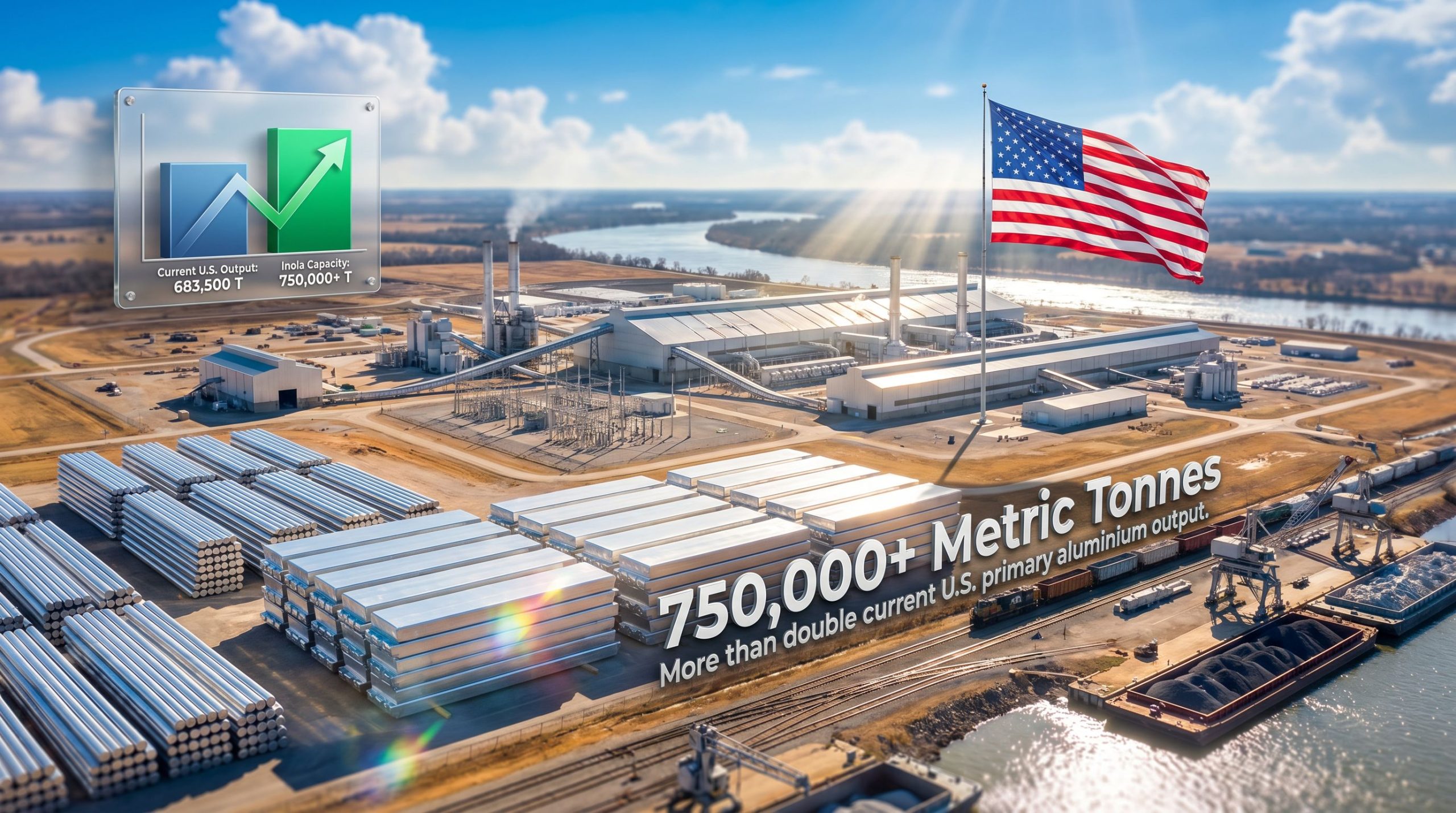
Oklahoma aluminium smelter project continues to gain momentum as technical studies and environmental permitting advance toward the next development phase. The proposed $4 billion facility in Inola, Oklahoma, aims to become the first new primary aluminium smelter built in the United States in nearly five decades.
Developers are progressing engineering assessments, site investigations, and regulatory approvals while preparing the project for future construction. The development also seeks to strengthen domestic aluminium production, create skilled jobs, and reinforce supply chains serving construction, transport, aerospace, packaging, and defence industries.
The project has now entered a critical stage where technical feasibility and permitting will determine the construction schedule. Environmental studies, air quality modelling, infrastructure planning, and detailed engineering remain key priorities before major site works begin. Meanwhile, state authorities continue reviewing permit applications under Oklahoma’s environmental regulations.
Oklahoma Aluminium Smelter Project advances through engineering and permitting
Technical studies began after Oklahoma and project developers agreed on a framework supporting the investment. The studies examine environmental performance, utility requirements, transport connections, and overall project viability before construction starts.
Developers selected Inola because of its strategic location near the Port of Inola and existing transport infrastructure. The site also offers access to rail connections, highways, and river logistics, supporting efficient raw material imports and finished product exports.
The proposed facility initially targeted annual production of 600,000 tonnes of primary aluminium. However, the project later expanded its planned capacity to approximately 750,000 tonnes following a joint development agreement. That increase would more than double current United States primary aluminium production.
Engineering work also focuses on designing reduction cells, carbon anode facilities, casting operations, storage infrastructure, and logistics systems. Supporting utilities, including electricity supply, remain central because aluminium smelting requires continuous high-power operations.
State regulators recently confirmed receipt of the project’s air quality construction permit application. Consequently, the Oklahoma Department of Environmental Quality launched its formal review process and scheduled public meetings explaining permitting procedures and stakeholder participation.
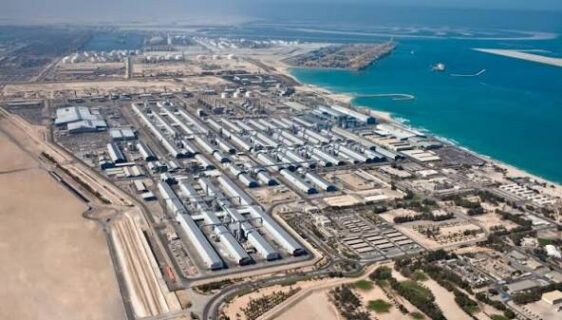
Oklahoma Aluminium Smelter Project supports domestic manufacturing expansion
The development reflects broader efforts to increase domestic production of critical industrial materials. The United States currently imports most primary aluminium used across manufacturing sectors. Therefore, the new facility could improve supply chain resilience while reducing dependence on overseas producers.
Construction is expected to generate approximately 4,000 jobs. Furthermore, the completed smelter should support around 1,000 permanent direct positions once operations begin.
Preparatory site activities are expected after permitting and technical reviews conclude successfully. Earlier project planning anticipated enabling works during 2026, followed by full construction before commercial production starts around 2029 or early 2030.
Developers continue negotiating long-term electricity arrangements because reliable and competitively priced power remains essential for commercial viability. Project planning also includes coordination with state agencies, utility providers, and local stakeholders throughout the approval process.
Although environmental reviews continue, the project represents one of Oklahoma’s largest industrial investments. It also positions the state to play a larger role in North American aluminium production while supporting future demand from construction, infrastructure, renewable energy, and advanced manufacturing industries.
The Oklahoma aluminium smelter project also reflects Oklahoma’s broader industrial construction momentum. Likewise, other major developments continue reshaping the state’s manufacturing and logistics landscape, including the planned South Air Depot Campus in Oklahoma City, which will expand aerospace and industrial capacity.
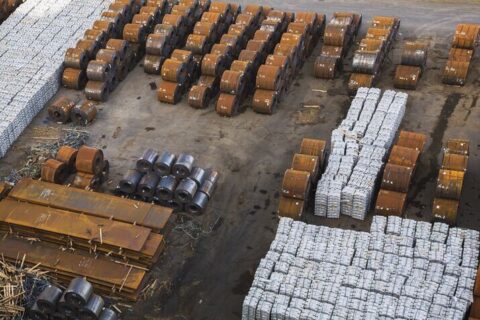
Project fact sheet
Project name: Oklahoma Aluminium Smelter Project
Location: Inola, Rogers County, Oklahoma, USA
Project value: $4 billion
Project type: Primary aluminium smelter
Industry: Metals manufacturing
Status: Technical studies and environmental permitting underway
Current phase: Engineering, feasibility assessments, environmental approvals, power negotiations
Planned annual production: Approximately 750,000 tonnes of primary aluminium
Construction jobs: Approximately 4,000
Permanent operational jobs: Around 1,000
Expected construction start: Following completion of permitting and preparatory works
Target production: Late 2029 to early 2030
Strategic significance: First new primary aluminium smelter built in the United States in nearly 50 years
Key infrastructure: Potlines, carbon anode plant, cast house, storage facilities, logistics infrastructure, utility systems
Project team
Project developer: Emirates Global Aluminium (EGA)
Joint development partner: Century Aluminum Company
Project location partner: Port of Inola
State economic development partner: Oklahoma Department of Commerce
Environmental regulator: Oklahoma Department of Environmental Quality (DEQ)
State government partner: State of Oklahoma
Utility partner: Public Service Company of Oklahoma (power supply negotiations)
Engineering scope:
- Detailed engineering
- Environmental studies
- Air quality modelling
- Infrastructure planning
- Utility integration
- Logistics design
- Permitting support
- Construction readiness planning



Leave a Reply