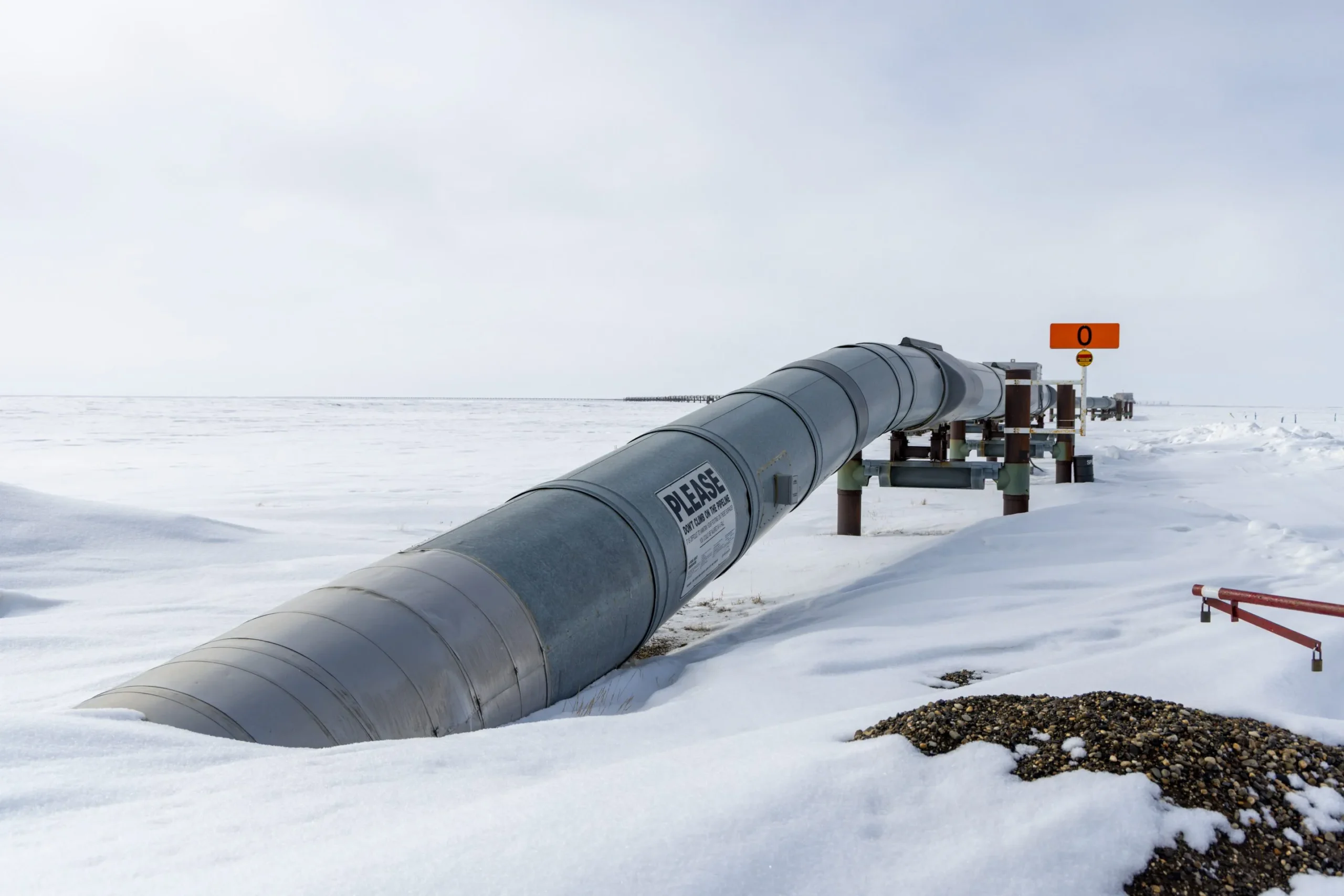
The Alaska Gasline Development Corp. plans to request $2.5 million from the Alaska State Legislature for a trans-Alaska natural gas pipeline investment program in 2027. So, AGDC will continue to seek the proposed $44 billion project following the rejection of a compromise tax-cut bill by the Alaska House. In particular, the money would be used to fund a program that would let Alaskans invest directly in the pipeline. In the meantime, AGDC is developing a strategy for a new state administration and legislature that will be in place in January 2027.
The corporation needs to submit its funding request and program information to state lawmakers, said Frank Richards, president of AGDC. In particular, the pipeline needs legislative approval and tax breaks to move forward. Glenfarne, a Texas-based development company, owns 75% of the pipeline project, while AGDC holds 25% ownership.
So both partners rely on state support in Alaska to get the huge infrastructure project going. Other gas-fired and LNG projects advancing across the US include the Encinal gas-fired power plant in Texas. The 6.3-gigawatt Encinal Texas power plant would thus be Seoul’s first significant U.S. energy investment under the two nations’ 2025 trade pact. But South Korea’s Ministry of Trade, Industry and Energy dismissed the news as false and said it is still in talks with Washington
Trans-Alaska Natural Gas Pipeline Faces Tax Policy Challenges
The latest compromise bill would have reduced the state’s petroleum property tax on the trans-Alaska natural gas pipeline and related facilities. In addition, it would have substituted that tax for a tax on gas transported by the trans-Alaska natural gas pipeline. However, the proposal also imposed corporate income taxes on some privately-held oil and gas producers currently exempt from such taxation.
State Senate members proposed a corporate income tax increase, which was opposed by Governor Mike Dunleavy. In addition, the compromise was rejected by many House members at three special legislative sessions this summer. The Senate rejected the bill without any corporate tax hikes, and it died. As a result, the pipeline is in limbo until the legislature can resolve the issue.

New Administration Offers Fresh Opportunity for Trans-Alaska Natural Gas Pipeline
A new governor will be in office in December 2026, and newly elected legislative majorities will start in January 2027. Richards said the pipeline will be “from scratch” with new legislative consideration. Furthermore, the new administration could seek out other tax relief mechanisms to back the huge project. Richards said he hopes to see some form of tax relief for the project in 2027.
Project Overview
- Project Name: Trans-Alaska Natural Gas Pipeline
- Project Value: $44 Billion
- Primary Developer: Glenfarne (Texas-based, 75% ownership)
- State Partner: Alaska Gasline Development Corp. (25% ownership)
- Status: Seeking $2.5M legislative funding for 2027 investment program
Scope
- Supporting pipeline and terminal facilities
- Statewide natural gas distribution network
- Alaskan investment program component
- Tax incentive and regulatory framework
Project Highlights
- Largest proposed Alaska energy infrastructure project
- Direct Alaskan investment participation program planned
- Strategic energy supply for state and regional markets
- Public-private partnership structure
- Critical to Alaska economic diversification
Key Developments
- Compromise tax-cut bill rejected by Alaska House 2026
- Three special legislative sessions held summer 2026
- Governor Dunleavy opposed corporate income tax increase
- Senate-House impasse prevented bill advancement
- New state administration takes office December 2026
Key Challenges
- Petroleum property tax reduction negotiations stalled
- Corporate income tax increase opposition from producers
- Legislative disagreement on tax structure and incentives
- Governor and House resistance to Senate proposals
- Changing political composition of legislature January 2027
Outlook
- AGDC requesting $2.5M legislative funding in 2027
- New governor and legislature to restart negotiations
- Alternative tax relief structures under consideration
- Project timeline dependent on 2027 legislative action
- Potential for renewed momentum with fresh administration




Leave a Reply