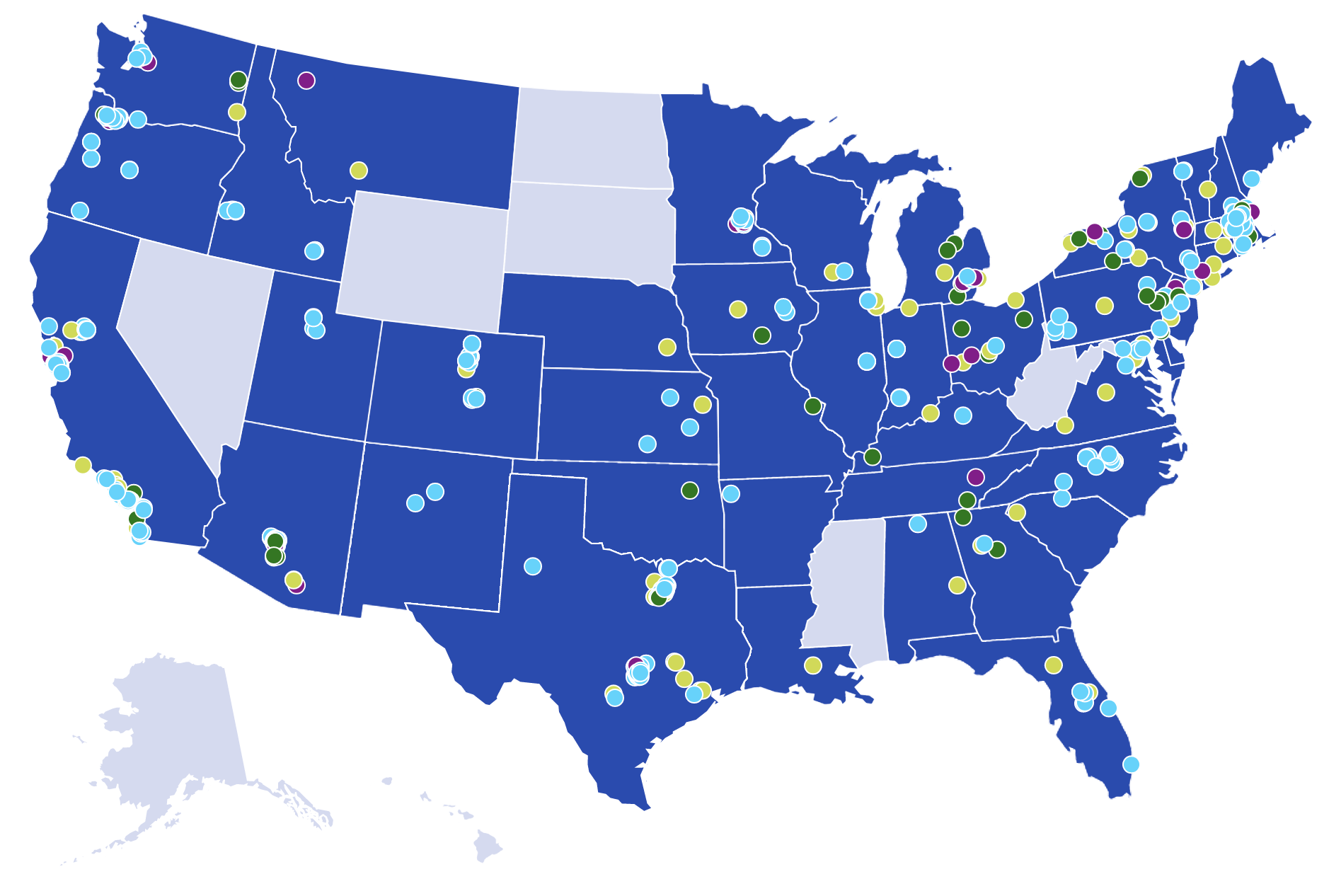
Semiconductor megaprojects are rushing to break ground before deadline pressures permanently eliminate massive federal tax credits. In particular, Section 48D of the Internal Revenue Code offers huge advanced manufacturing investment credits. As a result, tech companies across the country are scrambling to get a head start on complicated semiconductor projects before the end of 2026. This key provision of the CHIPS and Science Act officially provides a 35 percent credit rate. However, unless the U.S. Congress extends the current cutoff, billions in incentives will vanish. So, companies need to be proactive in their 2026 plan from now on.
The taxpayers and the big tech giants need to quickly demonstrate that the physical construction has officially begun. In the end, this domestic industrial base will create high-tech jobs for another 100 years. These projects are boosting data center such as ‘Project Hercules’ which is scheduled for the end of the year. This is a massive $3 billion digital infrastructure project for Appomattox County, VA. In particular, AVAIO Digital Partners acquired a key industrial park site of over 400 acres. This huge megaproject will therefore significantly boost the overall tax base of the region right away. The company is currently in possession of fully approved zoning and required local performance agreements. Other non-related AI industries such as Anduril’s shipyard project are also making headway, showing that the US industrial growth is not solely focused on AI.
Scope of Implementation on the US Semiconductor Megaprojects
Re-establishing the American semiconductor supply chain is a very complicated financial and logistical operation. In the coming years, manufacturers will need to demonstrate their project timelines. They can then use the Physical Work Test to confirm major development on site. To be successful, workers need to actually pour concrete or build foundations. Developers can also take advantage of the 5 Percent Safe Harbor to claim their credits. This enables the developers to pay 5% of the huge project cost in advance. But just doing environmental surveys or signing preliminary contracts is still not enough. In addition, crews need to continue construction activities throughout the 2036 continuity safe harbor.
Contiguous Land Integration and Split Ownership.
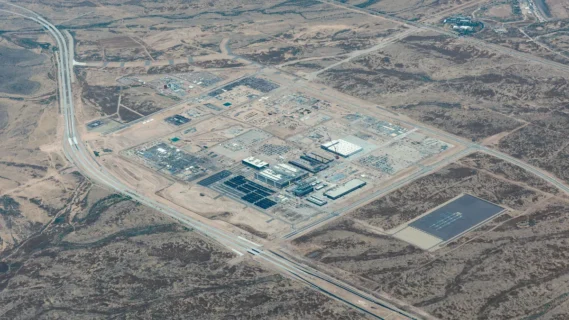
These large construction phase credits also stimulate complex corporate land deals in the local area. The intention of Section 48D is to include qualified property located on entirely separate contiguous parcels of land. A special nitrogen air separation unit, for instance, is easily qualified if constructed adjacent. Contiguous status will not be legally affected by local roads, railroads or streams that separate the property. This particular rule is one of several very flexible federal interpretations today. For example, split ownership models are still very much alive and federally supported developments. As a result, one taxpayer may own equipment that is directly used in another corporation’s manufacturing plant. In the end, these coordinated federal investments help America’s busiest technology corridors grow and prosper.
Project Overview
- Project Value: Billions (Eligible for 35% Section 48D tax credits)
- Location: Nationwide (United States)
- Developer: Semiconductor Manufacturers & Associated Taxpayers
- Status: Rushing to initiate construction before December 2026
Scope
- Nationwide semiconductor and manufacturing equipment facilities
- Adjacent contiguous property developments (e.g., air separation units)
- Integration of split ownership infrastructure models
- Multi-year continuous construction stretching up to 2036
Project Highlights
- Provides a massive 35% credit rate for qualified property
- US semiconductor megaprojects are rushing to break ground before deadline
- Eliminates the need to fully complete projects by 2026
- Permits split ownership across adjoining, contiguous tax parcels
Key Developments
- The U.S. Treasury issued finalized Section 48D regulatory guidance
- Taxpayers must meet either the Physical Work Test or 5% Safe Harbor
- The CHIPS and Science Act incentivized massive domestic semiconductor manufacturing
- Final rules recognize separate taxpayers can own contiguous integral infrastructure
Key Challenges
- Failing to prove significant physical work before the 2026 cutoff
- Managing rising costs that threaten the 5 Percent Safe Harbor thresholds
- Maintaining continuous, decade-long construction efforts to satisfy safe harbors
- Disqualifying preliminary activities like surveys and permitting under the test
Outlook
- Developers must officially break ground before December 2026
- The 10-year continuity safe harbor protects projects finishing by 2036
- Contiguous, adjoining infrastructure will increasingly utilize split ownership
- Congress may eventually consider extending the tight credit deadlines


Leave a Reply