
Turkey’s proposed nuclear power plants in Sinop (Black Sea region) and Thrace (northwestern Turkey), continue to progress development as of 2026. The new nuclear projects are moving from policy proposals stages toward international negotiations, although no final investment decisions or construction starts have yet been confirmed.
Recent energy ministry updates indicate that Ankara is actively engaging multiple partners, including South Korea, Canada, China, Russia, and previously the United States, in discussions to determine reactor technology, financing models and localization commitments.
The Sinop project is currently the more advanced of the two, with site studies and intergovernmental talks ongoing. Thrace plant is all the while increasingly positioned as a parallel flagship expansion aimed at balancing regional energy demand and export potential toward Europe.
Together, these projects are central to Turkey’s long-term ambition of reaching 20 GW of nuclear capacity by 2050. They will also complement the rapidly advancing Akkuyu nuclear power plant expected to supply about 10% of Turkey’s energy needs once fully operational.
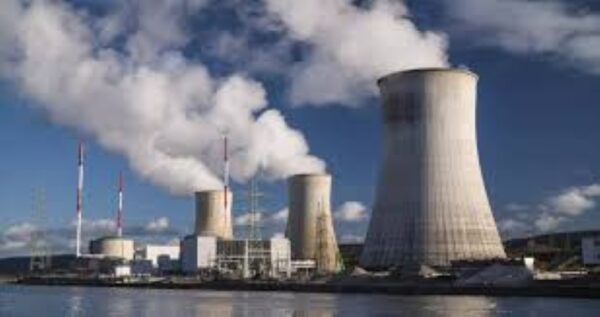
Fact Sheet for Sinop and Thrace Nuclear Power Plants in Turkey
Project Type: Large-scale nuclear power generation
Planned Capacity: 9,000-10,000 MW
Proposed Reactor Configuration: 4 reactors per site
Technology Candidates: VVER (Russia), APR (South Korea), Hualong One (China), and Western designs (US/Canada/EU consortia under review)
Project Status (2026):
- Pre-FID
- Active government-to-government negotiations
- Site studies and feasibility refinement ongoing
Developers (proposed structure): Turkish state energy entities in partnership with selected foreign strategic investors
Regulatory Body: Nuclear Regulatory Authority of Turkey (NDK)
Strategic Objective: Energy security, import substitution, industrial localization and export-oriented electricity production
Long-term Target: 20 GW nuclear capacity by 2050
Development Timeline for Sinop and Thrace Nuclear Power Plants in Turkey
2010-2018: Early conceptual planning and site identification for Sinop
2021: Turkey confirms intent to pursue multiple nuclear sites beyond Akkuyu
2023: Sinop and Thrace formally recognized as second and third planned nuclear projects
2024: Expanded international engagement with Japan, Russia, South Korea, and China
2025: Shift toward competitive multi-country bidding framework
2026: Active negotiations with South Korea, Canada, China, Russia; no FID yet
2027-2028: Potential selection of preferred consortium (subject to agreement)
Early-Mid 2030s: Possible start of construction if agreements are finalized
Post 2035: Earliest projected commissioning window (optimistic scenario)
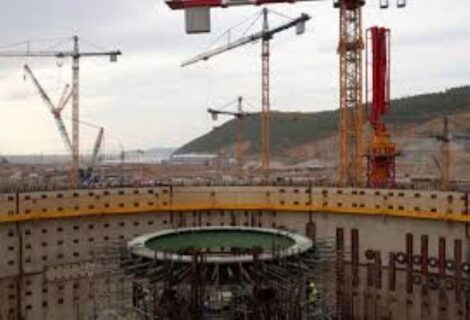
Sinop and Thrace Nuclear Power Plants Under Consideration for Construction
Reported June 28, 2023 – Turkey is considering construction of two new nuclear plants at Sinop and Thrace. Turkey is also currently making contacts with China with regard for the construction of the power plants in the country.
This was made clear and pointed out by a top official. The Russian company Rosatom is currently in charge of the construction works at the first nuclear power plant, the Akkuyu NPP which is located in the southern Mersin province.
Also read: Construction proceeds at Turkey’s first nuclear plant
Goals of the New Turkey Nuclear Power Plants
Turkey plans to generate slightly over 11% of its electric energy through the nuclear energy projects. The new power plants are set to help reach this goal by the year 2035 and further increase it to 29% by the year 2053.
Climate goals are also central to these ambitions. This was also pointed out by Salih Sari, the one in charge of nuclear infrastructure at the Ministry of Energy. He also added that they had plans by pressing ahead site surveys for the fourth site as the country needs 20GW of the nuclear power generation capacity by the year 2053.
The country is also set to be exploring a small modular reactor (SMR) technology with companies in the UK, France and the United States. This is with aim to advance knowledge on nuclear energy from these states that have a good grasp about it.
When all the nuclear projects in Turkey are complete, the country will be set to produce carbon free energy around the clock for its countrymen. The power plants will also help achieve climate goals.



Leave a Reply