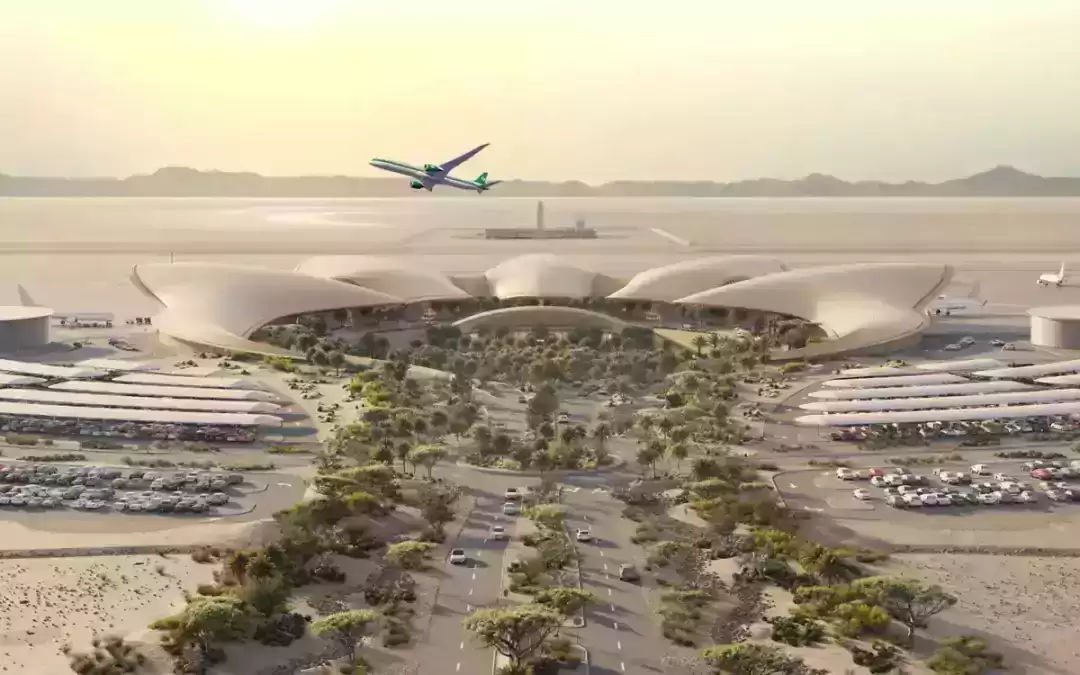
The AlWajh International Airport by Red Sea Global has reopened at 500,000-passenger capacity in Saudi Arabia. The Red Sea and AMAALA completed the modernization of the airport located northwest of Saudi Arabia. It is once again receiving flights, with three weekly connections from Riyadh and two from Jeddah operated by Saudia. Moreover, international flights are expected to commence soon.
The completion is a monumental feat as it marks Red Sea Global’s first infrastructure project delivery under its expanded mandate beyond destination development. It also demonstrates the company’s growing role in supporting regional connectivity, public service, and national economic development.
“This project is about far more than an airport terminal. It’s about creating a gateway that connects people, supports economic growth, and opens new opportunities for communities across the region,” said John Pagano, Group CEO of Red Sea Global. He also noted that the people of Tabuk have an international-ready airport that increases connectivity to the rest of the kingdom and beyond. Another major project advancing in Saudi Arabia is the $5bn+ Mecca airport project expected to transform pilgrim access in the KIngdom.
The Mecca airport project is gaining momentum as Saudi Arabia advances plans to build a dedicated aviation hub serving pilgrims. The Kingdom aims to improve direct access to Islam’s holiest city. Moreover, authorities seek to ease congestion at existing airports. Consequently, the project supports Vision 2030 goals to expand tourism and modernize infrastructure.
Outlook on the AlWajh International Airport in Saudi Arabia
The updated AlWajh International Airport in Saudi Arabia can accommodate most commercial aircraft. These includes the Airbus A320 and Boeing B737 families. It also entails seaplanes, opening opportunities for increased air traffic and new routes. It can also handle up to 500,000 passengers annually, up from 100,000 previously. The modernized airport can accommodate a peak capacity of 330 arriving/departing passengers per hour across four gates.
This enhanced connectivity will support local demand, tourism growth, business activity, and employment opportunities across the wider Tabuk region. Abdulaziz Al-Abdan, Executive Director of Aviation and Airport Operations at Red Sea Global, said: “The airport has been upgraded to accommodate larger aircraft and significantly higher passenger volumes, creating the capacity needed to support future growth. We are already working with airline partners and regulatory authorities to develop the route network in the future, in line with growth in demand.”
The facility will also serve as a gateway to AMAALA, the luxury wellness destination set to welcome its first guests in the coming months. The design of the renovated airport draws inspiration from the local architecture of the historic town of AlWajh and the wider Tabuk coastline. This creates a landmark that reflects and also celebrates the region’s authentic character.
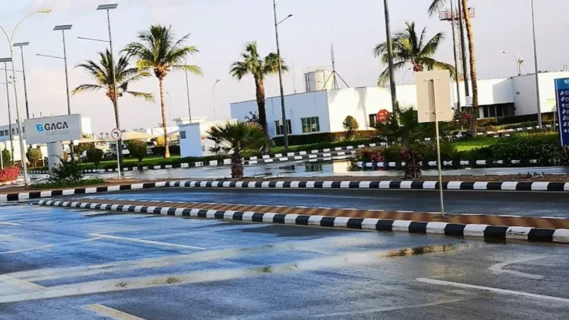
Project Factsheet:
- Project Name: AlWajh International Airport Modernization Project
- Location: AlWajh, Tabuk Region, Saudi Arabia
- Estimated Investment Value: Undisclosed
- Project Type: Airport Modernization and Expansion
Timeline
- Modernization works completed in 2026
- Airport officially reopened to commercial traffic
- Domestic flight operations currently active
- International flight services expected to commence soon
Site & Scale
- Annual passenger capacity increased to 500,000 passengers
- Previous annual capacity: 100,000 passengers
- Peak handling capacity: 330 passengers per hour
- Four-gate terminal capable of accommodating larger commercial aircraft
Key Contractors/Stakeholders
- Project Developer: Red Sea Global
- Destination Partner: AMAALA
- Airline Operator: Saudia
- Project Leadership: John Pagano
Infrastructure Scope
- Comprehensive airport terminal modernization and expansion
- Upgraded facilities to accommodate Airbus A320 and Boeing 737 aircraft
- Infrastructure capable of supporting seaplane operations
- Enhanced passenger processing, gate facilities, and operational capacity
Strategic Objectives
- Improve regional and international connectivity
- Support tourism growth across the Red Sea and AMAALA destinations
- Promote economic development and job creation in the Tabuk region
- Strengthen Saudi Arabia’s transportation and tourism infrastructure
Current Status
- Airport modernization completed and operational
- Domestic flights from Riyadh and Jeddah currently in service
- Route development discussions ongoing with airline partners




Leave a Reply