Australia’s Beetaloo Basin project has reached a milestone that could reshape the Northern Territory’s energy industry and potentially Australia’s broader gas and shale landscape. Following the commencement of first gas production, attention is increasingly shifting from proving the basin’s resource potential to establishing whether it can support a sustained, commercially viable shale gas industry.
The Beetaloo Basin, located in the Northern Territory, is among Australia’s most closely watched unconventional gas development regions. Its potential has attracted significant investment from gas exploration and development companies,. This is alongside growing interest in the infrastructure required to unlock its resources.
However, first gas alone does not establish a commercially scalable industry. The next phase will depend on whether operators can consistently produce gas at competitive costs and expand its drilling operations. It would also need to secure long-term gas markets and develop the infrastructure needed to transport volumes beyond the basin.
The question facing Beetaloo is therefore no longer simply whether it can produce gas, but whether its first production milestone can trigger an entirely new development cycle.
First gas marks a turning point for Beetaloo
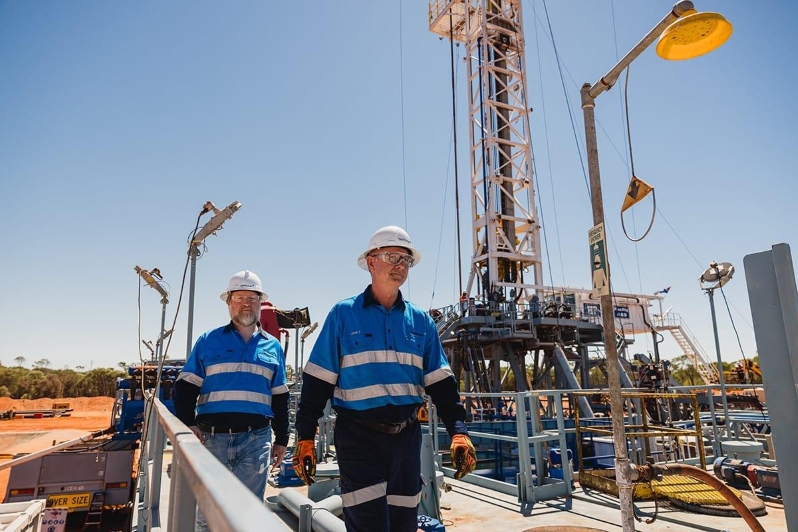
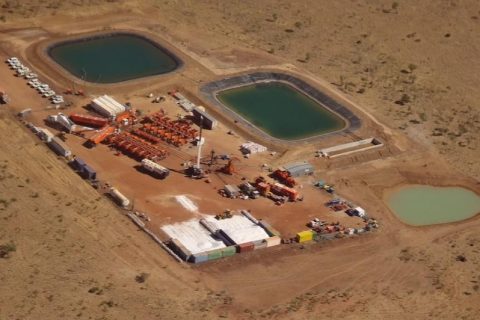
On September 1, 2026, Tamboran Resources and joint venture partner Daly Waters Energy commissioned first gas from the Shenandoah South Pilot Project (SS2) in the Beetaloo Basin. The milestone marked the basin’s transition from more than a decade of exploration and appraisal towards producing gas for the Northern Territory market.
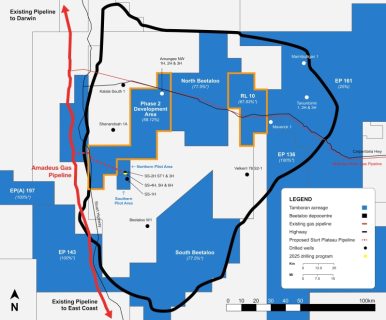
Initial gas supply is being delivered through the newly completed Sturt Plateau Pipeline. The pipeline connects the Shenandoah South development to the existing Amadeus Gas Pipeline network. The commissioning of the Sturt Plateau Compression Facility is also supporting gas transmission into the Territory’s network. Initial supply is also intended to ramp towards 40 terajoules per day under the long-term agreement with the Northern Territory Government.
The Sturt Plateau Pipeline, developed by APA Group, is a 37-kilometre gas transmission link connecting gas development infrastructure in the southern Beetaloo Basin to the existing Amadeus Gas Pipeline. The pipeline has already demonstrated the importance of supporting infrastructure in translating unconventional gas resources into usable supply.
The milestone is also significant for the basin. This is because it provides an operational demonstration of the infrastructure and supply chain needed to bring gas from Beetaloo’s shale formations into the market. However, the existing infrastructure serves an initial production program. Larger-scale development will also require additional drilling, gas processing capacity, compression and transmission infrastructure.
The Northern Territory government also estimates that more than $1 billion has already been invested in the basin by Tamboran Resources, Santos, Beetaloo Energy and their partners. This goes to illustrate the scale of capital committed to advancing the resource.
Scaling production at Beetaloo Basin gas and shale project will be the next challenge
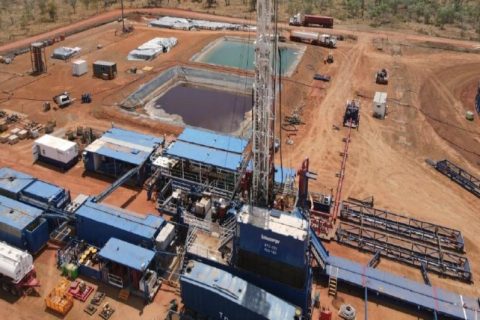
The next phase of Beetaloo’s development will depend on whether the results achieved through pilot production can be replicated across a larger number of wells and development areas. Shale gas production typically requires sustained drilling programs and hydraulic fracturing. It also requires gathering systems, processing facilities and ongoing investment to maintain output.
The basin’s geological potential has also attracted several companies pursuing different development pathways. Tamboran Resources and Daly Waters Energy are also advancing the Shenandoah South pilot. This is while Beetaloo Energy Australia is progressing its Carpentaria project. Santos has also been advancing drilling activity in the basin, with INPEX involved in exploration and appraisal.
Furthermore, Beetaloo Energy Australia is targeting first gas sales from its Carpentaria pilot project, while Santos is progressing production wells. These developments could also help establish a broader production base beyond the initial Shenandoah South supply.
Additionally, the basin’s resource potential is substantial. This is despite estimates varying depending on whether they refer to prospective resources, contingent resources or other categories. The Northern Territory government currently reports approximately 7.1 trillion cubic feet (Tcf) of publicly reported gross contingent resources (2C) in the Beetaloo Sub-basin,. This is alongside approximately 430 Tcf of prospective gas resources.
Note: These figures are not equivalent. Prospective resources represent estimated potential recoverable quantities that have not yet been demonstrated to be commercially recoverable. Contingent resources, on the other hand, have a more defined discovery and development basis.
The challenge for developers will also be to translate these geological estimates into production volumes that can be delivered economically over the life of the development. This will require continued drilling and flow testing. It will also require better understanding of reservoir performance, cost control and the development of repeatable well and production designs.
Beetaloo gas infrastructure could unlock wider Australian markets
Infrastructure is likely to be one of the biggest determinants of Beetaloo’s long-term commercial success.
While the Sturt Plateau Pipeline provides an initial connection to the Northern Territory market, the basin’s potential to supply larger domestic markets and LNG export facilities will depend on the development of additional gas transmission links.
One of the most significant proposals is the North to East Australia Pipeline (NEAP). NEAP is being advanced by APA Group. The 1,561-kilometer pipeline would connect gas resources in the Beetaloo Sub-basin to Queensland’s gas network. This will ultimately link the basin with the East Coast Gas Grid and existing LNG export facilities in Gladstone.
The pipeline is also being advanced through a staged approvals process. Stage 1 involves a proposed 622-kilometer pipeline extending from the Beetaloo gas fields to the Northern Territory-Queensland border near Camooweal. Stage 2, in Queensland, would cover approximately 899 kilometers to the South West Queensland Pipeline, around 90 kilometers east of Ballera.
North to East Australia Pipeline 2028 FID
The Queensland section has also been declared a Coordinated Project, with environmental assessment processes underway. APA has also indicated that the broader NEAP could potentially reach a final investment decision from 2028. This is with construction potentially starting as early as late 2029, subject to approvals, financial assessment and continued resource development.
The proposed pipeline is also expected to require billions of dollars in investment. The Queensland section alone is estimated to involve approximately A$2.75 billion to A$3 billion in capital expenditure. It could also support a peak construction workforce of around 800 workers.
If delivered, the NEAP would provide a critical market-access route for Beetaloo producers. This would allow gas to reach eastern Australian consumers and businesses. It could also open access to potential LNG export facilities through existing infrastructure – and join projects such as the Valhalla gas project in fostering Australia LNG exports. It could also help support gas-fired generation capacity as Australia’s electricity system transitions away from coal.
Territory Energy Link and the Darwin connection
The Northern Territory government is also advancing the Territory Energy Link, a proposed 670-kilometre multi-user infrastructure corridor connecting the Beetaloo region to Darwin. The corridor is intended to accommodate future gas, water, fiber and other infrastructure. Currently, feasibility studies, engineering, environmental and cultural investigations and stakeholder engagement are underway.
Rather than directly constructing the individual pipelines or utilities, the government is planning and securing the shared corridor to support future private infrastructure development. This could reduce duplication. It could also provide greater certainty for developments seeking to connect Beetaloo Basin gas project with Darwin and regional industrial markets.
The proposed Beetaloo-to-Darwin pipeline infrastructure could also provide another route for gas supply into the Darwin LNG export market. However, the timing, capacity and commercial arrangements of any future pipeline development remain uncertain.
In parallel, Jemena is advancing plans for a proposed 400-kilometre pipeline lateral connecting the Beetaloo Basin to the Northern Gas Pipeline. The proposed connection would provide another potential pathway for Northern Territory gas to reach east-coast markets through existing infrastructure.
The emergence of multiple pipeline proposals is a glaring reflection of the growing focus on market access as production begins. Whether all these projects proceed will depend on demand, capacity requirements, financing, regulatory approvals and the ability of gas producers to commit sufficient volumes to support pipeline investment.
Can Beetaloo replicate the US shale gas model?
The Beetaloo Basin is often compared with North American shale gas developments because of its unconventional geology and the technologies being used to develop it. Horizontal drilling and hydraulic fracturing have been central to the basin’s appraisal and pilot-production programs.
However, Australia’s operating environment differs from that of established US shale regions. Beetaloo’s remote location, limited existing infrastructure, labor and logistics requirements, and environmental conditions could affect development costs and the speed at which operators scale production.
The basin’s development will also depend on regulatory frameworks, environmental management, water use, land access and ongoing engagement with Traditional Owners and local communities.
Developers will also need to demonstrate that pilot results can translate into commercially competitive production. This is while maintaining environmental safeguards and gaining the necessary approvals for larger-scale operations.
Consequently, the Beetaloo’s next phase will not simply be a drilling race. It will be a test of whether Australia can develop the technical, commercial, infrastructure and regulatory conditions needed to support a sustained unconventional gas industry.
What next for Beetaloo Basin?
The Beetaloo Basin gas and shale project has moved beyond the exploration-only stage. First gas from Shenandoah South demonstrated that the resource can be brought into the Northern Territory’s gas network. The next challenge will be establishing whether the initial production milestone can underpin a larger, sustained commercial development.
In the near term, the focus will be on ramping up Shenandoah South supply and advancing Beetaloo Energy Australia’s Carpentaria pilot, The focus will also be on progressing additional drilling program and expanding the infrastructure needed to accommodate future production. The proposed North to East Australia Pipeline, Territory Energy Link and other pipeline connections could also become important components of this next phase. However, their delivery remains subject to approvals, investment decisions and commercial commitments.
If production expands and transmission infrastructure is delivered, Beetaloo could also become a more significant contributor to Australia’s domestic gas supply and potentially support access to existing LNG export infrastructure.
For the construction industry, the basin’s potential extends well beyond drilling. It could create opportunities across gas processing, transmission pipelines, compression stations and access roads, among others.
The real test for Beetaloo now is whether first gas becomes the foundation for a much larger infrastructure and industrial development cycle.
Beetaloo Basin Gas and Shale Project: Fact sheet
Location: Northern Territory, Australia
Resource type: Unconventional shale gas
Key geological targets: Velkerri and Kyalla formations
First gas milestone: September 1, 2026
First producing pilot: Shenandoah South (SS2)
Key pilot partners: Tamboran Resources and Daly Waters Energy
Initial gas supply: Targeting 40 TJ/day under the Northern Territory Government agreement
Key initial infrastructure: Sturt Plateau Pipeline and Sturt Plateau Compression Facility
Reported contingent resources: Approximately 7.1 Tcf (gross 2C)
Reported prospective resources: Approximately 430 Tcf
Other key developers: Beetaloo Energy Australia, Santos and INPEX
Major proposed infrastructure: North to East Australia Pipeline, Territory Energy Link and proposed Beetaloo pipeline connections
Project status: Pilot production commenced. Broader commercial development and infrastructure expansion also progressing
Key points
-
The Beetaloo Basin has commenced gas production, marking a major transition from exploration and appraisal.
-
Shenandoah South is delivering initial gas through the Sturt Plateau Pipeline into the Northern Territory network.
-
Production expansion will depend on successful drilling, well performance, cost competitiveness and processing infrastructure.
-
The North to East Australia Pipeline could connect Beetaloo Basin gas project to the east-coast domestic market and existing LNG export facilities.
-
Territory Energy Link is being planned as a multi-user infrastructure corridor connecting Beetaloo with Darwin.
-
Multiple pipeline proposals could provide market access. However, their commercial viability depends on production volumes, demand and investment.
-
The basin could also generate substantial construction opportunities if production and transmission infrastructure scale up.
Who is involved the Beetaloo Basin gas and shale project?
-
Tamboran Resources – Beetaloo Basin gas and shale project developer. Also Shenandoah South pilot operator.
-
Daly Waters Energy – Joint venture partner in Shenandoah South
-
Beetaloo Energy Australia – Developer of the Carpentaria pilot project
-
Santos – Gas exploration and development activities
-
INPEX – Exploration and appraisal activity
-
APA Group – Sturt Plateau Pipeline, North to East Australia Pipeline and Territory infrastructure development
-
Jemena – Proposed Beetaloo Basin gas connection to the Northern Gas Pipeline project
-
Northern Territory Government – Regional infrastructure planning and energy development support



Leave a Reply