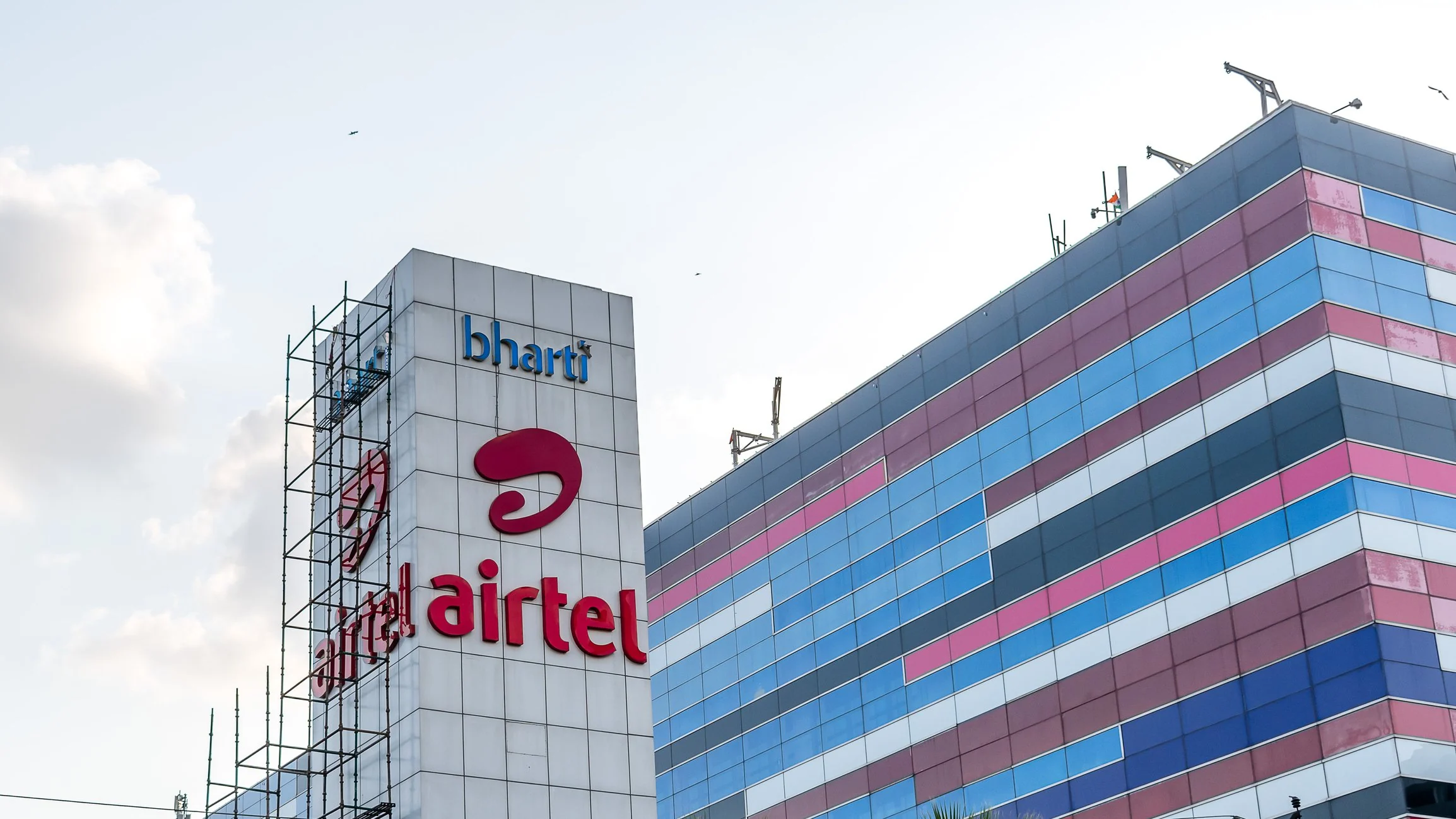
Bharti Airtel plans to invest $129.7 million in three data centres across Assam, India’s northeastern state. The facilities will deliver a combined capacity of 40 MW in Guwahati, Jorhat and Silchar. The investment will expand Airtel’s data centre footprint beyond India’s established technology markets. The company aims to complete all three facilities by 2028.
The investment adds to India’s growing pipeline of large-scale digital infrastructure projects. It follows major commitments such as Google’s $6 billion investment to build a one-gigawatt data centre in India. These developments highlight rising demand for data storage, cloud computing and AI infrastructure. Airtel will also use the Assam programme to advance its wider expansion strategy through Nxtra, its data centre business.
Bharti Airtel announced the investment after signing a memorandum of understanding (MoU) with the Government of Assam on November 25, 2026. The agreement covers two new facilities in Jorhat and Silchar. These projects will complement the Guwahati data centre, where construction has already started.
Bharti Enterprises Vice Chairman Rajan Bharti Mittal said the state government had made land available for all three facilities. He added that the company intends to deliver the projects as quickly as possible. The programme aims to create employment opportunities and strengthen digital infrastructure across Northeast India.
Bharti Airtel data centres to serve three Assam locations
Airtel is developing its first facility at the IT Park in Bongora, Kamrup district, near Guwahati. The data centre will provide 15 MW of capacity. Airtel announced the project in March 2026 and has since started construction. Assam Chief Minister Himanta Biswa Sarma expects the facility to reach completion by March 2028.
The company plans to build its second facility in Jorhat, an important economic and educational centre in Upper Assam. The project will occupy approximately four acres and provide 10 MW of capacity. Airtel has proposed a Phase 1 investment of ₹200 crore, equivalent to approximately $21.6 million.
Airtel will develop the third facility in Silchar, the principal commercial centre of the Barak Valley in southern Assam. The site covers approximately five acres and will accommodate a 15 MW data centre. The proposed Phase 1 investment stands at ₹255 crore, or approximately $27.6 million.
Together, the Jorhat and Silchar facilities will add 25 MW to Airtel’s planned Assam capacity. The two projects could create around 164 direct jobs. Their construction and operation will also generate opportunities for engineers, security personnel, maintenance workers and other service providers.
Nxtra expansion supports Airtel’s wider digital infrastructure strategy
Bharti Airtel runs its data centre business through Nxtra Data Limited, which operates under the Nxtra by Airtel brand. The subsidiary provides colocation, cloud infrastructure, managed hosting, data backup, disaster recovery and edge computing services. Its customers include enterprises, hyperscalers and government organisations.
According to Airtel, Nxtra operates 14 large core data centres and more than 120 edge facilities across India. The company continues to expand this network to meet rising demand for cloud services, artificial intelligence and enterprise computing.
In March 2026, Airtel announced a $1 billion investment in Nxtra involving Alpha Wave Global, Carlyle and Anchorage Capital. Airtel also participates in the investment. The funding will accelerate Nxtra’s expansion and strengthen its position in India’s data centre market. Airtel said it would retain a controlling stake in Nxtra following the transaction, which remains subject to regulatory approvals.
The Assam projects form part of this wider expansion strategy. However, Airtel has not disclosed how much of its national investment programme it will allocate specifically to the three Assam facilities. The company has also not identified the facilities’ customers, server deployments or dedicated AI workloads.
The three locations will extend digital infrastructure into different parts of Assam. Guwahati connects the network to the state’s main commercial centre, while Jorhat and Silchar will serve Upper Assam and the Barak Valley. This geographic distribution could bring data storage and digital services closer to regional customers.
Construction requirements, employment and delivery milestones
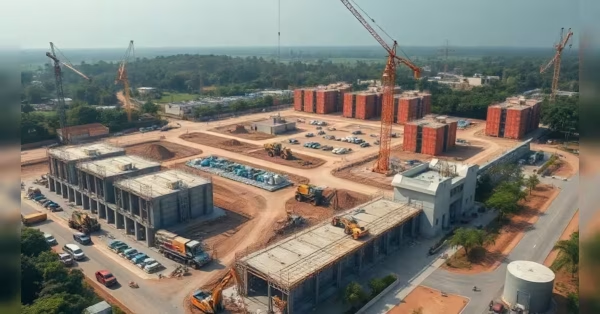
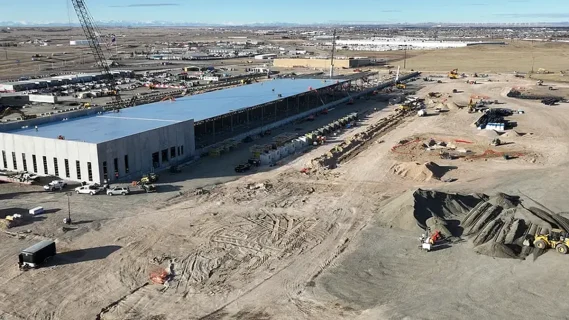
Airtel will need substantial civil, electrical, mechanical and digital infrastructure to complete the three facilities. Contractors will typically handle site preparation, foundations, structural works, equipment halls, secure access systems and supporting utilities during data centre construction.
Reliable electricity will play a central role in the projects. Each facility will need grid connections, substations, transformers, switchgear, uninterruptible power supply systems and backup generators. The developer will also need cooling systems to maintain suitable operating conditions for servers and other IT equipment. Other essential infrastructure will include fibre-optic connectivity, fire detection and suppression, physical security, monitoring systems and building management controls.
Airtel and the Assam government have not identified the main construction contractors, engineering consultants or equipment suppliers. They have also not published detailed technical specifications. Important outstanding details include cooling designs, redundancy ratings, power usage effectiveness targets and water requirements. These specifications will help determine construction costs, operational efficiency and long-term sustainability.
The Jorhat and Silchar facilities could create approximately 164 direct jobs. Their construction and operations may also support indirect employment in engineering, security, maintenance and related services. Airtel and the state government have not announced a separate employment target for the Guwahati facility.
The Assam government wants these developments to strengthen the state’s position as a digital gateway for Northeast India. Local data centre capacity could help businesses, government agencies and technology companies access reliable infrastructure closer to regional users. The projects could also attract further investment in digital services and technology-related industries.

Leave a Reply