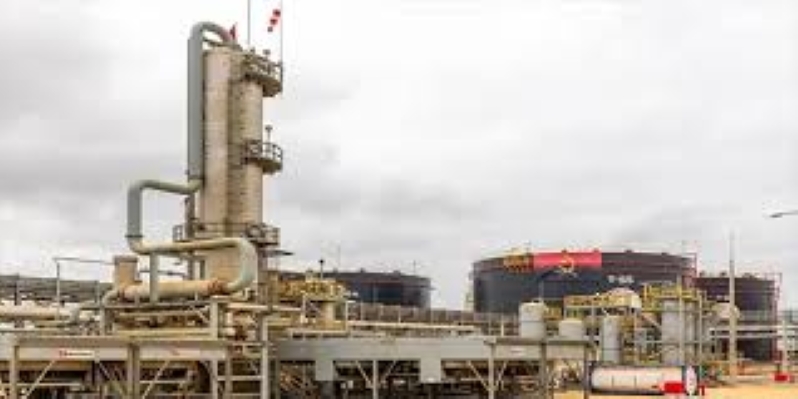
Angola has officially advanced its downstream ambitions with the commencement of fuel supply from the new Cabinda Oil Refinery, marking a critical milestone in the country’s long-running effort to reduce dependence on imported refined petroleum products.
Located in Cabinda Province, the refinery has now moved into commercial operations after months of commissioning and testing, beginning domestic fuel deliveries as Angola seeks to improve energy security, stabilize fuel supply chains, and reduce subsidy pressures.
The project also comes at a time when several African producers are increasingly prioritizing domestic refining capacity to capture more value from crude exports and cushion against international product price volatility.
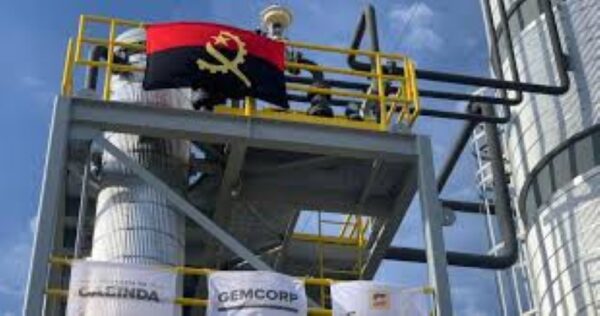
Cabinda Oil Refinery and Downstream Reform Agenda in Angola
Despite being one of Africa’s leading crude oil exporters, Angola has historically remained highly dependent on imported refined products, exposing the country to supply disruptions, foreign exchange pressures, and politically sensitive fuel subsidy burdens. The Cabinda Refinery is a central pillar in Angola’s downstream reform agenda, alongside larger planned facilities in Lobito and Soyo.
The refinery’s activation is also important for Angola as Luanda continues efforts to rationalize fuel subsidies while minimizing domestic market shocks. Local refining capacity is expected to improve supply resilience for diesel, gasoline, and aviation fuels while supporting industrial consumers and logistics operators.
Cabinda also serves as a test case for Angola’s hybrid public-private infrastructure model, pairing sovereign oil participation with private capital and project development expertise. If operational performance remains stable, the project could strengthen investor confidence ahead of future refinery phases and related midstream investments.
Project Cost
Cabinda Refinery Phase 1 was developed under an estimated investment of approximately US$500-550 million.
Project financing was structured as a public-private partnership between:
- Gemcorp Capital (holds a 90% stake)
- Sonangol (owns 10%)
Phase 2 expansion will require an additional investment estimated at around US$700 million. The expansion would increase capacity and diversify output.
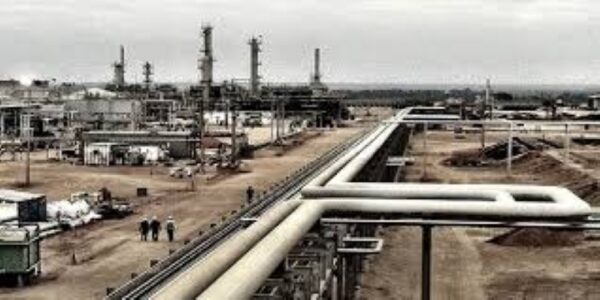
Project Overview
Developer: Gemcorp Capital
Feedstock Supplier: Sonangol
Project Type: Modular oil refinery
Phase 1 Capacity: 30,000 barrels per day
Planned Expanded Capacity: 60,000 barrels per day
Products Expected:
- Diesel
- Jet fuel
- Naphtha
- Heavy fuel oil
Estimated Capex (Phase 1): US$500-550 million
Estimated Phase 2 Investment: US$700 million
Outlook on Cabinda Oil Refinery in Angola
The successful startup of Cabinda improves Angola’s near-term fuel security but remains only a partial solution relative to domestic demand. Much of the country’s long-term refining strategy still depends on the execution of larger and more capital-intensive projects. This includes the Lobito Refinery. Nonetheless, Cabinda’s operationalization offers Angola an important proof point that smaller modular refining projects can be delivered within manageable capital envelopes.
If Phase 2 proceeds as planned, Cabinda could become a stronger regional supplier and reduce Angola’s refined product import bill further.


Leave a Reply