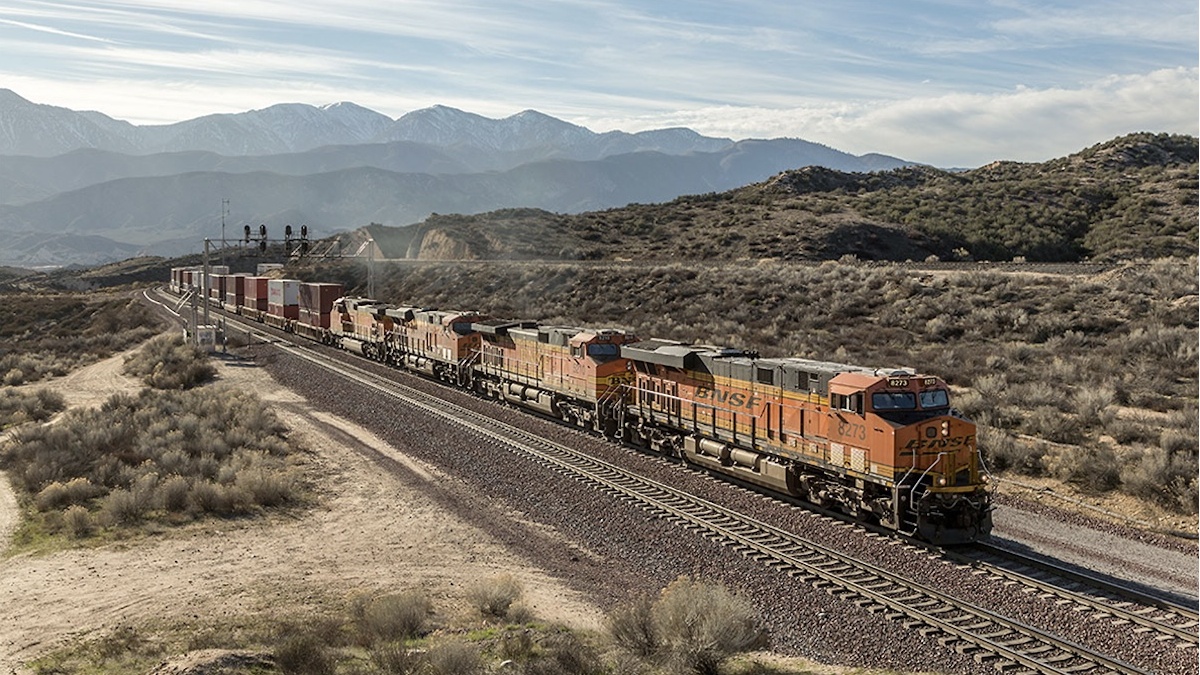
California rail intermodal project worth $4 billion moves forward after local approval in Southern California. The development strengthens freight capacity and reduces congestion at coastal ports across the state. Meanwhile, BNSF Railway advances planning after years of environmental review and stakeholder consultation. Additionally, the project targets faster cargo transfer between rail corridors and distribution networks. Local authorities approved the scheme following extensive assessment of economic and infrastructure impacts. Consequently, logistics operators expect improved supply chain reliability across western trade routes.
California rail intermodal approved amid logistics demand surge
California rail intermodal project now enters pre-construction phase after local approval confirmation. Furthermore, rising freight volumes across California drive demand for expanded intermodal capacity. The project will connect inland logistics hubs with major Pacific shipping corridors. However, planners must still finalize engineering designs and environmental mitigation measures. Additionally, stakeholders expect job creation during construction and long-term operations phases. Therefore, regional economies anticipate increased investment and improved freight efficiency.
Moreover, the approval reflects growing emphasis on resilient supply chain infrastructure. BNSF Railway positions the project as a key node in national freight modernization. In addition, intermodal facilities will streamline container transfers between rail and trucking networks. This reduces turnaround times and improves efficiency across distribution chains. Construction timelines will depend on permitting finalization and contractor mobilization schedules. Nevertheless, early works could begin following detailed engineering completion.
California rail intermodal project design focuses on inland port efficiency
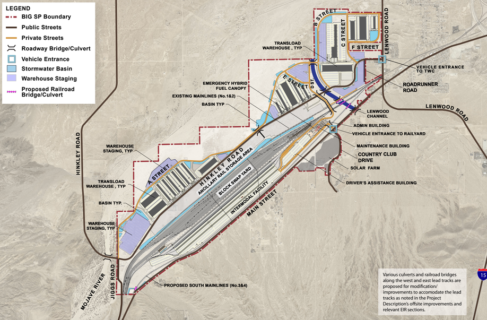
California rail intermodal project design emphasizes inland connectivity and throughput optimization. Engineers plan expanded rail yards and advanced cargo handling systems. Additionally, the layout supports seamless transfer between long-haul rail and trucks. However, environmental safeguards remain central to final design approvals. Moreover, water management and emissions controls will shape construction methods. Consequently, planners aim to reduce operational bottlenecks across the logistics corridor.
The project strengthens California’s role in transpacific trade networks. Additionally, it reduces reliance on congested port-adjacent rail terminals. Freight operators expect lower costs and improved delivery predictability. However, community groups continue monitoring environmental and traffic impacts. Therefore, ongoing engagement will shape final implementation stages. Ultimately, the project aligns with broader US infrastructure modernization goals.
California rail intermodal project aligns closely with the broader Southern California freight expansion strategy that includes the Barstow International Gateway rail complex project. Both developments strengthen inland rail logistics and reduce congestion at the Ports of Los Angeles and Long Beach while improving national supply chain efficiency. Additionally, they function as complementary nodes within BNSF’s integrated intermodal network across the Mojave Desert and inland California corridors.
Strategic logistics impact of California rail intermodal project
Additionally, analysts forecast significant regional economic spillovers from construction activity. The $4 billion investment supports engineering services, materials supply, and logistics contracting sectors. Moreover, state planners integrate the project into broader freight corridor upgrades. However, financing structures and phased approvals will determine final delivery pace. Consequently, developers prioritize risk management and stakeholder coordination throughout execution.
In addition, the project supports long-term decarbonization of freight transport. Rail modal shift reduces highway congestion and associated emissions. Furthermore, intermodal efficiency improves energy use per cargo unit moved. Nevertheless, construction disruption may temporarily affect local transport routes. Therefore, mitigation planning remains essential during buildout phases.
Furthermore, local governments expect improved freight competitiveness following completion. The project aligns with national efforts to modernize rail infrastructure capacity. Additionally, planners anticipate reduced port dwell times and improved cargo turnover. However, final operational efficiency depends on integrated scheduling systems. Consequently, digital logistics platforms will play a key coordination role. Meanwhile, workforce development programs may support construction labor demand.
Ultimately, the California rail intermodal project represents a major infrastructure milestone for regional freight systems. Moreover, it signals continued private sector investment in US rail logistics expansion. Additionally, stakeholders expect phased progress over multiple construction stages. However, regulatory compliance and community engagement will remain ongoing priorities. Therefore, the project is set to reshape inland freight distribution patterns across California.
In addition, construction sequencing will prioritize critical rail junction upgrades first. Furthermore, material sourcing strategies will focus on regional suppliers. Consequently, this approach reduces transportation delays and supply chain risks. Overall, the development reinforces long-term freight infrastructure resilience. Additionally, stakeholders continue refining timelines ahead of final construction mobilization.
Project Fact Sheet
Project Name: California Rail Intermodal Project
Estimated Value: $4 Billion
Location: Southern California, United States
Sector: Freight rail, intermodal logistics infrastructure
Developer: BNSF Railway
Project Type: Inland rail intermodal terminal and logistics hub expansion
Status: Approved for local development, pre-construction phase
Purpose: Reduce port congestion, improve freight throughput, and enhance inland logistics connectivity
Expected Impact: Job creation, reduced highway congestion, improved supply chain efficiency
Construction Timeline: Pending final engineering design and contractor mobilization
Project Team
Project Developer: BNSF Railway
Local Approving Authorities: Southern California county and municipal planning commissions
Regulatory Bodies: California environmental and transportation agencies
Engineering Consultants: To be appointed (civil, rail systems, and infrastructure design specialists)
Construction Contractors: To be confirmed through competitive tendering
Logistics Partners: Freight operators and intermodal distribution stakeholders
Environmental Advisors: Independent environmental impact assessment consultants
Community Stakeholders: Local municipalities and regional transport advocacy groups



Leave a Reply