The new CEO of the California high-speed rail authority is confronting a $126.3 billion project with a funding cliff ahead. Joe Stephenshaw, the state’s new Director of Finance, discussed his vision with KCRA on Nov. 15. His two stated priorities are accountability and transparency first. He also said financing could be the most important challenge for the project.
The clock is real. The high-speed rail auditor has warned the project could run out of cash by December 2027. So Stephenshaw’s first job is to guide the first construction phase of the project with the funds already available. That’s $1 billion a year from the state’s General Fund that he said he will strive to keep.
This is an important project for not only the state of California, but the country,” Stephenshaw said. “To be able to be a part of this and see it through and be successful, I’m really honored to have the opportunity.”
Other Projects
The Cascadia high speed rail project is estimated to cost $24 billion to $42 billion once the public comments are received. The Washington State Department of Transportation is seeking public feedback on a plan to link Vancouver, B.C., Seattle and Portland. WSDOT will review the concept until the end of 2028. The review focuses on the increasing travel demand in the Puget Sound region.
Scope of the California high-speed rail project challenge
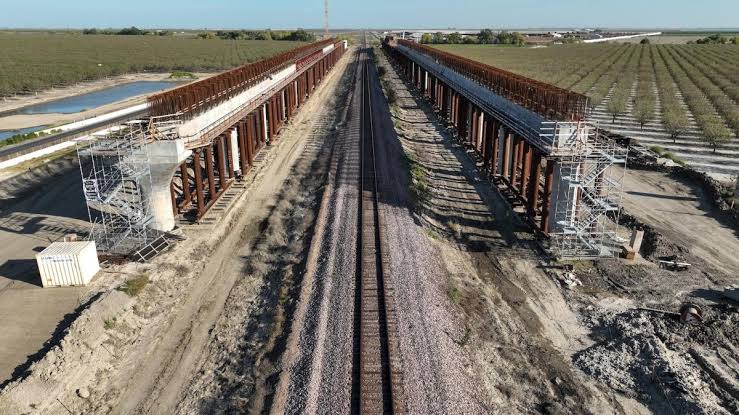
Stephenshaw was standing at the largest building to date on the project and recognised the work that has already been completed. But the price history is his inheritance. The 2008 ballot measure guaranteed voters a $33 billion system. The authority’s Draft 2026 Business Plan, however, now estimates Phase 1 at about $126.3 billion from San Francisco to Anaheim. In addition, a high-end, unoptimized scenario in the same plan came to $231.3 billion in today’s dollars. Later, the authority clarified that it was not that number.
The pitch is his resume. Stephenshaw was the Finance Director of a state organisation of a similar size to the authority and was responsible for the state budget. His legislative experience also included budget experience on both sides. Those two things together are really going to be helpful to bringing the skill set that the authority really needs right now in this role,” he said.
When Stephenshaw was called on by the auditor, he said discipline, not new money. Now we’re just working on the first stretch and we will be able to do that,” he said. It depends on how you’re managing the resources that you have, and we’re going to have to focus on that to make sure that we’re able to get the most critical and urgent things done within the resources that we have.
Outlook for the Bay Area to Los Angeles connection
Stephenshaw remains a supporter of the complete vision. “I believe that this project is realistic. And eventually, that means that there will be connection throughout the state,” he said. In addition to the General Fund baseline, the authority will consider other funding options with the incoming administration and the legislature.
In the meantime, the overall record sets the stakes. Since the project began in 2013, over $18 billion in public funds have been spent. Furthermore, there are no tracks laid and the earliest opening date is now 2033. Thus, the financing talks will determine the outcome of Stephenshaw. The December 2027 cash warning is either the defining moment of the project or another milestone that is managed.
Project Overview
- Project Value: $126.3 billion Phase 1 estimate
- Original 2008 Promise: $33 billion
- Location: San Francisco to Los Angeles, Anaheim
- Client: California High-Speed Rail Authority
- New CEO: Joe Stephenshaw, ex-Finance Director
Scope
- First construction stretch underway
- 500-mile Phase 1 system planned
- $1 billion annual General Fund
- Funding strategies in exploration
Project Highlights
- Largest structure completed to date
- Statewide connection remains the goal
- Budget discipline framed as priority
- Transparent process pledged first
Key Developments
- CEO role filled this month
- Auditor warns of December 2027 cash
- 2026 Business Plan re-estimated costs
- Federal grants previously withdrawn
Key Challenges
- Funding gap looms toward 2027
- Costs rose fourfold since 2008
- No tracks laid to date
- Federal support remains uncertain
Outlook
- First stretch build continues
- Funding talks start imminently
- Earliest opening stands at 2033
- Cash horizon hinges on management


Leave a Reply